The global demand for Dairy & Cocoa Products continues to grow due to their widespread application in food, beverage, confectionery, and cosmetic industries. From milk and butter to cocoa powder and chocolate bars, the value chain of dairy and cocoa offers a wide spectrum of business and industrial opportunities. Whether it’s catering to households with daily-use items or supplying to food manufacturers, the segment has proven resilient even during economic downturns. This guide explores the essential manufacturing processes, required machinery, regulations, and investment tips for anyone interested in the production of Dairy & Cocoa Products.
See Also: Wood & Rosin Processing
Contents
- 1. Manufacturing Process Overview
- 1.1. 1. Dairy Product Manufacturing
- 1.2. 2. Cocoa Product Manufacturing
- 1.3. 3. Combined Products: Chocolate & Dairy Desserts
- 1.4. Machinery & Equipment Required
- 1.5. Regulatory Compliance & Quality Control
- 1.6. Packaging & Storage
- 1.7. Market Demand & Export Potential
- 1.8. Investment & Profitability
- 1.9. Sustainable & Ethical Considerations
- 1.10. Final Thoughts
Manufacturing Process Overview
Understanding the manufacturing process of Dairy & Cocoa Products involves breaking down two major raw material lines — milk and cocoa beans. Each of these has its own set of handling, processing, and preservation methods, but they often intersect in products such as milk chocolates, flavored spreads, or dairy-based confectioneries.
1. Dairy Product Manufacturing
The dairy industry begins at the farm, where milk is collected, usually twice daily. This raw milk is perishable and must be refrigerated immediately. From the farm, it’s transported in insulated milk tankers to processing facilities. Here, the milk goes through several steps:
Clarification & Filtration: Removal of dust, dirt, and physical impurities.
Standardization: Adjusting fat content depending on product needs (skimmed, toned, or full-cream).
Pasteurization: Heating milk to 72°C for 15 seconds to kill pathogens.
Homogenization: Breaking down fat molecules for a uniform texture.
Fermentation (if needed): For yogurt, curd, and other cultured products.
Packaging: Using food-grade sterilized containers or cartons.
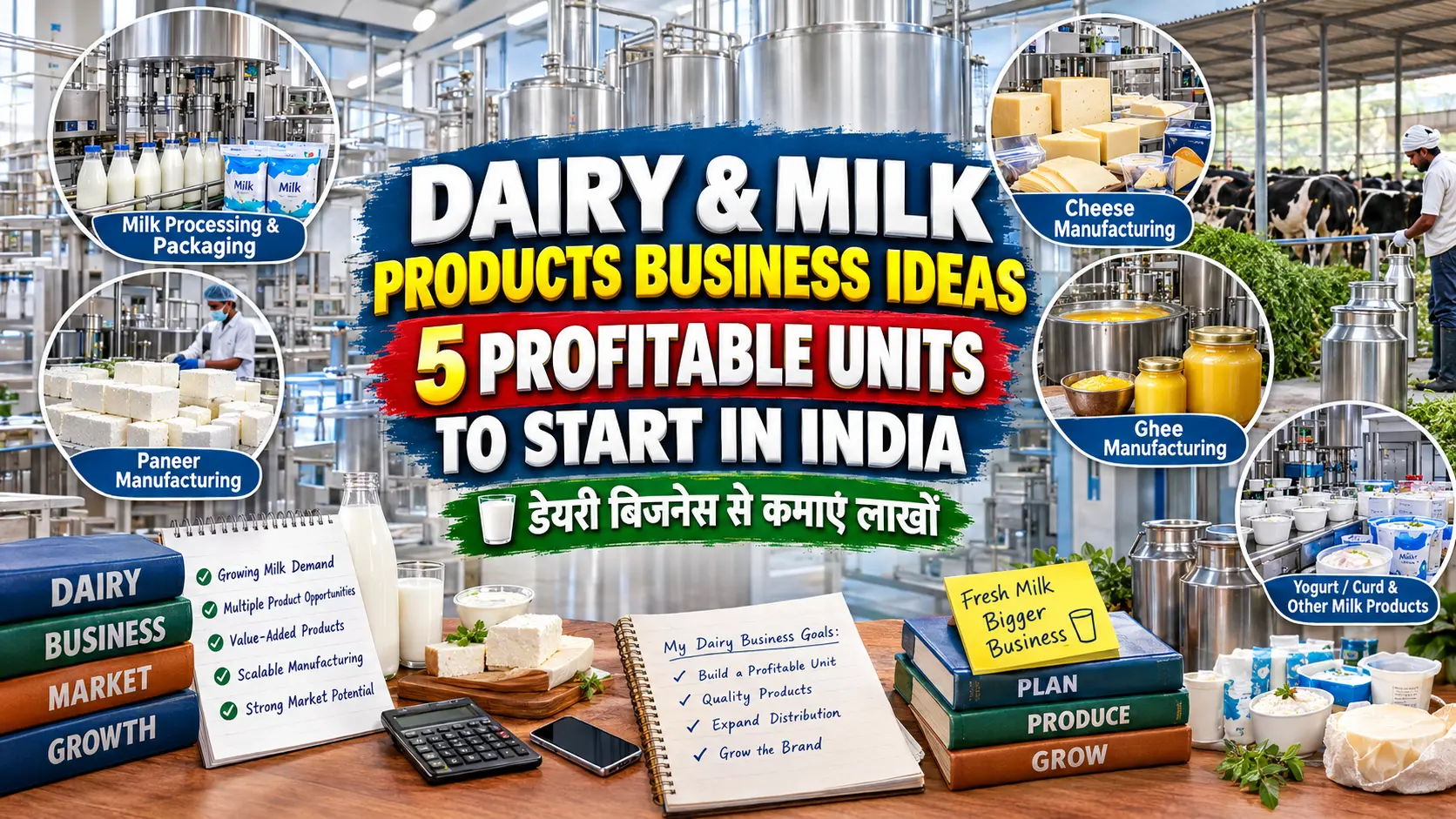
The variety in dairy output is enormous. Products include paneer, ghee, cheese, butter, condensed milk, and milk powder. Each of these follows specific processing stages — for example, ghee is clarified butter made by simmering butter to remove milk solids and water.
2. Cocoa Product Manufacturing
Cocoa, on the other hand, originates from the cacao tree. The manufacturing journey of cocoa-based products typically includes the following stages:
Harvesting: Cocoa pods are harvested manually.
Fermentation: Beans are fermented in wooden boxes or banana leaves for 5–7 days to develop flavor.
Drying: Sun-drying helps reduce moisture to 6-7%.
Roasting: Roasted at 120–140°C to bring out aroma and flavor.
Cracking & Winnowing: Removing the shell to obtain cocoa nibs.
Grinding: Nibs are ground into a thick paste called cocoa liquor.
Pressing: Separates cocoa butter from cocoa solids.
Refining & Conching: Further smoothening and flavor development.
Final cocoa products include cocoa powder, cocoa butter, dark/milk/white chocolate, and chocolate syrup. Many of these are integrated with dairy elements for enhanced taste and texture.
3. Combined Products: Chocolate & Dairy Desserts
Combining dairy and cocoa produces a huge market segment: chocolates, chocolate milk, mousse, dairy-based chocolate spreads, and ice creams. These need strict temperature and moisture control and involve the blending of cocoa with milk solids, sugar, emulsifiers, and stabilizers.
Machinery & Equipment Required
To establish a Dairy & Cocoa Products manufacturing unit, several specialized machines are essential:
Milk pasteurizers & separators
Homogenizers
Fermentation tanks
Butter churners
Ghee boilers
Spray dryers (for milk powder)
Cocoa roasters
Chocolate melters & tempering machines
Cooling tunnels
Automatic filling and sealing machines
Automation helps in maintaining hygiene, ensuring consistency, and improving output efficiency, particularly for large-scale production units.
Regulatory Compliance & Quality Control
Both dairy and cocoa industries are food sectors, which means strict compliance is mandatory. In India, the FSSAI (Food Safety and Standards Authority of India) regulates food product standards. Globally, manufacturers must adhere to:
Codex Alimentarius guidelines
Good Manufacturing Practices (GMP)
HACCP (Hazard Analysis and Critical Control Points)
ISO 22000 certification
Regular quality checks for bacterial load (in milk), fat percentage, moisture content, and aflatoxin levels (in cocoa) are vital. Shelf-life testing and proper labeling, including nutritional information, are mandatory for packaged goods.
Packaging & Storage
Packaging plays a dual role — protecting product integrity and attracting consumers. Depending on the product, the packaging materials could include:
Tetra Pak cartons for milk
Vacuum-sealed pouches for cocoa powder
PET jars for ghee
Foil wrappers for chocolates
Dairy products are highly perishable and require cold chain logistics. Cocoa products, while more shelf-stable, are sensitive to humidity and temperature. Ideal storage should prevent exposure to light, heat, and moisture.
Market Demand & Export Potential
India is the world’s largest milk producer, while West Africa leads in cocoa bean production. However, value-added Dairy & Cocoa Products such as artisanal chocolates, flavored yogurts, and dessert beverages are experiencing rapid global growth, especially in health-conscious and premium categories.
Emerging trends include:
Lactose-free and vegan dairy alternatives
Organic and single-origin chocolate
Functional products like protein-rich chocolate milk
Fusion products (e.g., chocolate-flavored curd)
Countries like the UAE, Singapore, the USA, and Canada import a wide range of Indian dairy and chocolate products, making exports a profitable avenue for mid-sized enterprises.
Investment & Profitability
Setting up a small to mid-scale Dairy & Cocoa Products unit typically requires ?25–50 lakhs, depending on product focus and automation level. Government schemes such as PMFME (Prime Minister Formalisation of Micro Food Processing Enterprises) offer subsidies and credit support.
Profit margins can range from 15% to 30%, particularly in niche segments like organic ghee, dark chocolates, or flavored milk. The key to success lies in:
Branding
Product innovation
Quality assurance
Distribution network (online + offline)
Sustainable & Ethical Considerations
Today’s consumers are increasingly aware of ethical sourcing. Sustainable dairy practices include:
Animal welfare
Waste recycling (e.g., converting whey into protein supplements)
Solar-powered cold storage
For cocoa, fair trade practices and child-labor-free sourcing are crucial for ethical branding. Companies can partner with cooperatives or set up direct farmer procurement models.
See Also: Eco-Friendly Plastics
Final Thoughts
Manufacturing Dairy & Cocoa Products is not just a business venture — it’s an intersection of nutrition, tradition, technology, and taste. With strong demand, varied product lines, and government support, entrepreneurs and established brands alike can tap into this sector for long-term profitability. However, success depends on maintaining high hygiene standards, staying compliant with food laws, and adapting to consumer trends.
By investing in quality, innovation, and ethical practices, you can turn a humble dairy or cocoa product into a household name — both locally and globally.