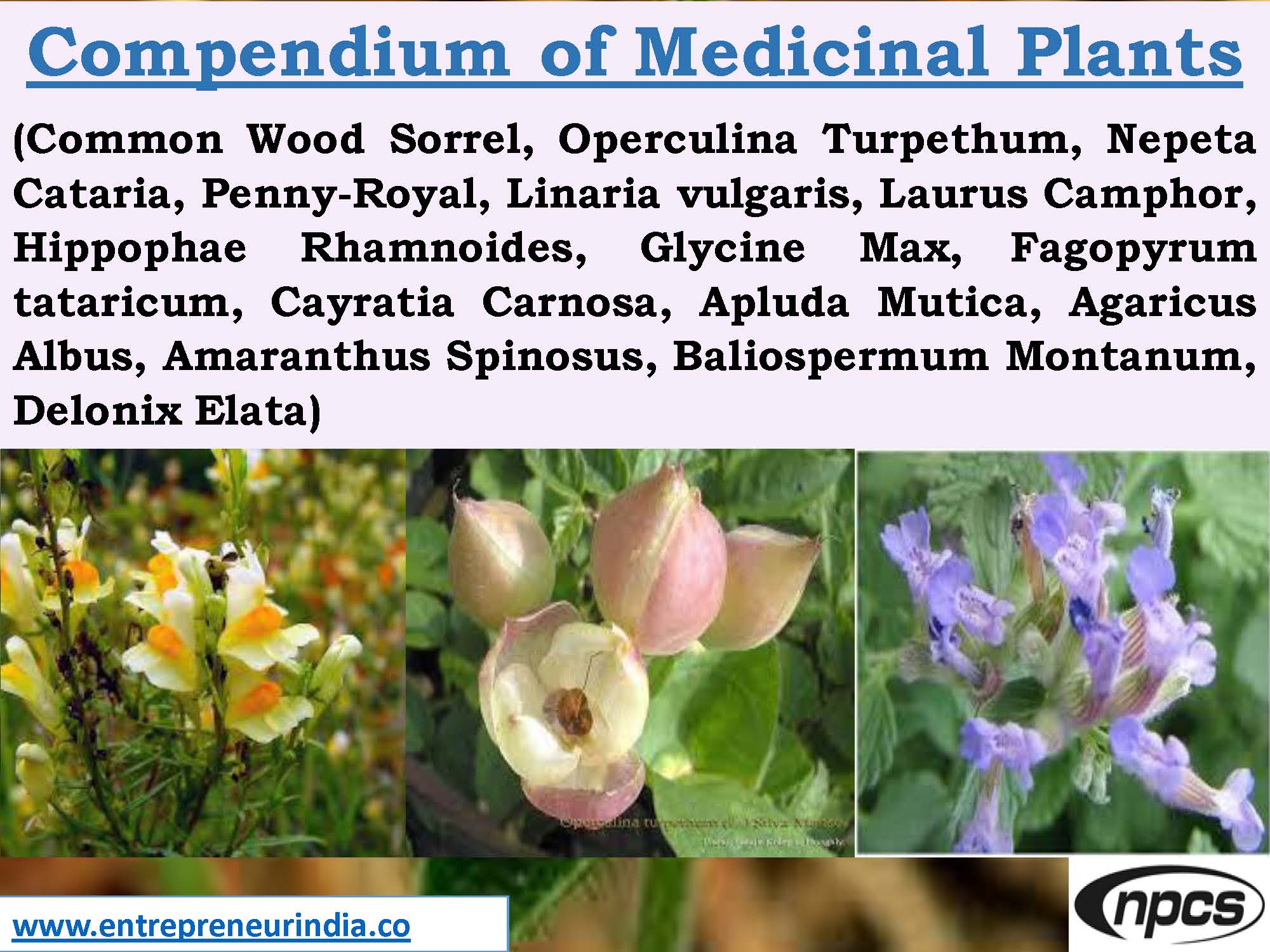
Nature has always been an abundant source of healing agents, offering a wide variety of herbs and plants with therapeutic value. Across ancient and modern medical systems, these botanical species have played critical roles in treating diseases, boosting immunity, and improving general well-being. This compendium of medicinal plants provides insight into several lesser-known yet highly effective herbs used in traditional and herbal medicine. From Common Wood Sorrel to Cayratia, each plant has unique bioactive compounds that serve specific healing functions. Moreover, their integration into wellness products, teas, ointments, and tonics showcases their growing relevance in natural health solutions worldwide.
A Rich Compendium of Medicinal Plants and Their Healing Properties
Medicinal plants are nature’s pharmacy. They offer natural compounds that treat ailments ranging from digestive disorders to skin problems and respiratory conditions. Understanding their uses and applications enhances the role of herbal medicine in both traditional and integrative healthcare systems.
Read More :Metal Finishing
Common Wood Sorrel (Oxalis acetosella)
Known for its tangy taste and clover-like leaves, Common Wood Sorrel is rich in oxalic acid, Vitamin C, and flavonoids. Traditionally used to reduce fever and inflammation, it also acts as a gentle diuretic and cooling agent. Moreover, it is included in herbal remedies for scurvy, indigestion, and mouth ulcers. Due to its antioxidant properties, Wood Sorrel is valued in folk medicine as a natural detoxifier.
Operculina Turpethum (Nisoth)
Operculina turpethum, commonly known as Nisoth, is a powerful herb in Ayurvedic medicine. Its roots are used as a purgative and are effective in treating constipation, edema, and liver disorders. The plant is rich in glycosides that stimulate bile flow and support digestive health. Moreover, it has been researched for its anti-inflammatory and hepatoprotective properties, making it a strong candidate in the compendium of medicinal plants for gastrointestinal therapies.
Nepeta Cataria (Catnip)
Nepeta cataria, or Catnip, is more than just a favorite among felines. It is known for its calming and antispasmodic effects in humans. Used as a herbal tea, Catnip helps relieve insomnia, anxiety, and digestive cramps. Moreover, its essential oil contains nepetalactone, a natural insect repellent. In contrast to synthetic sedatives, Catnip offers a gentler, plant-based option for stress relief and sleep support.
Pennyroyal (Mentha pulegium)
Pennyroyal belongs to the mint family and has traditionally been used as a remedy for respiratory and menstrual problems. Its volatile oils promote sweating and expectoration, making it effective in cold and flu formulations. However, care is required in dosage, as high concentrations can be toxic. Despite that, when used correctly, Pennyroyal remains a valuable addition to the compendium of medicinal plants for respiratory and detox therapies.
Linaria vulgaris (Toadflax)
Also known as Toadflax, Linaria vulgaris has been used as a diuretic, laxative, and skin-soothing agent. It contains flavonoids and alkaloids that provide anti-inflammatory and anti-tumor benefits. Applied topically, it helps treat eczema and wounds. Moreover, its gentle cleansing properties make it useful in internal detox and skin care remedies. This herb, though less known, holds significant therapeutic promise.
Laurus camphor (Camphor Tree)
Laurus camphor, the source of camphor, is widely known for its aromatic and medicinal properties. Camphor is used in balms, vapor rubs, and anti-inflammatory creams. It improves circulation, relieves muscle pain, and clears nasal congestion. Moreover, it has antifungal and antimicrobial activity, making it a staple in topical and inhalation therapies. In the compendium of medicinal plants, Camphor ranks high for its versatility and effectiveness in symptomatic relief.
Hippophae rhamnoides (Sea Buckthorn)
Sea Buckthorn is a powerhouse of nutrients, including Vitamin C, omega fatty acids, and carotenoids. Its berries are used in juices, capsules, and skin products that support immunity, skin regeneration, and cardiovascular health. Moreover, it aids in wound healing and mucosal repair, making it popular in natural remedies for ulcers and burns. Its growing demand in nutraceuticals underscores its value in plant-based medicine.
Glycine max (Soybean)
Glycine max, or Soybean, is not only a staple food crop but also a valuable medicinal plant. Rich in isoflavones, it supports hormonal balance, bone health, and cholesterol reduction. Moreover, soy proteins are being studied for their anti-cancer properties. Used in dietary supplements and therapeutic diets, Soybean contributes significantly to preventive healthcare and chronic disease management in this compendium of medicinal plants.
Fagopyrum tataricum (Tartary Buckwheat)
Tartary Buckwheat is loaded with rutin, a flavonoid with antioxidant and vascular benefits. It is used to improve circulation, lower blood pressure, and manage blood sugar levels. Moreover, its high fiber content makes it effective for gut health and digestion. Often used in gluten-free products and herbal teas, it represents the merging of functional foods and plant-based therapies.
Cayratia (Cayratia trifolia)
Cayratia trifolia is a climbing herb known for its traditional use in treating fever, wounds, and inflammation. It has antidiabetic and antipyretic effects and is used in local healing traditions across India and Southeast Asia. The leaves and roots are applied topically or consumed as decoctions. As research expands, Cayratia’s inclusion in the compendium of medicinal plants may grow due to its broad pharmacological potential.
See Also : Essential Oils & Oleoresins Extraction
Conclusion
This compendium of medicinal plants reveals the immense healing power held within nature’s diversity. Each plant—from Sea Buckthorn to Linaria vulgaris—offers unique compounds that support physical and mental well-being. Moreover, as interest in herbal medicine and natural therapies rises, these plants play an increasingly important role in integrative healthcare. Whether used in teas, tinctures, balms, or supplements, these botanicals highlight the depth and richness of natural pharmacology. With ongoing research and sustainable cultivation, they are poised to shape the future of plant-based medicine for generations to come.