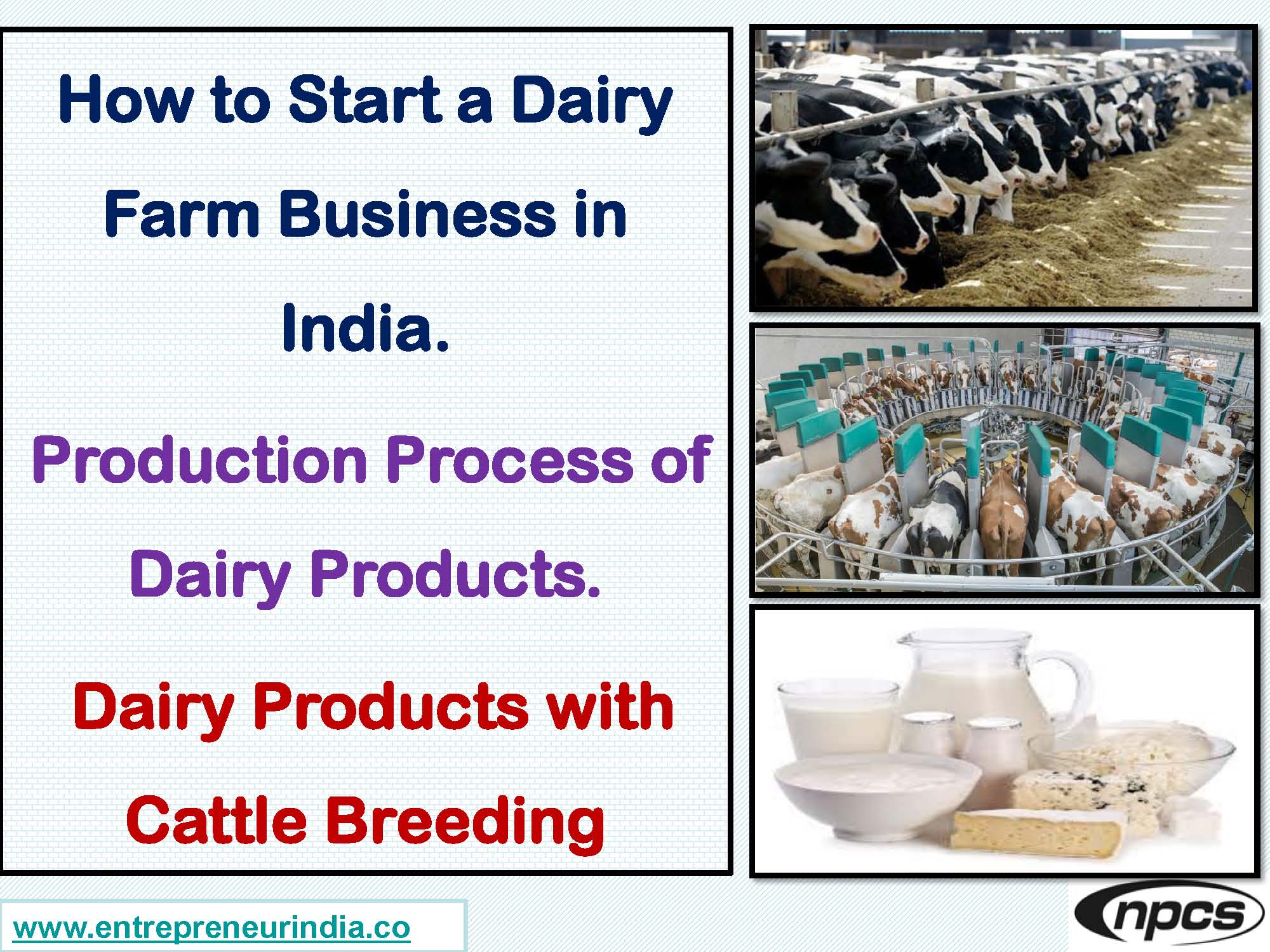
Starting a dairy farm business in India can be a highly profitable venture when managed efficiently. With rising demand for milk and dairy products across urban and rural areas, and the government’s continued support for the agriculture and livestock sectors, entrepreneurs now have a golden opportunity. If you’re wondering how to start a dairy farm business in India, this guide walks you through the essential steps—from cattle breeding to dairy product manufacturing. With proper planning, infrastructure, and knowledge of the production process of dairy products, you can build a sustainable and rewarding agribusiness.
See More – How to Start a Kids Electronic Toys Factory
How to Start a Dairy Farm Business in India
Setting up a successful dairy farming business involves choosing the right breed, creating a hygienic environment, ensuring nutritious feed, and planning for milk collection and processing. Let’s explore the entire journey step by step.
1. Market Demand and Business Potential
India is the largest producer and consumer of milk in the world. The dairy industry contributes around 4% to India’s GDP, and per capita milk consumption is steadily rising.
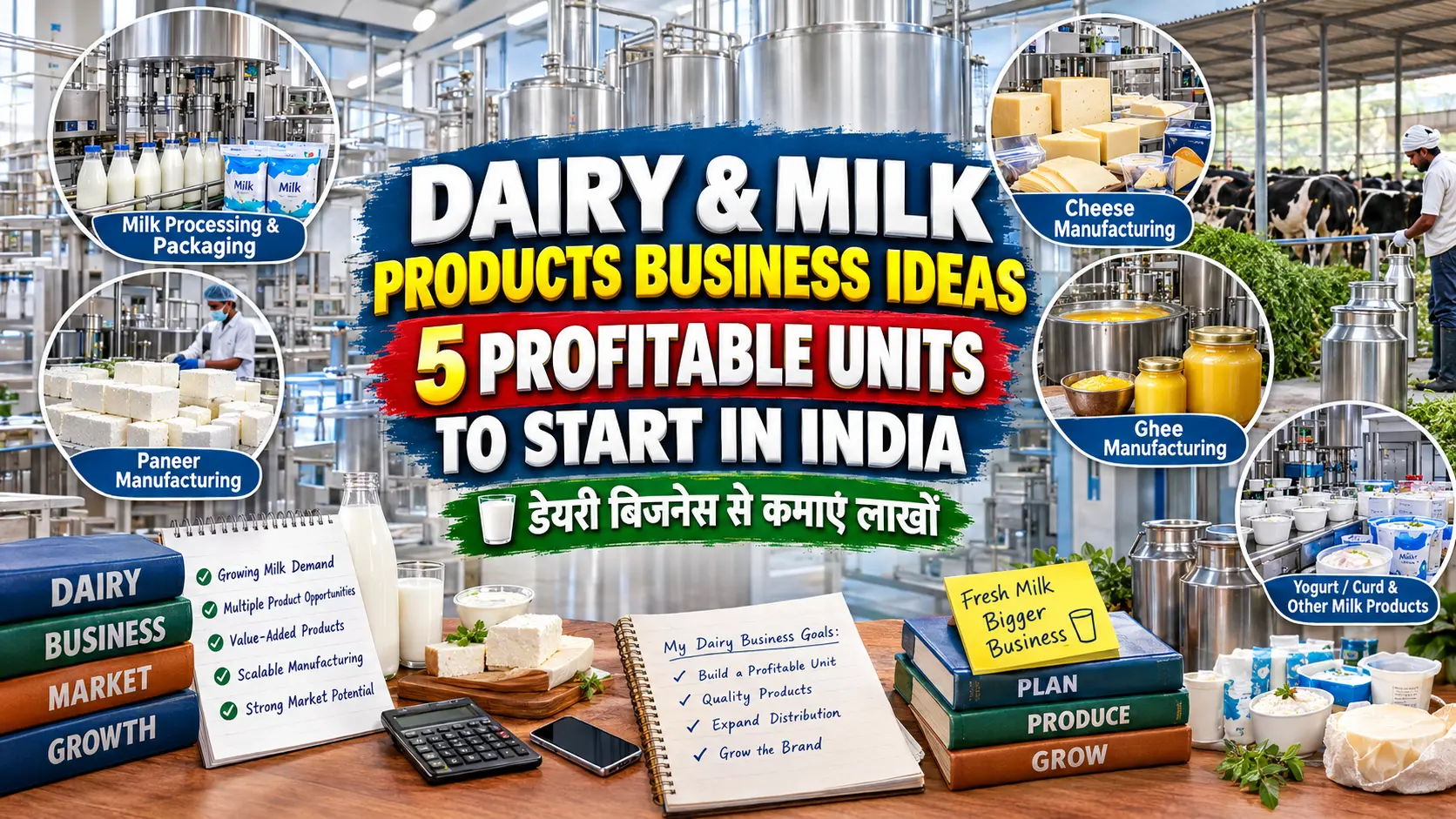
Popular Dairy Products in India Include:
Packaged milk (toned, full cream)
Paneer (cottage cheese)
Ghee (clarified butter)
Butter
Curd and yogurt
Flavored milk and lassi
Ice cream and sweets
With the increase in health-conscious consumers and demand for value-added dairy products, now is a great time to enter this sector.
2. Business Plan and Financial Estimation
A proper business plan helps determine the viability and sustainability of your dairy farm.
Your Plan Should Include:
Number of cattle (starting with 10–20 is ideal for beginners)
Breed selection (cow, buffalo, or mixed)
Housing and land area
Feed and water supply
Milking systems and equipment
Processing or chilling facility
Staff and labor
Marketing strategy
Initial Investment Estimate:
Small-scale: ?10–20 lakhs
Medium-scale with milk processing: ?25–50 lakhs
3. Selecting the Right Cattle Breed
The success of your dairy farm largely depends on the quality and productivity of the cattle you choose.
A. High-yielding Cow Breeds:
Gir – High milk yield and disease resistance
Sahiwal – Heat-tolerant and well-suited for India
Jersey and Holstein Friesian (HF) – Imported breeds with high yield but require intensive care
B. Buffalo Breeds (for Ghee, Paneer, etc.):
Murrah – Highest milk-yielding buffalo breed in India
Mehsana – Preferred in Gujarat and Maharashtra
Tip:
Select healthy, vaccinated cattle from government-certified breeders.
4. Dairy Farm Setup and Infrastructure
Cattle require proper housing, hygiene, and care.
Land Area Required:
1–1.5 acres for 20–25 cattle (includes shelter, grazing, and waste disposal)
Farm Infrastructure Includes:
Cattle shed (well-ventilated, sloped flooring for drainage)
Feed and fodder storage area
Milking room or parlor
Water tanks and feeders
Bio-waste disposal system (manure pit or biogas unit)
Office, storage, and chilling unit (optional for milk processing)
Shed Tip:
Provide at least 40–50 sq. ft. per animal with proper shade and ventilation.
5. Feeding and Healthcare of Cattle
Animal nutrition is key to consistent milk yield and cattle health.
Feed Management:
Dry fodder (hay, straw)
Green fodder (lucerne, maize, napier grass)
Concentrates (protein-rich supplements, minerals)
Clean water (50–70 liters per day per cow)
Healthcare Practices:
Regular vaccination (FMD, Brucellosis, etc.)
Deworming every 3 months
Routine veterinary checks
Proper hygiene and cleanliness
Note:
Healthy cattle live longer, produce more milk, and reduce replacement costs.
6. Milking and Storage
Milking can be done manually or using automatic machines. For medium to large setups, milking machines are time-saving and hygienic.
Post-Milking Steps:
Filter and chill milk immediately to 4°C to prevent bacterial growth
Use bulk milk coolers or send to nearby chilling centers
Store in stainless steel containers to maintain quality
Daily Yield Estimate:
Cow: 8–25 liters/day
Buffalo: 6–15 liters/day
7. Production Process of Dairy Products
You can increase profits by processing raw milk into high-demand dairy products.
A. Paneer Making:
Heat milk to 85°C
Add food-grade citric acid or lemon juice
Separate curds and whey
Press and cool to form paneer blocks
B. Ghee Production:
Boil cream or butter until water evaporates
Filter and store the golden clarified butter
C. Curd & Yogurt:
Heat milk to 40–45°C
Add starter culture (bacteria)
Incubate for 6–8 hours
D. Other Products:
Flavored milk: Add natural extracts or fruit pulp
Butter: Churn cream from milk or curd
Ice cream: Requires pasteurization, homogenization, flavoring, and freezing
Machinery Required:
Pasteurizer
Homogenizer
Cream separator
Paneer press
Packaging and sealing machines
Also Read – Profitable Manufacturing & Processing Ideas in Himachal
8. Packaging and Branding
Good packaging increases shelf life and improves brand image.
Packaging Options:
Food-grade plastic pouches
Glass or PET bottles for flavored milk
Vacuum-sealed paneer packs
Tin or jar packaging for ghee
Labeling Should Include:
Product name and ingredients
Nutritional facts
Manufacturing & expiry date
FSSAI license number
Brand logo
Brand Tip:
Emphasize freshness, hygiene, and local sourcing to build consumer trust.
9. Marketing and Sales
Your marketing strategy will depend on whether you’re selling raw milk or processed products.
Distribution Channels:
Local milk booths and stores
Supermarkets and organic shops
Online delivery apps (BigBasket, MilkBasket, etc.)
Hotel and restaurant supply
Direct-to-consumer via subscription
Promotion Ideas:
Offer free trials in local apartments
Partner with fitness centers and cafes
Build a strong social media presence
Conclusion
If you’re committed to understanding how to start a dairy farm business in India, you’re entering a sector that offers long-term sustainability and recurring income. From quality cattle breeding to mastering the production process of dairy products, every step contributes to your farm’s success. Whether you choose to sell raw milk or diversify into paneer, ghee, or curd, the dairy industry has vast untapped potential. Focus on hygiene, animal care, efficient processing, and smart branding to build a profitable dairy business. With the right mindset and infrastructure, your dairy farm can deliver both economic and nutritional value to the community.