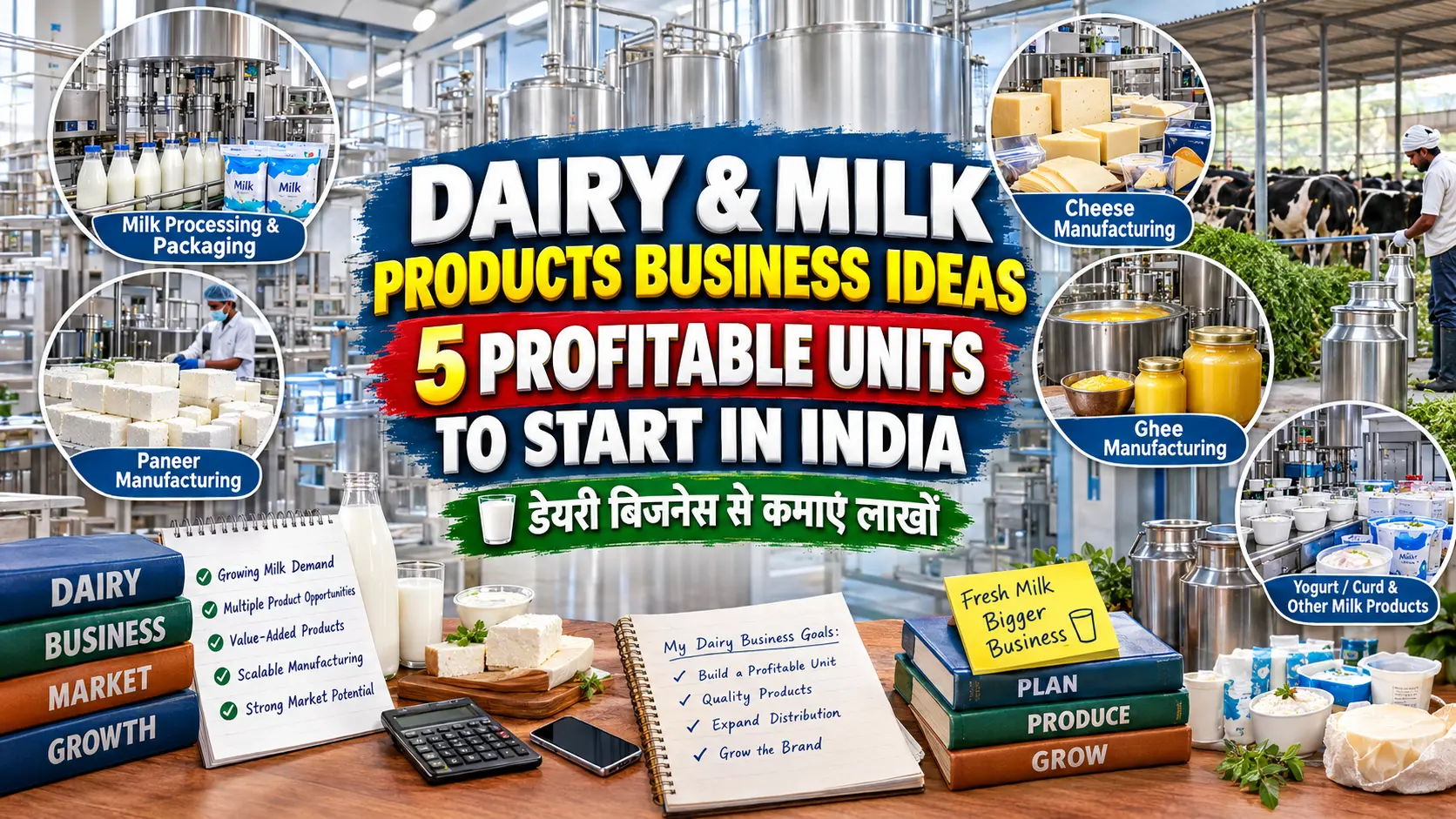
India, known for its agricultural abundance, presents a vast potential for entrepreneurs looking to enter the food processing industry. The growing demand for packaged, ready-to-eat, and value-added food products, rising disposable incomes, urbanization, and the need for extended shelf life of perishable items all contribute to the booming food processing sector. Starting a food processing business in India is a lucrative venture when approached with a strategic plan and compliance with regulatory norms. This article provides a comprehensive guide for aspiring entrepreneurs, covering the key steps, opportunities, licenses, infrastructure, and challenges.
Contents
- 1. Understanding the Food Processing Business in India
- 1.1. Step-by-Step Guide to Start a Food Processing Business in India
- 1.1.1. 1. Conduct Market Research and Identify a Niche
- 1.1.2. 2. Create a Business Plan
- 1.1.3. 3. Choose a Business Structure
- 1.1.4. 4. Select a Location and Setup Infrastructure
- 1.1.5. 5. Procure Machinery and Equipment
- 1.1.6. 6. Obtain Required Licenses and Registrations
- 1.1.7. 7. Source Raw Materials and Packaging Supplies
- 1.1.8. 8. Hire a Skilled Workforce
- 1.1.9. 9. Develop a Brand and Marketing Strategy
- 1.1.10. 10. Plan Distribution and Logistics
- 1.2. Government Support and Incentives for Food Processing
- 1.3. Common Challenges in Food Processing Business
- 1.4. Future of Food Processing Business in India
- 1.5. Conclusion
- 1.1. Step-by-Step Guide to Start a Food Processing Business in India
Understanding the Food Processing Business in India
The food processing industry involves converting raw ingredients into consumable food products through physical or chemical means. It includes a wide range of products—from dairy, bakery, beverages, and snacks to frozen foods, pickles, jams, spices, and more. The food processing business in India is supported by government incentives under schemes such as PMFME (Pradhan Mantri Formalisation of Micro Food Processing Enterprises), PMKSY (Pradhan Mantri Kisan SAMPADA Yojana), and “Make in India.”
Step-by-Step Guide to Start a Food Processing Business in India
1. Conduct Market Research and Identify a Niche
Before you dive into investments, thorough market research is essential. Analyze consumer preferences, demand patterns, competition, pricing trends, and target markets. Based on research, choose a niche such as:
Ready-to-eat meals
Organic food processing
Bakery products
Frozen and refrigerated foods
Spices and condiments
Snack foods and beverages
Selecting a niche helps in defining your product line, marketing strategy, and sourcing raw materials efficiently.
2. Create a Business Plan
A well-structured business plan acts as a roadmap for your operations. It should cover:
Business objectives and mission
Market analysis
Product selection
Target audience
Marketing and distribution strategy
Financial projections
Capital investment needs
Risk analysis
This plan not only guides your execution but is also essential for funding and licensing.
See Also: Pesticide Manufacturing
3. Choose a Business Structure
Register your food processing venture under an appropriate business structure:
Sole Proprietorship
Partnership
Limited Liability Partnership (LLP)
Private Limited Company
One Person Company (OPC)
Each structure has legal, tax, and compliance implications. Consulting with a legal or financial expert can help determine the best option.
4. Select a Location and Setup Infrastructure
The location of your unit must align with the availability of raw materials, transportation facilities, labor, water, electricity, and proximity to the market. Depending on the scale of your food processing business in India, infrastructure needs may include:
Processing area
Packaging unit
Storage and warehousing
Cold storage (if applicable)
Waste disposal systems
Quality control labs
Ensure that the facility complies with hygiene standards as prescribed by FSSAI and environmental norms.
5. Procure Machinery and Equipment
The type of machinery depends on the product type and production scale. You may need:
Grinders and mixers
Ovens and dryers
Blenders and cutters
Refrigeration units
Packaging machines
Quality control equipment
Choose semi-automatic or automatic machines based on your budget and workforce. Always prioritize safety and ease of operation.
6. Obtain Required Licenses and Registrations
Running a food processing business in India requires various approvals and licenses to operate legally and ensure consumer safety. Common licenses include:
FSSAI Registration or License (mandatory for all food businesses)
GST Registration
Trade License from local authorities
MSME/Udyam Registration
BIS Certification (for specific products)
Pollution Control Board clearance (if applicable)
Import Export Code (if planning exports)
Factory License (if employing 10 or more workers with power usage)
Complying with these legal formalities protects your business from penalties and enhances credibility.
7. Source Raw Materials and Packaging Supplies
Establish reliable supplier relationships for raw materials like grains, fruits, vegetables, dairy, spices, or other ingredients based on your chosen product. Also, invest in food-grade, tamper-proof, and attractive packaging materials to ensure product safety and consumer appeal.
8. Hire a Skilled Workforce
Depending on the size of your unit, hire professionals for various operations such as:
Machine operators
Quality assurance technicians
Packers and loaders
Administrative staff
Sales and marketing executives
Train them on hygiene practices, safety protocols, and efficient production methods.
9. Develop a Brand and Marketing Strategy
Branding is critical in gaining consumer trust and market visibility. Design a logo, packaging design, and slogan that reflects your business values. Promote your brand through:
Social media marketing
Influencer tie-ups
Online food delivery platforms
Local retail store partnerships
Trade fairs and food expos
Also consider building a website and offering online ordering options to tap into the digital consumer base.
10. Plan Distribution and Logistics
Whether your business is B2B or B2C, a strong distribution network ensures timely delivery and wider reach. You can partner with retailers, wholesalers, e-commerce platforms, or export agents. For perishable items, invest in refrigerated transport.
Proper inventory management, order tracking, and customer service enhance customer satisfaction and repeat orders.
See Also: Business in Meghalaya
Government Support and Incentives for Food Processing
To encourage growth in the food processing business in India, the government offers multiple schemes and incentives, such as:
PMFME Scheme: Offers financial assistance for micro food enterprises, including seed capital and training.
Mega Food Parks: Provides infrastructure support with processing facilities and cold chains.
NABARD Subsidies: Loans and subsidies for rural food processing ventures.
FPI Schemes under MOFPI: Capital grants and technical support for modernizing existing units.
Take advantage of these schemes to reduce capital burden and improve your technological edge.
Common Challenges in Food Processing Business
While the sector is growing, some challenges include:
High initial investment in equipment and setup
Regulatory compliance and inspections
Perishability and supply chain management
Competition from established brands
Seasonal raw material availability
Changing food safety norms and standards
Proper planning, quality control, and staying informed about industry trends can help you overcome these obstacles.
Future of Food Processing Business in India
With the increasing demand for healthy, organic, and convenient food options, the food processing business in India has a promising future. Emerging trends include:
Plant-based and vegan products
Functional and fortified foods
Cold-pressed juices and herbal products
Smart packaging technologies
Automation and AI integration in processing
Adopting innovation, maintaining product quality, and ensuring customer satisfaction will determine your long-term success.
See Also: industrial oxygen gas plant
Conclusion
Starting a food processing business in India requires a blend of strategic planning, investment, compliance, and marketing. By leveraging government schemes, understanding consumer trends, and building a robust operational framework, entrepreneurs can tap into this high-potential industry. From local retail shelves to global export markets, Indian food products are gaining immense popularity, making it the perfect time to step into this rewarding domain.