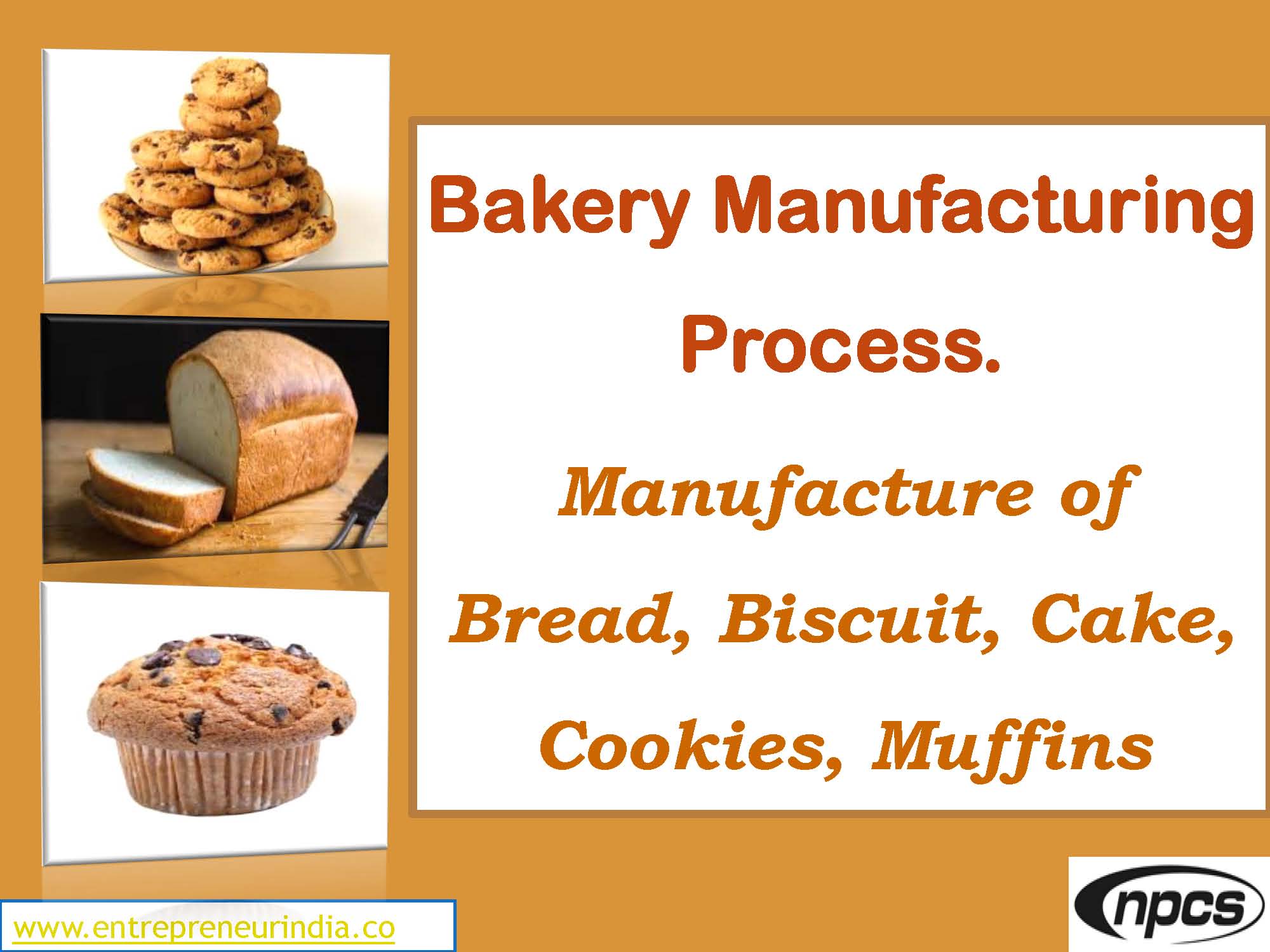
The bakery industry in India has witnessed remarkable growth due to changing food habits, rising urbanization, and demand for ready-to-eat snacks. From bread, cakes, cookies, and muffins to rusks and pastries, baked goods are a part of daily life for millions. Whether it’s a small commercial setup or a large-scale automated plant, understanding the bakery manufacturing process is crucial for consistent quality, cost control, and customer satisfaction. Moreover, as consumers become more quality-conscious and health-aware, bakeries must follow standardized processes to ensure hygiene, taste, and freshness in every product.
Understanding the Bakery Manufacturing Process
The bakery manufacturing process involves a sequence of carefully controlled steps—from ingredient selection to baking, cooling, and packaging. Each phase plays a vital role in ensuring the final product meets taste, texture, and shelf-life expectations.
1. Ingredient Selection and Preparation
High-quality ingredients are the foundation of every bakery product. Common ingredients include:
Flour (wheat, refined, or multigrain)
Sugar
Eggs or egg substitutes
Fats (butter, margarine, or oil)
Yeast or baking powder
Milk, water, and flavorings
Each ingredient is weighed and measured accurately to maintain product consistency. In contrast to home baking, commercial bakeries follow batch formulas and standardized recipes. Moreover, advanced bakeries often use pre-mixes for efficiency and uniform results.
2. Mixing and Kneading
In this stage, ingredients are blended using industrial mixers. The type of mixing (slow or high-speed) depends on the product. For bread, gluten development is crucial, so kneading time and dough texture are carefully monitored. Cake batters, on the other hand, are mixed gently to maintain aeration. Moreover, temperature control during mixing helps maintain dough or batter quality before fermentation or baking.
3. Fermentation and Proofing (For Breads and Buns)
Yeast-based products like bread and buns undergo fermentation, where dough is left to rise at controlled temperature and humidity. This step develops flavor and volume. After initial fermentation, dough is divided, shaped, and sent for proofing—another resting period that prepares it for baking. In contrast, cookies and cakes usually skip fermentation and go directly to shaping or depositing.
See More –Automatic Fly Ash Brick Making Plant
4. Shaping and Depositing
In this phase, dough or batter is shape using molds, cutters, or depositing machines. Depending on the product type:
Bread dough is placed into loaf pans
Cookies are cut or extruded into shapes
Cakes are poured into trays or cupcake molds
Moreover, automated lines use conveyor systems for precision and speed, especially in high-volume production units.
5. Baking
The baking process transforms raw dough or batter into finished products. Commercial ovens—either rotary, deck, or tunnel-type—are use depending on the product and plant size. Baking time and temperature vary widely:
Bread: 180–220°C for 25–30 minutes
Cookies: 160–180°C for 10–15 minutes
Cakes: 170–190°C for 20–40 minutes
Moreover, even heat distribution is crucial for texture, appearance, and proper cooking. Automated temperature and humidity controls help maintain consistency across batches.
6. Cooling and Packaging
After baking, products must cool to room temperature before packaging to prevent moisture buildup and spoilage. Cooling conveyors or racks are use in larger setups. Once cooled, baked goods are package using automatic machines:
Flow wrap for bread and cookies
Tray sealing for cakes and muffins
Vacuum or MAP (Modified Atmosphere Packaging) for extended shelf life
Moreover, proper labeling with manufacturing date, ingredients, and nutritional info is essential for regulatory compliance and consumer trust.
See More –Camphor Manufacturing Business
Conclusion
Mastering the bakery manufacturing process is the key to running a successful, hygienic, and scalable bakery business. Each step—from mixing to baking and packaging—must be execute with precision to ensure quality, freshness, and market appeal. Moreover, automation and good manufacturing practices (GMP) help improve efficiency and reduce waste. Whether you’re a small-scale entrepreneur or planning a full-scale industrial unit, a standardized and efficient process will help you meet growing demand while building a trusted bakery brand.