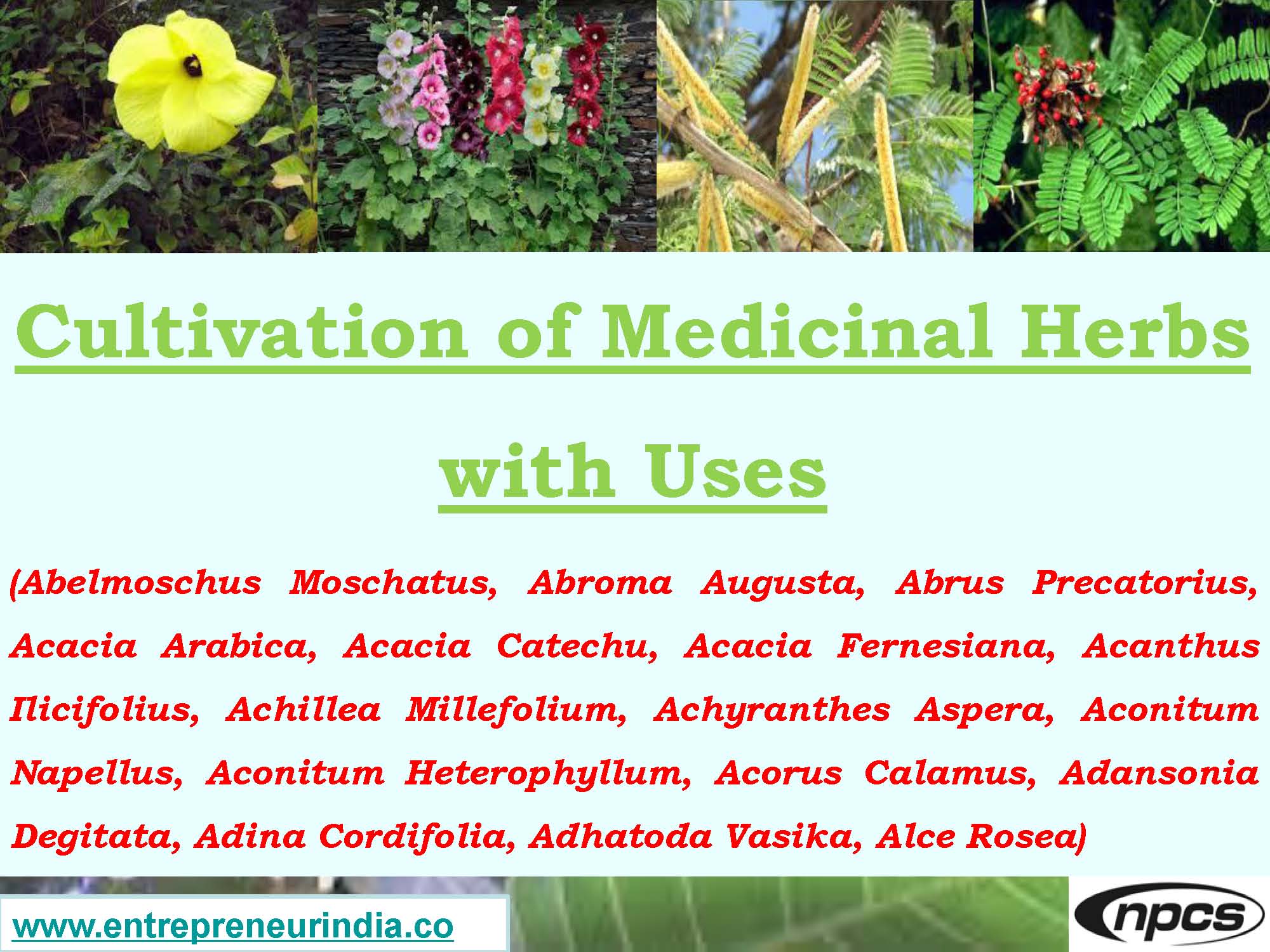
Medicinal herb cultivation is gaining popularity as people turn to natural remedies and wellness products. Growing medicinal herbs involves planting and caring for plants known for their healing properties, such as neem, tulsi, aloe vera, and ashwagandha. These herbs are used in herbal medicines, cosmetics, and supplements worldwide. Moreover, cultivating medicinal herbs offers farmers an opportunity to diversify crops and tap into a growing market for organic and herbal products. With the right growing techniques and knowledge of soil, climate, and harvesting, medicinal herb cultivation can be both profitable and sustainable.
Read More :Small Scale Food Processing
Overview of Medicinal Herb Cultivation: Uses and Techniques
Medicinal herb cultivation combines traditional knowledge with modern farming methods to produce high-quality herbs for health and wellness products. These herbs contain bioactive compounds that support treatment of ailments ranging from inflammation to digestive issues. Proper cultivation ensures these compounds remain potent. Moreover, understanding the right soil types, irrigation, and pest control is key to successful herb farming. Whether grown on small farms or large plantations, medicinal herbs require careful handling from planting to harvest to maintain their medicinal value.
Common Medicinal Herbs and Their Uses
Many medicinal herbs have well-known benefits. For example, tulsi (holy basil) is prized for its immune-boosting and stress-relief properties. Aloe vera is widely used for skin care and digestive health. Ashwagandha supports vitality and reduces anxiety, while neem has antibacterial and antifungal qualities. These herbs are used in teas, ointments, capsules, and extracts. Cultivating such herbs meets the rising demand for natural health products, especially in Ayurveda and herbal supplements.
Best Growing Practices for Medicinal Herbs
Successful medicinal herb cultivation starts with selecting the right location and soil. Most herbs prefer well-drained, fertile soil with adequate sunlight. Proper spacing and crop rotation help reduce disease risk. Organic fertilizers and natural pest control maintain soil health and product purity. Irrigation must be managed carefully—overwatering can damage roots while drought stresses the plants. Harvesting at the right time is crucial because bioactive compounds vary with growth stages. Post-harvest drying and storage techniques also affect herb quality.
Market Potential and Economic Benefits
The market for medicinal herbs is expanding globally, driven by increasing interest in natural and herbal medicines. Products made from cultivated herbs sell well in domestic and international markets. Farmers benefit from higher returns compared to many conventional crops. Moreover, value addition through processing herbs into oils, powders, or extracts increases profitability. Government schemes and organic certification programs often support medicinal herb cultivation, making it a viable business opportunity.
See Also : July 2017 Entrepreneur
Final Thoughts on Medicinal Herb Cultivation
In summary, medicinal herb cultivation offers a promising path for farmers and entrepreneurs interested in natural health products. By combining traditional wisdom with good agricultural practices, growers can produce high-quality herbs that meet growing consumer demand. Moreover, focusing on sustainable methods and proper post-harvest care ensures the herbs retain their healing properties. As the market for herbal products expands, medicinal herb cultivation will continue to grow as a profitable and eco-friendly venture.