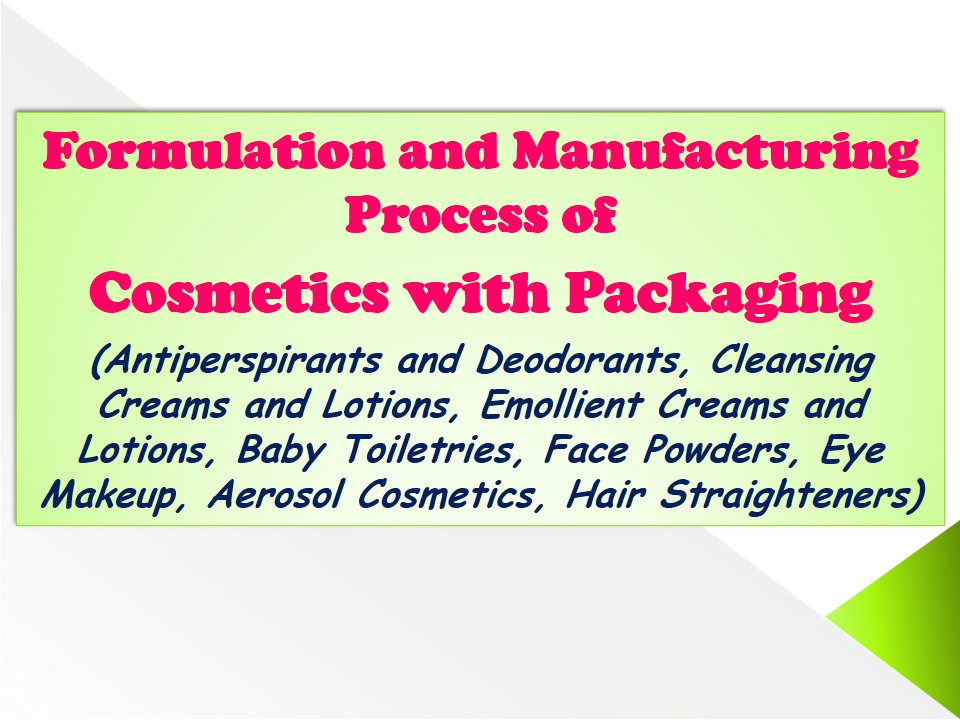
The cosmetics industry is booming across the globe. Beauty products are now a part of everyday routines. As more consumers focus on appearance and skincare, the demand for high-quality cosmetic products is increasing. Entrepreneurs and investors are eyeing this sector for its impressive growth potential. From nourishing creams to bold eye makeup, the cosmetics manufacturing process involves creativity, precision, and strict quality checks. In this guide, you’ll discover how beauty products are made and what it takes to run a successful cosmetics business.
Overview of the Cosmetics Manufacturing Process
Cosmetics are made using various techniques, ingredients, and technologies. Each product has its unique formula and requires a different method. However, most cosmetic items follow a general process. Raw materials are gather, clean, and then blend to create creams, lotions, lipsticks, or eye shadows. This mixture goes through quality testing before it’s pour into final packaging.
See Also – Start Meat Processing Business
The cosmetics manufacturing process begins with choosing the right ingredients. Natural and organic options are gaining popularity. Essential oils, plant extracts, and mineral pigments are common in skin-friendly products. These ingredients are store in a clean, temperature-controlled environment to maintain their quality.
Next comes the mixing stage. High-speed blenders and emulsifiers ensure all components combine evenly. For creams and lotions, water and oil must blend perfectly to avoid separation. The mixture is then cooled, tested, and adjusted if needed.
After blending, products enter the filling and packaging phase. Machines fill tubes, jars, or bottles with exact amounts. Labels are printed and applied with brand logos and product information. Finally, each item is inspected, boxed, and made ready for sale.
Types of Cosmetic Products Manufactured
The cosmetics manufacturing process covers a wide range of products. Each category has its own production setup:
Face Creams and Lotions
These moisturizers help keep skin soft and hydrated. They usually contain water, oils, emulsifiers, and active ingredients like vitamins.Lipsticks and Lip Balms
Waxes, pigments, and oils are melted and blended. The mix is then poured into molds and cooled to form solid sticks.Eye Makeup
Mascaras, eyeliners, and shadows contain waxes, polymers, and colorants. The production involves heating and emulsifying, followed by filling and packaging.Foundations and Concealers
These products need a smooth, skin-like texture. Ingredients are carefully mixed to match different skin tones.Soaps and Body Washes
Liquid and bar soaps are made using saponification or surfactant blending. Fragrance and color are added in later stages.Hair Products
Shampoos, conditioners, and hair masks are emulsified mixtures with oils, proteins, and softening agents.
Each type requires strict hygiene practices. Cleanroom environments prevent contamination, especially in products used on sensitive areas like lips or eyes.
Setting Up a Cosmetics Manufacturing Unit
Planning is key to starting a cosmetics business. The first step is choosing a suitable location. The site must be clean, well-ventilated, and comply with government rules. A small-scale unit can start with one or two products, expanding later based on demand.
Machinery selection is equally important. Equipment must support the product types you plan to manufacture. You may need:
Mixers and blenders
Homogenizers
Tube and bottle filling machines
Label printers and batch coders
Quality control equipment
Staff with knowledge of chemistry and formulations are crucial. Hire trained professionals to manage production, testing, and quality control. You must also obtain necessary licenses like:
Drug and Cosmetics License
Pollution Control Certificate
Factory Registration
GST Registration
Marketing strategy plays a vital role in success. Building trust with customers requires strong branding, packaging, and product performance. Social media, online stores, and beauty influencers help boost visibility.
Investment and Profitability
The cosmetics manufacturing process involves moderate investment. A small unit may require ?10–15 lakhs, covering equipment, raw materials, rent, and staffing. Medium or large-scale plants need more capital, especially if automation is involved.
Profit margins are attractive, especially in niche products like herbal skincare, vegan makeup, or premium haircare. Selling through multiple channels increases reach. Direct-to-consumer models offer higher profits by cutting retail costs.
Private labeling is another growing opportunity. Many businesses offer white-label solutions where small beauty brands can launch without owning a factory. This trend is popular among influencers and dermatologists.
With rising disposable income and increased beauty awareness, the cosmetics industry in India and globally is seeing steady growth. Products made with transparency, safety, and skin-friendly formulas enjoy strong consumer support.
Quality Control and Certifications
Each product must pass safety and stability tests before reaching store shelves. These tests confirm that the product does not harm the skin or degrade over time. Lab technicians monitor pH levels, viscosity, microbial content, and consistency.
Certifications build customer trust. Common quality standards include:
ISO 22716: Good Manufacturing Practices (GMP) for cosmetics
BIS certification (Bureau of Indian Standards)
Organic or cruelty-free labels
FDA approvals for export markets
Traceability is also important. Batch numbers help track products in case of recalls or complaints. Technology like ERP software helps manage inventory, quality reports, and regulatory documents smoothly.
Trends in Cosmetics Manufacturing
The beauty industry is constantly evolving. New technologies and customer preferences shape how products are made. Some rising trends include:
Natural and Organic Formulations
Consumers prefer chemical-free products. Ingredients like aloe vera, turmeric, and neem are widely used in herbal creams and face packs.Custom Skincare
Personalized solutions are gaining popularity. Skin tests help companies make products for individual needs.Waterless Cosmetics
To reduce packaging waste and water use, many brands are switching to solid or concentrated products.Sustainable Packaging
Eco-friendly materials like bamboo, recycled plastic, and glass are replacing single-use packaging.Cruelty-Free and Vegan Products
Ethical beauty is growing. Brands avoid animal testing and exclude animal-derived ingredients like beeswax or lanolin.
The cosmetics manufacturing process must adapt to these trends to stay competitive. Innovation is vital for growth and brand loyalty.
Future of Cosmetics Manufacturing in India
India has become a major player in global cosmetic exports. With government initiatives like “Make in India” and “Startup India,” the industry receives strong support. Many Indian brands are now entering global markets with Ayurvedic and herbal products.
Digital transformation is also reshaping the supply chain. Automation reduces errors, speeds up production, and cuts costs. AI tools help analyze trends, develop new formulas, and predict consumer behavior.
As awareness about ingredients and sustainability grows, companies must be transparent. Brands that prioritize clean, honest labeling and eco-conscious methods will build long-term customer trust.
See Also – Dyestuff Business
Conclusion
In conclusion, the cosmetics manufacturing process offers a profitable opportunity for entrepreneurs. With careful planning, quality control, and smart marketing, success is within reach. The industry rewards creativity, consistency, and commitment to safety. Products made with care can win hearts and become household names.