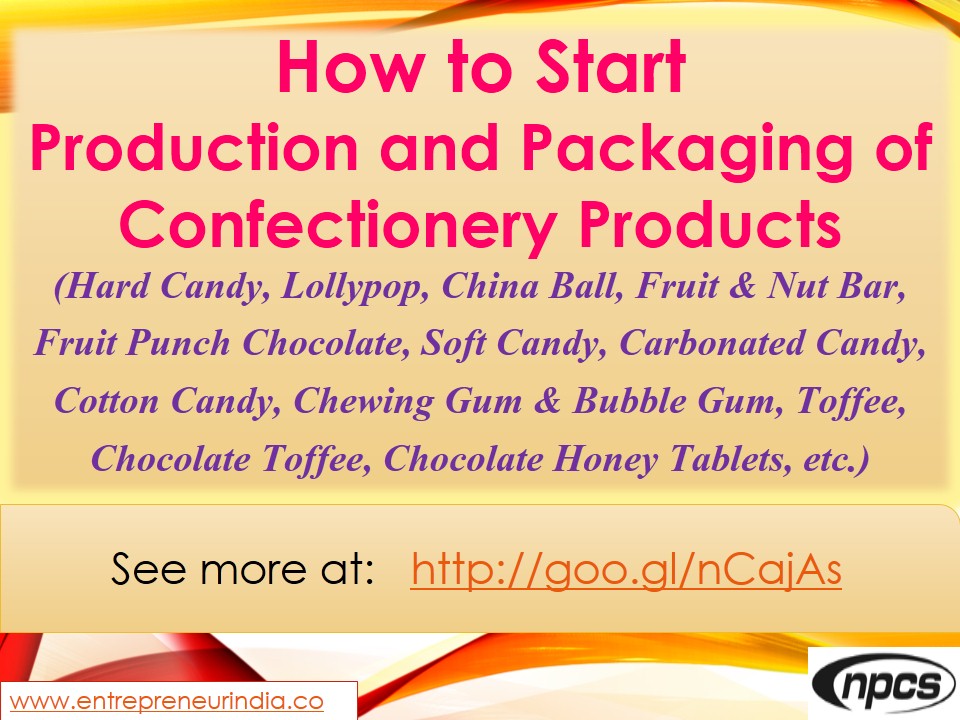
The confectionery industry continues to sweeten profits around the globe. From nostalgic treats like cotton candy to indulgent chocolates and fruit bars packed with nutrition, this segment offers both mass-market and premium opportunities. Entrepreneurs planning to enter the sweets business must focus not only on taste but also on hygiene, presentation, and shelf stability. Whether it’s hard candy, chocolate, chewing gum, or fruit punch bars, starting the production and packaging of confectionery products involves a blend of culinary skill, food science, and business strategy.
Understanding the Confectionery Market
The global demand for confectionery is driven by rising disposable incomes, changing lifestyles, and constant product innovation. Children, teens, and adults all contribute to the growing consumer base, with preferences varying across geographies. From traditional sugar-based candies to functional snacks with added nutrients, there’s room for both artisanal and industrial players.
India, for example, is seeing exponential growth in fruit-based confections, filled chocolates, and premium gum segments. The domestic market also supports exports due to its cost-effective labor and abundant raw materials like sugar, milk, and fruit pulp.
By analyzing market trends and consumer demand, you can strategically decide which products to manufacture and how to differentiate them with flavors, textures, or packaging.
See Also – 50 Projects to Start with ?500000
Setting Up Your Production Facility
Before diving into machinery or recipes, you must choose a production scale—small, medium, or large. This decision influences the type of equipment, raw material procurement, and compliance requirements.
Location and Infrastructure
Select a clean, pest-free site with ample ventilation and access to utilities like water, electricity, and drainage.
Ensure there is space for raw material storage, production zones, packaging, quality control, and finished goods.
Licenses and Certifications
FSSAI registration (India) or equivalent in your country.
GST number, trade license, and factory license.
HACCP and ISO 22000 certifications for better market access, especially in exports.
Starting with a legally compliant and hygienic facility is essential for sustained business growth.
Essential Raw Materials for Confectionery Production
The production and packaging of confectionery products requires careful selection of ingredients that influence taste, texture, and shelf life. Core raw materials include:
Sugar and Glucose Syrup: For hard candy, lollipops, soft candy.
Gelatin or Pectin: For chewiness in soft candy and fruit bars.
Milk Solids and Cocoa: Used in chocolates and milk-based confections.
Fruit Pulp and Flavors: For fruit nut bars, fruit punch, and carbonated candies.
Nuts and Dry Fruits: For premium bars and filled chocolates.
Food Colors and Acids: To enhance appeal and adjust pH for shelf stability.
Always choose food-grade, certified ingredients to meet safety standards and maintain consistent quality.
Manufacturing Process for Key Products
Each confectionery item has a unique recipe and manufacturing technique. Here’s a breakdown of how various products are made:
Hard Candy & Lollipop
Cooking: Sugar and glucose syrup are cooked to 150°C–160°C.
Color & Flavor Addition: Added after cooling to 120°C.
Molding/Forming: The mixture is poured into molds or formed on a drop roller.
Cooling: Candy sets at room temperature or in cooling tunnels.
Sticking (for lollipops): Sticks are inserted during the forming stage.
China Ball (Candy-Coated Nuts or Seeds)
A core nut (like peanut) is layered with syrup in a coating pan.
Rotation and gradual heating help form a thick shell.
Final polishing with wax gives a glossy finish.
Fruit Nut Bar
Blend fruit pulp, nuts, sugar, and binding agents.
Heat and mix uniformly before shaping.
Cut into bars, cool, and pack with vacuum sealing for freshness.
Fruit Punch Candy
Combine fruit concentrate with sugar and stabilizers.
Molding and fast cooling preserve color and flavor.
Chocolate
Mix cocoa mass, cocoa butter, milk solids, and sugar.
Conch and temper to develop smooth texture.
Mold, cool, and demold for packing.
Soft Candy
Mix sugar, glucose, gelatin, and fat at specific temperatures.
Aerate to produce chewiness.
Shape via extrusion or depositing machines.
Carbonated Candy
Incorporate pressurized carbon dioxide into sugar mix.
Encapsulate to preserve fizz until it dissolves in the mouth.
Cotton Candy
Sugar is melted and spun through tiny holes using centrifugal force.
Flavored and colored floss is collected and packaged in airtight containers.
Chewing Gum
Blend gum base with sugar, glucose syrup, and flavors.
Knead and extrude into sheets or pieces.
Cool and coat with polish or sweetener.
Each of these processes requires temperature control, hygienic handling, and real-time quality checks.
Packaging: The Final Presentation
Packaging plays a vital role in product appeal, shelf life, and branding. A good packaging strategy ensures protection from moisture, heat, light, and contamination.
Types of Packaging Materials
Flow Wraps: For individual candies and bars.
Foil Wrappers: Used in chocolates to retain aroma and shape.
PET or BOPP Films: Offer barrier protection and visibility.
Vacuum or MAP Packs: Extend shelf life of fruit-based bars.
Tins and PET Jars: Reusable and attractive for premium ranges.
Automated packing machines reduce human contact and improve output. Always include essential label information—ingredients, allergens, expiry date, nutrition facts, and batch numbers.
Machinery Required for a Medium-Scale Unit
To streamline the production and packaging of confectionery products, you’ll need industry-standard equipment:
Cooking Kettles (Steam or electric)
Candy Molding Line
Extruder or Depositor (For soft candy, chewing gum)
Cooling Tunnel
Chocolate Tempering & Enrobing Machine
Batch Roller & Rope Sizer
Coating Pan (For china balls)
Cotton Candy Spinner
Packaging Machines (Flow wrapper, pouch sealer, shrink tunnel)
Invest in easy-to-clean, food-grade stainless steel equipment that complies with food safety standards.
Quality Control and Hygiene Measures
Consistent product quality ensures repeat customers and regulatory compliance. A good manufacturing setup includes:
Microbial Testing: For bacteria, yeast, and mold counts.
Brix Testing: To measure sugar concentration.
Viscosity and pH Monitoring
Packaging Seal Integrity Tests
Sensory Evaluation Panels: For flavor, color, and mouthfeel.
Implement SOPs (Standard Operating Procedures) and train staff on hygiene practices. Hair nets, gloves, and clean uniforms should be mandatory in production zones.
Marketing and Distribution Strategy
To succeed in the production and packaging of confectionery products, you must pair quality products with smart marketing. Consider these strategies:
Product Sampling: Let customers taste before they trust.
Festive Packaging: Align with local and international festivals.
E-commerce Presence: Use Amazon, Flipkart, or Shopify to reach pan-India or global audiences.
Retail Partnerships: Place your product in kirana stores, supermarkets, and gift shops.
Custom Branding: Offer private labeling for wedding favors or corporate gifting.
Consistent branding, customer engagement on social media, and value-for-money pricing can help build loyalty and scale your business.
Sustainability Trends and Consumer Preferences
Modern consumers prefer healthier, cleaner, and more eco-conscious products. Aligning your production practices with these trends can enhance your brand reputation.
Low-Sugar and Sugar-Free Options: Use natural sweeteners like stevia or erythritol.
Natural Flavors and Colors: Avoid synthetic additives.
Biodegradable Packaging: Replace plastic with recyclable or compostable wraps.
Vegan and Allergen-Free Choices: Cater to specific dietary needs.
Adopting sustainability not only fulfills ethical responsibility but also attracts a wider customer base.
See Also – Micronutrient Fertilizer
Conclusion
In conclusion, the production and packaging of confectionery products is a rewarding business that blends creativity, precision, and consumer insight. Whether you’re crafting lollipops, fruit bars, or carbonated candies, success depends on selecting quality ingredients, using efficient machinery, maintaining hygiene, and delivering memorable taste experiences. Moreover, by staying updated with consumer trends and incorporating sustainable practices, entrepreneurs can position their brands for long-term growth.
So, if you’re looking for a flavorful way to enter the FMCG market, starting a confectionery manufacturing unit could be your sweetest business decision yet.