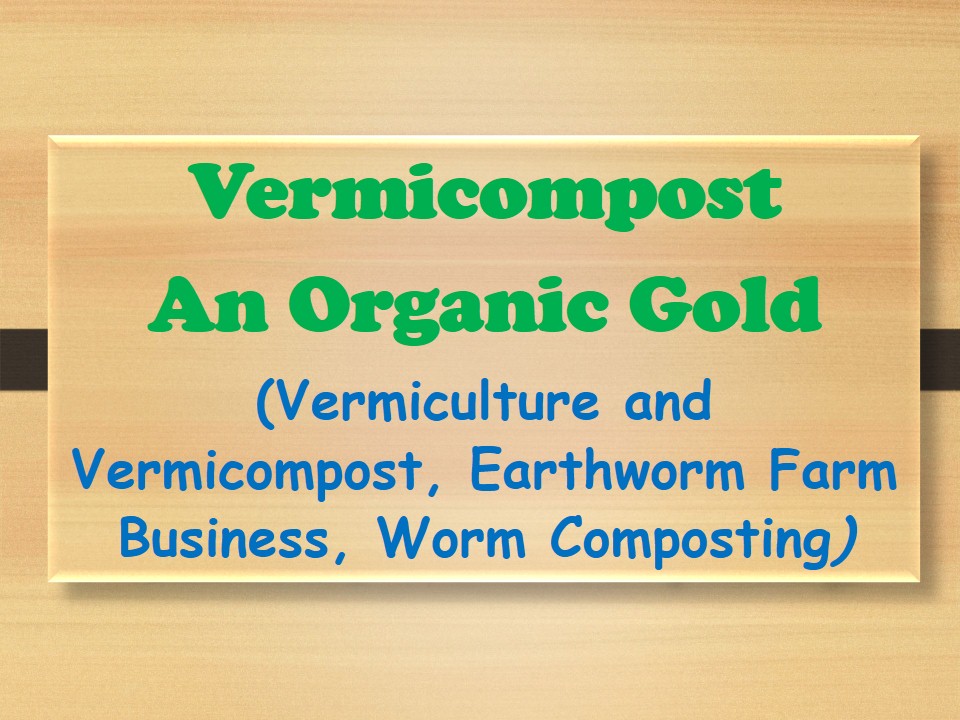
The need for sustainable farming practices is growing rapidly. Among many eco-friendly solutions, one opportunity stands out for its simplicity and effectiveness: the Earthworm Farming Business. It offers a unique way to convert organic waste into high-quality compost while creating a profitable venture. With minimal investment, this green business turns earthworms into hard-working soil engineers, enriching the soil and boosting crop yields.
Understanding Vermicomposting and Its Scope
Vermicomposting is the process where specific species of earthworms break down organic waste into nutrient-rich compost. The output, known as vermicompost, is a dark, soil-like material filled with essential nutrients and beneficial microbes. This compost not only improves soil texture but also enhances plant growth naturally.
See Also –Citrus Oil Extraction
The Earthworm Farming Business is gaining traction, especially in rural and semi-urban areas. It requires less space, has low operational costs, and offers multiple revenue streams. Organic farms, nurseries, and even large agricultural companies are shifting to vermicompost for healthier soil and chemical-free crops. Therefore, the demand for vermicompost and composting worms continues to grow.
Many entrepreneurs are tapping into this opportunity by setting up vermicompost units and selling compost to farmers, garden centers, and agri-retailers. Additionally, government schemes and organic farming subsidies make it even easier to get started.
Benefits of Earthworm Farming
The Earthworm Farming Business brings numerous advantages. First, it helps manage organic waste efficiently. Kitchen scraps, crop residues, leaves, and manure are processed naturally without harming the environment.
Second, the end product – vermicompost – fetches a good price in the market. It is highly valued in organic farming, gardening, and potting soil mixes.
Third, the worms themselves are in demand. Many startups and agriculture enthusiasts buy composting worms to start their own units. This allows farmers to generate an additional source of income from worm sales.
Moreover, it reduces dependency on chemical fertilizers. Over time, this leads to healthier produce, improved soil quality, and a cleaner environment.
Lastly, the business is scalable. Entrepreneurs can begin small and expand based on market demand. This flexibility makes it perfect for rural entrepreneurs, SHGs (Self-Help Groups), and eco-conscious investors.
Key Earthworms Used in Composting
Not all worms are suitable for composting. The most common species used in the Earthworm Farming Business include:
Eisenia fetida (Red Wigglers): These are the most popular composting worms.
Eudrilus eugeniae (African Night Crawlers): Known for faster composting and bigger size.
Perionyx excavatus (Indian Blue Worm): Commonly used in tropical countries like India.
These worms feed on organic material and convert it into vermicompost through digestion. Under the right temperature and moisture, they reproduce quickly and sustain the composting cycle.
How to Set Up an Earthworm Farming Business
To launch an Earthworm Farming Business, follow these steps:
1. Select a Suitable Location
Choose a shaded area with good drainage. A shed or open space covered with straw or netting works well. Protect the compost beds from rain and direct sunlight.
2. Build Vermicomposting Beds
Create beds using bricks, wood, or cement. A typical bed is 10 feet long, 3 feet wide, and 1 foot deep. Line it with a jute sheet and sprinkle a layer of moist soil.
3. Add Organic Waste
Use chopped kitchen waste, cow dung, leaves, and vegetable scraps. Avoid meat, oily food, citrus fruits, and plastics. Let the material decompose for 10–15 days before adding worms.
4. Introduce Earthworms
Add the worms to the semi-decomposed waste. They start feeding and converting waste into compost. Maintain moisture and temperature for optimal output.
5. Harvest the Vermicompost
Within 45–60 days, dark, granular compost appears on the surface. Separate the worms by moving them to fresh food and collect the compost.
6. Pack and Sell
Dry the compost, sieve it, and pack it in bags. Label them and sell to nurseries, farmers, gardening stores, or online platforms.
Equipment and Investment Required
Starting an Earthworm Farming Business does not require heavy machinery. Basic tools include:
Vermibeds or brick beds
Water sprinklers or pipes
Shade nets or thatched roof
Sieve and packaging materials
Buckets, spades, gloves
A small unit can be started with ?20,000–?50,000. Government schemes like the National Horticulture Mission and NABARD loans support small organic units through grants and soft loans.
Market Opportunities for Vermicompost
The organic farming industry in India is expanding. With more awareness about chemical-free produce, the demand for natural fertilizers has increased. Cities like Pune, Bengaluru, and Delhi have seen a spike in vermicompost use for terrace gardens and urban farming.
Apart from direct retail, tie-ups with agricultural cooperatives, online gardening stores, and local dealers create consistent income. Selling composting worms adds a second revenue line.
Bulk buyers include:
Organic vegetable farms
Floriculture units
Tea and coffee plantations
Horticulture parks
Landscaping companies
Panchayats and municipal waste departments
If quality is consistent, businesses can also apply for certification and export vermicompost to international organic markets.
Challenges and How to Overcome Them
Like any venture, the Earthworm Farming Business comes with challenges:
Temperature sensitivity: Worms need moderate temperature and moisture. Too much rain or sun can affect productivity. Use sheds or shade nets to control conditions.
Pests and rodents: Ants, rats, and birds may disturb the beds. Fencing and netting help prevent this.
Initial odor: In the early composting phase, unpleasant smells may arise. Ensure proper aeration and balance of wet and dry waste to minimize this.
Market awareness: Some farmers may hesitate to switch to vermicompost. Demonstrations and word-of-mouth marketing help build trust.
By addressing these issues proactively, long-term sustainability becomes achievable.
Sustainability and Environmental Impact
The Earthworm Farming Business plays a big role in reducing landfill waste. Tons of kitchen and agricultural waste get recycled naturally, lowering methane emissions and preventing pollution.
Moreover, using vermicompost increases organic content in soil, reduces dependence on chemical fertilizers, and improves water retention in crops. This results in healthier food and better soil health, creating a cycle of sustainability.
See Also – Start Meat Processing Business
Final Thoughts
The Earthworm Farming Business offers a simple, eco-friendly path to profitability. It supports rural employment, reduces waste, and promotes sustainable farming. With growing demand and government support, this green business promises a strong future.
Entrepreneurs, farmers, and anyone passionate about the environment can begin small and grow with experience. All it takes is a little patience, dedication, and a lot of worms.