
In today’s fast-paced industrial landscape, the fasteners manufacturing business has emerged as a high-growth industry with immense potential. From infrastructure and construction to automotive and aerospace, the demand for strong and reliable fasteners continues to soar. As global manufacturing output scales, the need for quality fastening solutions grows alongside it. This presents a golden opportunity for entrepreneurs and industrialists looking to venture into a thriving sector that offers scalability, stability, and profitability.
Contents
- 1. Understanding the Fasteners Manufacturing Industry
- 1.1. Growing Market Demand and Global Outlook
- 1.2. Types of Fasteners in Demand
- 1.3. Steps to Start a Fasteners Manufacturing Business
- 1.4. Profit Margins and ROI in Fasteners Manufacturing
- 1.5. Export Potential and Global Market Access
- 1.6. Branding and Marketing for Growth
- 1.7. Sustainability and Innovation in Fasteners Production
- 1.8. Challenges and How to Overcome Them
- 1.9. Why the Fasteners Manufacturing Business is a Smart Choice
- 1.10. Conclusion
- 2. FAQs for Fasteners Manufacturing Business Article
- 2.1. FAQ 1: What is the minimum investment required to start a Fasteners Manufacturing business?
- 2.2. FAQ 2: What licenses and approvals are required for a Fasteners Manufacturing business?
- 2.3. FAQ 3: What types of fasteners can I manufacture in a Fasteners Manufacturing unit?
- 2.4. FAQ 4: What machinery is required for a Fasteners Manufacturing plant?
- 2.5. FAQ 5: How profitable is a Fasteners Manufacturing business?
- 2.6. FAQ 6: What raw materials are needed for a Fasteners Manufacturing business?
- 2.7. FAQ 7: Who are the target customers for a Fasteners Manufacturing business?
- 2.8. FAQ 8: What are the emerging trends in the Fasteners Manufacturing industry?
- 2.9. Frequently Asked Questions
Understanding the Fasteners Manufacturing Industry
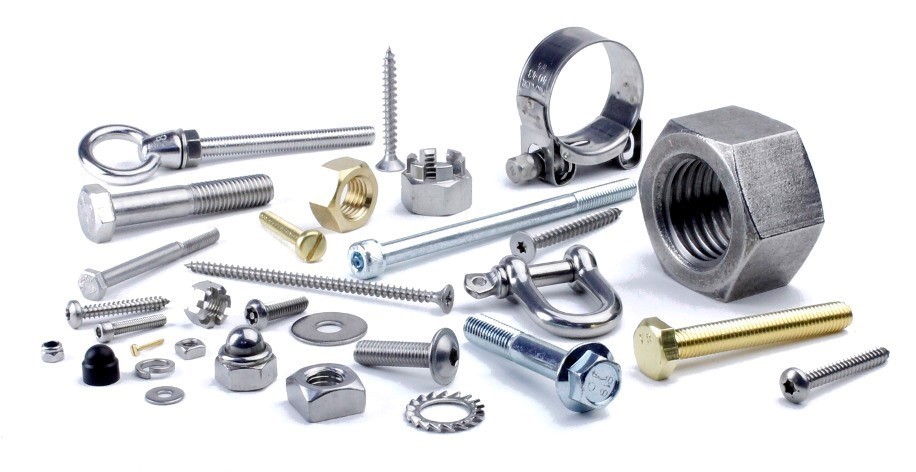
The fasteners manufacturing industry encompasses the production of devices that mechanically join or affix two or more objects together. These include bolts, nuts, screws, rivets, washers, and pins. Each type serves a unique function in various applications, offering mechanical strength and structural stability.
Growing Market Demand and Global Outlook
The global fasteners market was valued at over USD 80 billion in recent years and is projected to reach USD 110 billion by 2030, growing at a steady CAGR. This surge is driven by rapid urbanization, increased construction activities, and the expansion of automotive and electronics sectors, particularly in Asia-Pacific, North America, and Europe.
India, as an emerging industrial hub, has also witnessed an exponential rise in fasteners manufacturing. Government-backed infrastructure development schemes and “Make in India” initiatives further augment the prospects of domestic manufacturers.
Types of Fasteners in Demand
Bolts and Screws
Used extensively in construction, machinery, and automobile manufacturing. Their high tensile strength and corrosion resistance are essential for performance in diverse environmental conditions.
Nuts and Washers
Paired with bolts, these are vital for securing mechanical joints. Their material range—from stainless steel to alloy composites—ensures strength and longevity.
Rivets and Pins
Crucial in sectors like aerospace and shipbuilding. Their reliability and shear strength make them indispensable for heavy-load applications.
Steps to Start a Fasteners Manufacturing Business
1. Market Research and Feasibility Study
Before diving into production, conduct a thorough market analysis. Identify your target industries (automotive, construction, etc.), regional demand, competitor landscape, and pricing strategies.
2. Legal Formalities and Licensing
Register your business under the appropriate structure (LLP, Pvt Ltd, etc.). Secure mandatory licenses including:
- Factory License
- Pollution Control Board Clearance
- GST Registration
- BIS Certification (Bureau of Indian Standards) for specific fastener grades
3. Plant Setup and Machinery
Establish your manufacturing plant in an industrial zone with access to transport and raw materials. Key machinery required includes:
- Cold Heading Machines
- Thread Rolling Machines
- Heat Treatment Furnaces
- Surface Finishing Equipment (Electroplating or Galvanizing units)
- Packaging Machines
Investment ranges between ?50 lakh to ?2 crore, depending on the production scale and level of automation.
4. Raw Material Procurement
High-grade steel, stainless steel, brass, and aluminum are commonly used materials. Build relationships with reliable raw material suppliers to maintain consistent quality and supply.
5. Skilled Labor and Technical Expertise
Hire experienced engineers, machine operators, and quality control personnel. Proper training in CNC-based precision tools and ISO-compliant quality standards is vital for long-term success.
6. Production and Quality Control
Implement strict quality assurance processes. Adherence to ISO 9001 and ISO 898 standards is critical for credibility. Invest in quality control labs for tensile strength testing, hardness checks, and dimension accuracy.
Profit Margins and ROI in Fasteners Manufacturing
The fasteners manufacturing business yields an average gross profit margin of 25–30%, with higher returns in specialized or export-grade products. Custom fasteners or niche-market products (such as aerospace or defense) offer even greater margins.
Break-even can be achieved within 2 to 3 years, especially if the business taps into bulk supply contracts or OEM partnerships.
Export Potential and Global Market Access
India is among the top exporters of industrial fasteners. Markets like USA, UAE, Germany, and UK are key importers. Participation in trade expos like Fastener Fair India or International Hardware Fair Cologne can open gateways to international buyers.
Apply for IEC (Import Export Code) and understand the compliance requirements such as RoHS, REACH, and CE markings to qualify for global markets.
Branding and Marketing for Growth
Digital Presence
Build a professional website showcasing your product catalog, manufacturing capabilities, and certifications. Optimize it for SEO with keywords like fasteners manufacturing, industrial fasteners supplier, and custom fasteners producer.
Social Media & Industrial Portals
Use LinkedIn, IndiaMART, and Alibaba to connect with B2B buyers. Post regular content highlighting your facility, process videos, and customer case studies.
Certifications & Trust Building
Acquire certifications like ISO 14001 (Environmental Management) and OHSAS 18001 (Safety). These build trust with large buyers and government projects.
Sustainability and Innovation in Fasteners Production
Eco-conscious manufacturing is gaining traction. Techniques like zinc-flake coating, lead-free galvanization, and energy-efficient heat treatment help reduce environmental impact while improving brand value.
R&D investment for lightweight fasteners and corrosion-resistant variants can open up new market segments, especially in electric vehicles and offshore construction.
Automation and Industry 4.0 in Fasteners Manufacturing
Integrating smart sensors, IoT-based monitoring, and AI-enabled production planning boosts efficiency and reduces wastage. Real-time data analytics can also ensure consistent quality and predictive maintenance.
Challenges and How to Overcome Them
Price Competition
To remain competitive, focus on value-added services like custom designs, rapid prototyping, or JIT delivery.
Raw Material Volatility
Lock contracts with suppliers or diversify procurement channels to hedge against price swings.
Stringent Global Standards
Stay ahead by regularly upgrading your plant and certifications. Engage with international standardization bodies for awareness.
Why the Fasteners Manufacturing Business is a Smart Choice
- Ever-growing demand from construction, automotive, and aerospace industries
- Export opportunities with high margin potential
- Automation-friendly production for scalable operations
- Eco-friendly innovations attracting global buyers
- Government incentives under MSME and manufacturing schemes
This makes fasteners manufacturing not just a business, but a strategic investment in the future of industrial supply chains.
Conclusion
The fasteners manufacturing business stands as a pillar of industrial development and a lucrative opportunity for entrepreneurs seeking high-growth ventures. With expanding applications across construction, automotive, aerospace, and machinery sectors, the demand for reliable and high-quality fasteners is only expected to rise. By investing in the right infrastructure, maintaining stringent quality standards, and leveraging export potential, businesses in this sector can enjoy sustained profitability and scalability.
Moreover, embracing automation, sustainable practices, and global certifications will position manufacturers as leaders in both domestic and international markets. For those ready to step into this high-demand, resilient industry, fasteners manufacturing offers the perfect blend of innovation, profitability, and long-term relevance.
Visit the page Select and Choose the Right Business Startup for You for sorting out the questions arising in your mind before starting any business and know which start-up you can plan.
We, at NPCS, endeavor to make business selection a simple and convenient step for any entrepreneur/startup. Our expert team, by capitalizing on its dexterity and decade’s long experience in the field, has created a list of profitable ventures for entrepreneurs who wish to diversify or venture. The list so mentioned is updated regularly to give you a regular dose of new emerging opportunities.
FAQs for Fasteners Manufacturing Business Article
FAQ 1: What is the minimum investment required to start a Fasteners Manufacturing business?
The investment required to start a Fasteners Manufacturing business depends on the scale of operations, level of automation, and product range. For a small to mid-sized manufacturing unit, the initial investment typically ranges from ₹50 lakh to ₹2 crore. This includes:
| Investment Component | Estimated Cost |
|---|---|
| Land & Infrastructure | ₹15 – ₹40 lakhs |
| Machinery & Equipment | ₹20 – ₹80 lakhs |
| Raw Materials | ₹5 – ₹15 lakhs |
| Licensing & Compliance | ₹2 – ₹5 lakhs |
| Working Capital | ₹8 – ₹60 lakhs |
Key machinery required includes cold heading machines, thread rolling machines, heat treatment furnaces, surface finishing equipment, and packaging machines. Government schemes like MSME subsidies and Make in India initiatives can help reduce the initial financial burden for your Fasteners Manufacturing venture.
FAQ 2: What licenses and approvals are required for a Fasteners Manufacturing business?
To legally operate a Fasteners Manufacturing business in India, you need several regulatory approvals:
| License/Approval | Authority |
|---|---|
| Factory License | State Labour Department |
| Pollution Control Board Clearance | State Pollution Control Board |
| GST Registration | Central/State Government |
| BIS Certification | Bureau of Indian Standards (for specific fastener grades) |
| UDYAM/MSME Registration | Ministry of Micro, Small & Medium Enterprises |
| Import Export Code (IEC) | DGFT (for exports) |
| Fire NOC | State Fire Department |
Additionally, for global market access, you may need RoHS, REACH, and CE markings compliance. Hiring a compliance consultant can help navigate the regulatory process smoothly for your Fasteners Manufacturing business.
FAQ 3: What types of fasteners can I manufacture in a Fasteners Manufacturing unit?
A Fasteners Manufacturing unit can produce various types of fasteners catering to different industrial applications:
| Fastener Type | Application |
|---|---|
| Bolts and Screws | Construction, machinery, automobile manufacturing |
| Nuts and Washers | Securing mechanical joints, paired with bolts |
| Rivets and Pins | Aerospace, shipbuilding, heavy-load applications |
| Anchors | Concrete and masonry applications |
| Specialty Fasteners | Custom designs for specific industrial needs |
Each category has different technical requirements, material specifications, and target customers. Aligning your Fasteners Manufacturing production capabilities with market demand is key to success.
FAQ 4: What machinery is required for a Fasteners Manufacturing plant?
A Fasteners Manufacturing plant requires specialized machinery and equipment for efficient production:
| Machinery/Equipment | Purpose |
|---|---|
| Cold Heading Machines | Forming fastener heads from wire stock |
| Thread Rolling Machines | Creating threads on bolts and screws |
| Heat Treatment Furnaces | Enhancing strength and durability |
| Surface Finishing Equipment | Electroplating, galvanizing, coating |
| Packaging Machines | Automated packing and labeling |
| Quality Control Equipment | Tensile testing, hardness checking, dimension accuracy |
| CNC Precision Tools | High-precision machining |
Automated and semi-automated options are available depending on your investment capacity. Investing in modern machinery improves efficiency, product quality, and output consistency in your Fasteners Manufacturing unit.
FAQ 5: How profitable is a Fasteners Manufacturing business?
A Fasteners Manufacturing business offers excellent profit potential due to consistent industrial demand:
| Financial Metric | Value |
|---|---|
| Gross Profit Margins | 25–30% |
| Specialized/Export Products | 35–40%+ |
| Break-even Period | 2–3 years |
| ROI Timeline | 3–5 years |
Key factors driving profitability include:
- High Margins – Custom and specialty fasteners offer higher profit margins
- Recurring Demand – Construction, automotive, and aerospace industries require fasteners regularly
- Export Opportunities – International markets offer premium pricing
- Government Incentives – Subsidies under MSME and manufacturing schemes
With proper planning and operational efficiency, a Fasteners Manufacturing venture can generate substantial returns.
FAQ 6: What raw materials are needed for a Fasteners Manufacturing business?
A Fasteners Manufacturing unit requires the following primary raw materials:
| Raw Material | Application |
|---|---|
| High-Grade Steel | Most common material for general-purpose fasteners |
| Stainless Steel | Corrosion-resistant fasteners |
| Brass | Decorative and electrical applications |
| Aluminum | Lightweight applications |
| Alloy Composites | High-strength, specialized applications |
| Coating Materials | Zinc, nickel, chromium for surface finishing |
Building relationships with reliable raw material suppliers and maintaining supplier diversification helps manage price volatility in the Fasteners Manufacturing industry.
FAQ 7: Who are the target customers for a Fasteners Manufacturing business?
The customer base for a Fasteners Manufacturing business is diverse and includes:
| Customer Category | Examples |
|---|---|
| Automotive Industry | Car manufacturers, auto component suppliers |
| Construction Companies | Builders, infrastructure developers |
| Machinery Manufacturers | Industrial equipment producers |
| Aerospace Industry | Aircraft manufacturers, defense suppliers |
| Electronics Industry | Consumer electronics, telecom equipment makers |
| Shipbuilding Industry | Shipyards, marine equipment suppliers |
| Export Buyers | USA, UAE, Germany, UK markets |
Additionally, government departments, railways, and renewable energy companies are significant buyers. Building strong relationships through quality products and reliable delivery is crucial for success in the Fasteners Manufacturing business.
FAQ 8: What are the emerging trends in the Fasteners Manufacturing industry?
To stay competitive in the Fasteners Manufacturing industry, it’s important to keep up with these trends:
| Trend | Impact |
|---|---|
| Eco-Friendly Coatings | Zinc-flake coating, lead-free galvanization |
| Lightweight Fasteners | Electric vehicles, aerospace applications |
| Corrosion-Resistant Variants | Offshore construction, marine applications |
| Automation & Industry 4.0 | Smart sensors, IoT monitoring, AI-enabled production |
| Sustainable Manufacturing | Energy-efficient heat treatment, reduced waste |
| Custom & Specialty Fasteners | High-margin niche products |
| Digital Supply Chains | Real-time tracking, predictive maintenance |
Investing in R&D, adopting innovative technologies, and staying ahead of industry standards can give your Fasteners Manufacturing business a competitive edge and position you as an industry leader.