In today’s fast-paced food economy, additives play a big role in what we eat. These include preservatives, colours, and flavour agents. The global food additives industry has grown rapidly due to rising demand for packaged, processed, and ready-to-eat foods. These additives not only enhance taste and texture but also ensure longer shelf life. As health awareness grows, clean-label additives and natural ingredients are gaining popularity.
What Drives the Food Additives Industry?
Consumer preferences have changed. People want food that tastes good and stays fresh. At the same time, they prefer natural and safe ingredients. The food additives industry has responded to this demand. Natural additives like beet juice for colour or rosemary extract for preservation are now widely used.
See Also – Start Meat Processing Business
Furthermore, the rise of urbanisation and working professionals has driven demand for ready-to-cook and processed food. Additives help these foods stay usable and appealing. With a growing population and changing lifestyles, the food additives industry continues to expand.
Governments worldwide have enforced safety guidelines. Additives used in the food industry must follow strict safety and health standards. Regulatory bodies like FSSAI (India), FDA (USA), and EFSA (Europe) closely monitor these ingredients.
Types of Food Additives
The food additives industry includes a wide range of products. Let’s look at some major categories:
Preservatives: These increase shelf life and prevent spoilage. Examples include sodium benzoate and potassium sorbate.
Colouring Agents: These improve visual appeal. Synthetic colours are being replaced with natural options like turmeric, beetroot, and paprika extract.
Flavour Enhancers: These make food taste better. Monosodium glutamate (MSG) is a well-known example.
Emulsifiers and Stabilizers: These improve texture. They prevent separation in products like mayonnaise or ice cream.
Sweeteners: Artificial sweeteners like aspartame are used in low-calorie products. Stevia and monk fruit are rising as natural alternatives.
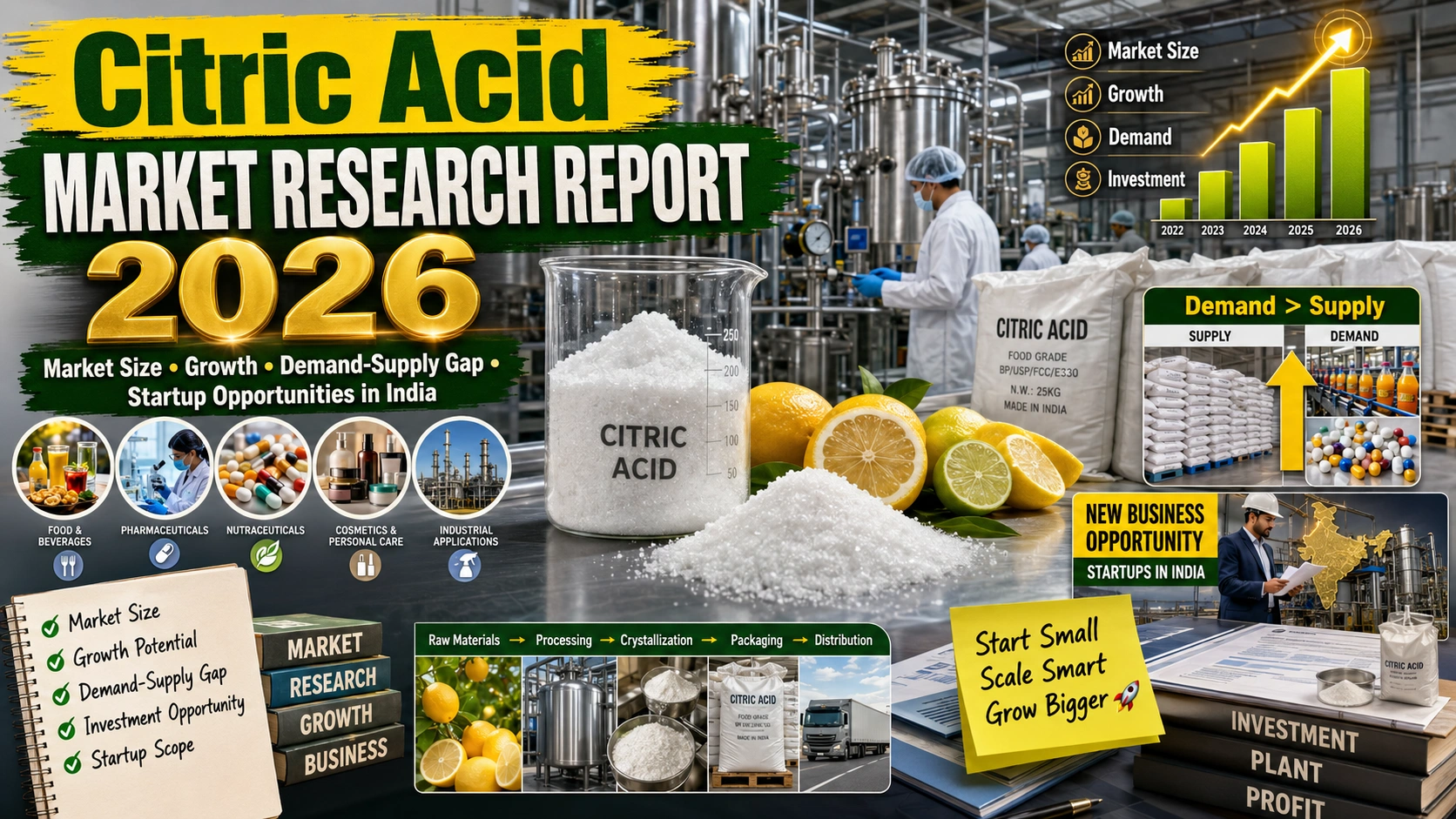
Acidulants and pH Regulators: Citric acid is commonly added for tartness and acidity control.
Each additive must be used in permissible limits. Overuse can harm health or degrade product quality. Therefore, industry professionals follow strict guidelines.
Natural vs Synthetic Additives
Natural additives are derived from plants, minerals, or animals. Synthetic ones are created through chemical processes. Many companies now favour natural additives to meet the demand for healthy food products.
Natural food colours, for example, are extracted from vegetables and fruits. Paprika gives a red hue, while chlorophyll adds green. These are considered safer and eco-friendly. The food additives industry is investing more in natural solutions due to consumer awareness and regulatory pressure.
Key Applications of Additives
Additives serve different roles across food categories. In baked goods, they enhance softness and shelf life. In dairy products, they improve consistency and flavour. Soft drinks and juices use additives for colour and taste. Even health supplements and baby food require safe, approved additives.
Processed meat uses preservatives like nitrites. Cereals and snacks often include flavouring agents and sweeteners. Without additives, these products would spoil or lose appeal. The food additives industry ensures that manufacturers can deliver consistent quality to consumers.
Challenges in the Food Additives Industry
Despite growth, the food additives industry faces some key hurdles:
Health Concerns: Some synthetic additives have raised safety issues. For example, artificial colours have been linked to hyperactivity in children.
Consumer Mistrust: People often fear “chemicals” in food. This leads to negative perceptions of additives, even when safe.
Cost of Natural Additives: Natural options are more expensive. Companies must balance quality, cost, and consumer trust.
Changing Regulations: Food laws often vary by country. This makes global production and exports more complex.
To address these, companies invest in research and testing. Transparency in labelling also helps build consumer confidence. The food additives industry continues to evolve with science and public demand.
Role of Technology and Innovation
Innovation drives the future of the food additives industry. Advanced technologies help extract, test, and develop safer, more effective additives. Biotechnology, nanotechnology, and enzyme engineering have opened new possibilities.
For example, microencapsulation helps improve flavour release. Natural preservatives with antimicrobial properties are being tested. Data-driven R&D ensures that additives are safe, effective, and aligned with market trends.
Artificial intelligence now helps companies track ingredient performance and customer preferences. As a result, the food additives industry grows smarter and more sustainable each year.
Market Trends and Growth
According to recent data, the global food additives market is expected to reach over USD 100 billion in the next few years. Asia-Pacific leads growth due to rapid urbanisation and food processing demand. India, China, and Southeast Asia are major contributors.
Clean-label and organic trends have pushed manufacturers to adopt eco-friendly and health-conscious additives. Functional foods that offer added health benefits also drive demand.
Startups and established companies alike are innovating with plant-based, non-GMO, and allergen-free additives. As the food additives industry matures, these trends will shape its future.
Starting a Business in the Food Additives Industry
If you’re planning to enter this industry, a few steps can guide your journey:
Market Research: Understand demand, competitors, and regulatory landscape.
Licensing & Compliance: Obtain FSSAI registration and ensure all products follow national and international food safety rules.
Raw Material Procurement: Choose high-quality natural or synthetic raw ingredients from verified suppliers.
Setup and Machinery: Invest in mixing, drying, and packaging equipment. Automation improves efficiency.
Lab Testing: Ensure product safety and efficacy through chemical and microbiological tests.
Packaging & Branding: Use safe, leak-proof packaging. Clear labelling helps build trust and compliance.
Marketing Strategy: Highlight benefits, safety, and innovation. Collaborate with food brands, manufacturers, and wholesalers.
A well-structured business plan and quality control can help secure long-term success in this dynamic market.
See Also – Dyestuff Business
Final Thoughts
The food additives industry continues to grow as new flavours, colours, and health-conscious options emerge. With innovation and strict safety standards, this sector supports both manufacturers and consumers. Businesses entering this field must focus on quality, transparency, and sustainability.
The next time you enjoy a snack or soft drink, remember—behind the taste and shelf life lies the silent force of the food additives industry.