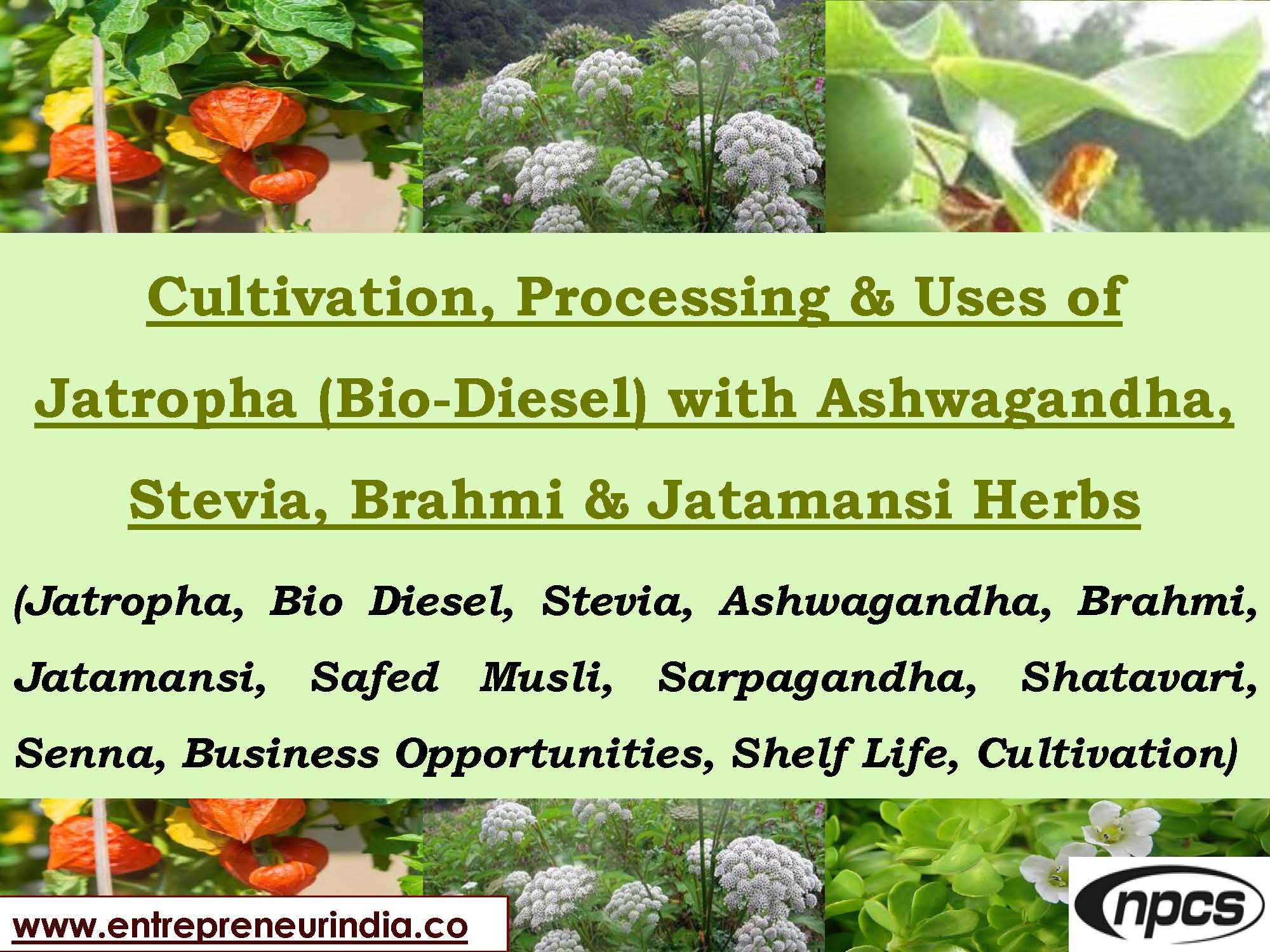
As the world shifts toward sustainable agriculture and clean energy, Jatropha & Herbal Farming is emerging as a dual-purpose opportunity—producing both biofuel and medicinal crops. Jatropha, a drought-resistant plant, offers oil-rich seeds for biodiesel production, while a variety of herbs like tulsi, ashwagandha, and aloe vera serve traditional and modern medicine markets. Moreover, this type of farming is ideal for degraded or unused land, supporting both environmental restoration and rural income. With low input requirements and growing demand, Jatropha and herbal farming is fast becoming a profitable and sustainable agribusiness choice for Indian entrepreneurs.
Jatropha & Herbal Farming | Biofuel & Medicinal Uses
The cultivation of Jatropha and medicinal herbs holds the potential to diversify agricultural income, rehabilitate barren land, and support eco-friendly industries. Let’s explore the methods, benefits, and future scope of Jatropha & Herbal Farming.
See Also : Dyestuff & Pigment Projects
What Is Jatropha Farming?
Jatropha curcas is a hardy, non-edible oilseed plant native to Central America but widely cultivated in India and Africa. It thrives in poor soil and semi-arid climates.
Key characteristics:
Grows on marginal land
High oil content (30–40% in seeds)
Lifespan of over 40 years
Requires minimal water and fertilizer
Jatropha seeds are processed to extract oil used in biofuel production, primarily biodiesel. The remaining seedcake serves as organic fertilizer or biomass fuel.
Moreover, Jatropha cultivation requires fewer pesticides, making it environment-friendly and cost-effective for farmers.
Herbal Farming: Profitable & In Demand
India has a rich tradition of using herbs in Ayurvedic, Unani, and Siddha systems. Herbal farming involves cultivating medicinal and aromatic plants (MAPs) like:
Tulsi (Holy Basil)
Ashwagandha
Brahmi
Aloe Vera
Lemongrass
Kalmegh
Giloy
These herbs are in high demand by pharmaceutical, cosmetic, food, and wellness industries. Moreover, the export potential of Indian herbs continues to rise due to global interest in natural remedies.
With government support and buyer networks, herbal farming can generate steady revenue even on small landholdings.
Cultivation Practices
Jatropha Farming:
Climate: Grows well in semi-arid regions
Soil: Sandy or rocky soil with good drainage
Spacing: 2m x 2m for optimal growth
Irrigation: Minimal after initial establishment
Harvest: Begins in the second year; peak yield from year 4 onwards
Herbal Farming:
Each herb has unique requirements, but generally:
Soil: Fertile loamy or red soil with good organic content
Water: Moderate irrigation, depending on the plant
Maintenance: Regular weeding and pruning
Harvesting: Varies from 3 months (lemongrass) to over a year (ashwagandha)
Moreover, adopting organic practices enhances value and marketability.
Processing & Value Addition
For Jatropha:
Oil Extraction: Seeds are crushed to extract oil using expellers.
Transesterification: Converts crude oil into biodiesel.
By-products: Seedcake (fertilizer), glycerin (used in soap/cosmetics)
For Herbs:
Drying: Herbs are sun-dried or air-dried to retain medicinal value.
Extraction: Essential oils and active ingredients are processed using distillation or solvent extraction.
Packaging: Proper drying and packaging increase shelf life and product quality.
Moreover, setting up a processing unit adds value and increases profitability for local farmers.
Economic Benefits
Jatropha & Herbal Farming offers several financial advantages:
Low input cost: Requires minimal fertilizer and pesticide
Long-term income: Jatropha yields for decades; herbs can be multi-seasonal
Multiple revenue streams: Biodiesel, oil, biomass, dried herbs, essential oils
Government schemes: Support via subsidies, technical training, and market linkages
Export potential: India exports a large volume of herbs and essential oils
Moreover, combining both farming types allows farmers to diversify income while utilizing marginal lands effectively.
Environmental Benefits
Soil regeneration: Jatropha roots bind soil and prevent erosion
Carbon neutrality: Biodiesel from Jatropha reduces greenhouse gas emissions
Water conservation: Low water requirement compared to conventional crops
Zero waste model: All parts of the Jatropha plant and most herbs are usable
Promotes biodiversity: Herbal farms encourage native plant and pollinator species
Moreover, these benefits align with national sustainability goals and ESG-focused agriculture.
Market Demand & Buyer Network
Demand is increasing for both Jatropha-based biodiesel and herbal products:
Biodiesel: Used in transport, energy generation, and agriculture
Herbs: In demand by FMCG, ayurvedic brands, nutraceutical companies, and spas
Farmers can sell to:
Local processors
Herbal cooperatives
Essential oil manufacturers
Exporters and online herbal marketplaces
Moreover, contract farming opportunities are available with companies like Patanjali, Dabur, Himalaya, and others.
Challenges & Solutions
Challenges:
Market linkage and pricing fluctuations
Initial setup and training required
Limited awareness of government support
Long gestation period (for Jatropha)
Solutions:
Join herbal grower cooperatives or FPOs
Use intercropping methods to earn during Jatropha’s early years
Attend Krishi Vigyan Kendra (KVK) workshops for training
Apply for schemes like National Medicinal Plants Board (NMPB) grants
Moreover, digital platforms now help farmers access real-time pricing and buyer connections.
Government Support
The government actively supports Jatropha & Herbal Farming through various programs:
National Mission on Biodiesel (Jatropha)
National AYUSH Mission
NMPB Assistance for Medicinal Plants
Subsidies for Distillation Units and Nurseries
Training Programs by ICAR and KVKs
Moreover, many state governments offer additional financial aid for nursery development and cultivation support.
Read More :cold chain systems
Conclusion
Jatropha & Herbal Farming is a sustainable, high-potential business model for Indian farmers and entrepreneurs. From generating biodiesel to supplying medicinal plants for growing wellness industries, this dual farming method optimizes land use and boosts income. Moreover, with proper training, buyer linkages, and value addition, it can transform rural livelihoods and support India’s green economy mission.
Whether you have 1 acre or 100, integrating Jatropha and herbal crops can yield long-term profits while restoring the environment—making it a future-ready choice for agriculture in India.