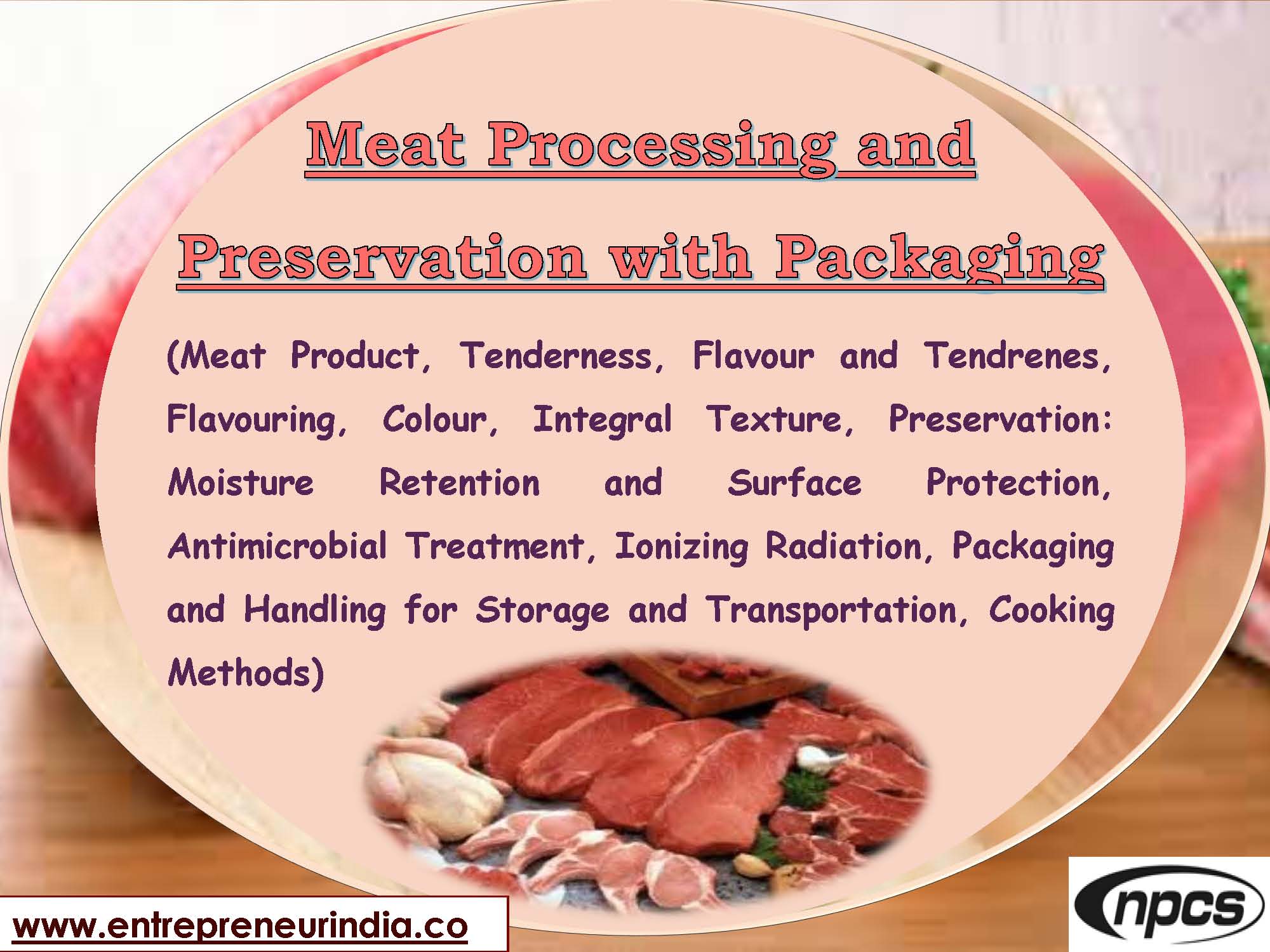
In today’s food industry, Meat Processing plays a vital role in ensuring safe, quality, and long-lasting meat products. With the growing demand for packaged, ready-to-cook, and hygienic meat, the sector has evolved into a highly organized and regulated industry. Consumers expect tenderness, extended shelf life, and consistent flavor—all of which rely on efficient processing techniques. Moreover, rising urbanization, changing food habits, and an increase in cold chain infrastructure have boosted meat consumption across the country. As a result, entrepreneurs and food technologists are investing in advanced Meat Processing units that focus on quality, safety, and preservation.
Meat Processing & Packaging | Tenderness & Preservation
Efficient Meat Processing ensures that raw meat is converted into safe, palatable, and market-ready products. This section covers the steps, technologies, and strategies involved in meat handling, tenderness retention, and packaging for shelf life extension.
See Also : Cold Storage
Pre-Processing & Slaughterhouse Standards
The first step in Meat Processing begins at the slaughterhouse, where animal welfare, hygiene, and cleanliness are top priorities. Animals must be handled in stress-free conditions to prevent biochemical reactions that affect meat tenderness.
Moreover, proper stunning, bleeding, skinning, and evisceration techniques reduce contamination risks. Carcasses are inspected, cleaned, and stored at appropriate temperatures to avoid microbial growth.
All these actions ensure that the meat entering the processing line is of high quality, safe, and compliant with FSSAI and international food safety standards.
Chilling, Ageing & Tenderness Control
Tenderness is one of the most critical attributes of meat quality. In Meat Processing, the ageing or conditioning of meat at controlled temperatures allows natural enzymes to break down muscle fibers, making the meat more tender and flavorful.
Chilling systems such as blast chillers or vacuum chillers are used to bring down the temperature of carcasses quickly. This minimizes bacterial activity and locks in freshness.
Moreover, tenderization techniques like mechanical blade tenderizing, enzymatic treatments, and electrical stimulation are used to enhance the texture of tougher cuts.
Cutting, Deboning & Value Addition
Once aged and chilled, meat moves into the cutting and deboning section. Butchers and machines segment carcasses into wholesale and retail cuts—such as steaks, chops, fillets, or minced meat.
Value addition plays a big role in the profitability of Meat Processing businesses. Products such as sausages, kebabs, nuggets, and meatballs are created using advanced mixing, mincing, and forming equipment.
Moreover, marination and seasoning enhance flavor while catering to specific regional tastes. This helps processors serve both traditional and modern culinary markets.
Packaging Technology for Extended Shelf Life
Packaging is not just about appearance—it directly impacts shelf life and food safety. In Meat Processing, vacuum packaging and Modified Atmosphere Packaging (MAP) are commonly used to inhibit microbial growth and oxidation.
Vacuum-sealed packs remove air to prevent spoilage, while MAP uses nitrogen, oxygen, and carbon dioxide in specific ratios to preserve freshness. These methods maintain the meat’s color, moisture, and texture.
Moreover, packaging labels provide essential information such as product name, weight, storage temperature, use-by date, and FSSAI license number, ensuring compliance and consumer trust.
Cold Chain Logistics & Storage
Processed meat must be kept at specific temperatures during transportation and storage. Cold chain logistics ensure that the temperature remains consistent from plant to market.
Refrigerated vans, insulated boxes, and cold rooms help maintain the meat’s integrity until it reaches the retailer or end-user. This is especially critical for exports and large-scale distribution networks.
Moreover, real-time temperature tracking and digital monitoring systems have been integrated into many modern Meat Processing supply chains to ensure traceability and food safety compliance.
Hygiene, Safety & Certification
Food safety is non-negotiable in the meat industry. Regular cleaning of processing areas, disinfection of machinery, and employee hygiene practices are mandatory.
Meat processing units often undergo audits for certifications such as:
FSSAI License (India)
HACCP (Hazard Analysis and Critical Control Points)
ISO 22000 (Food Safety Management System)
Halal and/or Kosher Certification (as per market demand)
Moreover, waste management practices such as by-product utilization and proper effluent treatment reduce the environmental impact and maintain legal compliance.
Market Trends & Business Potential
The Indian meat sector is witnessing rapid growth, fueled by changing consumption patterns, rise in disposable income, and awareness about protein-rich diets.
Chicken is the most consumed due to its affordability and adaptability to recipes.
Goat meat (mutton) commands a premium, especially in urban markets.
Processed meats like cold cuts, ham, and sausages are gaining ground in metro cities.
Moreover, entrepreneurs setting up Meat Processing plants can explore multiple sales channels such as retail chains, cloud kitchens, hotels, and export markets.
Read More :Paper Composite Can
Conclusion
The Meat Processing industry stands at the crossroads of tradition and technology. It brings together hygiene, flavor, tenderness, and packaging innovation to meet modern consumer expectations. With rising demand for high-quality, ready-to-cook products and increasing awareness around food safety, investing in this sector offers long-term potential. Moreover, government support for cold chain infrastructure and export promotion makes it a viable and scalable business. Entrepreneurs with technical know-how and a commitment to quality can build a successful brand in the ever-evolving meat sector.