Sustainable packaging is no longer a trend—it’s a necessity. As brands move away from plastic, materials like cardboard, tin, and biodegradable compounds are taking center stage. One such innovative and profitable solution is the Paper Composite Can. This cylindrical packaging format, made by combining multiple layers of paperboard, foil, and plastic or metal ends, is widely used in food, cosmetics, pharmaceuticals, and industrial sectors. Moreover, with consumers preferring eco-friendly and recyclable packaging, investing in Paper Composite Can manufacturing can be a rewarding opportunity for startups and MSMEs.
Paper Composite Can Manufacturing | Packaging Business
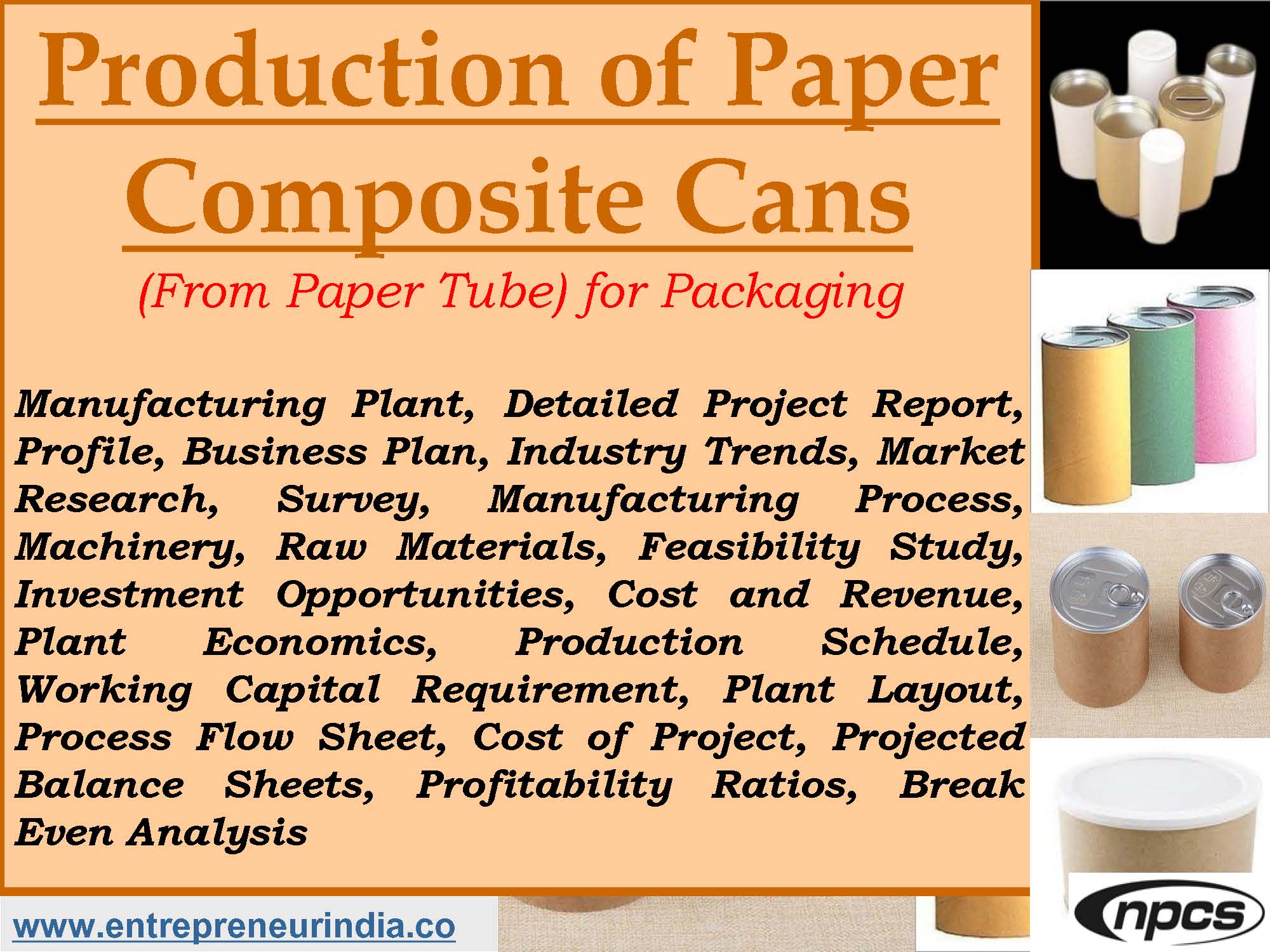
The Paper Composite Can is a hybrid packaging container that combines the flexibility of paper with the strength of tin or plastic. It typically consists of multiple layers—a kraft paper outer body, a foil or plastic lining for barrier protection, and metal or plastic lids for sealing. These cans are used for products like snacks, tea, coffee, protein powders, cosmetics, toys, and even seeds. Moreover, their cylindrical shape and customizable branding make them attractive on retail shelves.
See Also :Ayurvedic Medicine Manufacturing
Materials Used in Manufacturing
The can’s construction involves several types of raw materials, including:
Kraft paper or board
Aluminum foil or metallized polyester film (for barrier)
Polyethylene or polypropylene film (inner lining)
Plastic or tinplate end caps
Adhesives (water or solvent-based)
These materials are layered and bonded using spiral or convolute winding methods. Moreover, recycled paper can also be used to improve sustainability.
Machinery and Production Process
Setting up a Paper Composite Can unit requires semi-automatic or fully automatic machines based on your capacity. The process typically includes:
Core winding machine: Winds kraft paper into a cylindrical tube
Laminating machine: Bonds foil, film, or printed paper to outer layers
Cutting machine: Cuts cans to required length
End-capping machine: Seals one or both ends
Printing or labeling machine: Adds branding or design
Moreover, quality control units are essential to check dimensions, compression strength, and sealing.
Types of Paper Composite Cans
You can manufacture various designs depending on the target market:
Full-open can: With removable top lid—used for snacks and powders
Spout cans: With dispensing nozzles—used for oils or liquids
Window cans: Transparent window to showcase product
Decorative cans: Premium packaging for gifts or cosmetics
Moreover, cans can be produced in various diameters and heights to suit product requirements.
Investment and Profitability
Setting up a Paper Composite Can manufacturing unit involves moderate investment. Here’s a general breakdown:
| Setup Type | Investment (INR) | Monthly Profit Potential |
|---|---|---|
| Small-scale unit | ?10–15 lakhs | ?60,000 – ?1.5 lakhs |
| Medium-scale plant | ?25–40 lakhs | ?2 – ?3 lakhs |
| Fully-automated plant | ?60+ lakhs | ?4 – ?6 lakhs |
Legal Requirements
To legally operate this business in India, you need:
Udyam (MSME) registration
GST registration
Factory license (for medium-scale setups)
Pollution Control Board clearance
BIS certification (optional but useful for food-grade packaging)
Moreover, ISO 9001 and HACCP certifications can enhance trust, especially for food packaging clients.
Applications and Target Markets
The versatility of Paper Composite Cans makes them ideal for:
Dry foods: Tea, coffee, dry fruits, cereals, protein powders
Industrial: Seeds, lubricants, adhesives
Cosmetics: Creams, powders, spa kits
Gifts and novelties: Chocolates, perfumes, decor items
Moreover, bulk orders from FMCG brands, exporters, and e-commerce sellers can ensure stable income.
Packaging and Branding Advantage
These cans offer several marketing advantages:
Attractive 360° label space
Tamper-proof and resealable options
Premium appeal without high cost
Eco-friendly messaging boosts consumer trust
Moreover, printed paper labels or direct printing can help customize for seasonal promotions or private label clients.
Export and Wholesale Opportunities
India’s growing paper industry and skilled labor make it a strong base for exporting Paper Composite Cans. You can export to:
Southeast Asia
Middle East
Africa
Europe (with biodegradable versions)
Moreover, participating in packaging expos and listing your product on B2B portals like IndiaMART and Alibaba can open global doors.
Read Also :Detergent Business
Conclusion
The Paper Composite Can is more than just packaging—it’s a smart business opportunity aligned with today’s environmental consciousness and market needs. With rising bans on single-use plastics and increasing FMCG demand, the scope for this packaging solution is vast. Moreover, low production cost, versatile applications, and growing global interest make this a profitable venture for manufacturers and packaging entrepreneurs. With the right strategy, investment, and quality assurance, this business can offer long-term, sustainable growth.