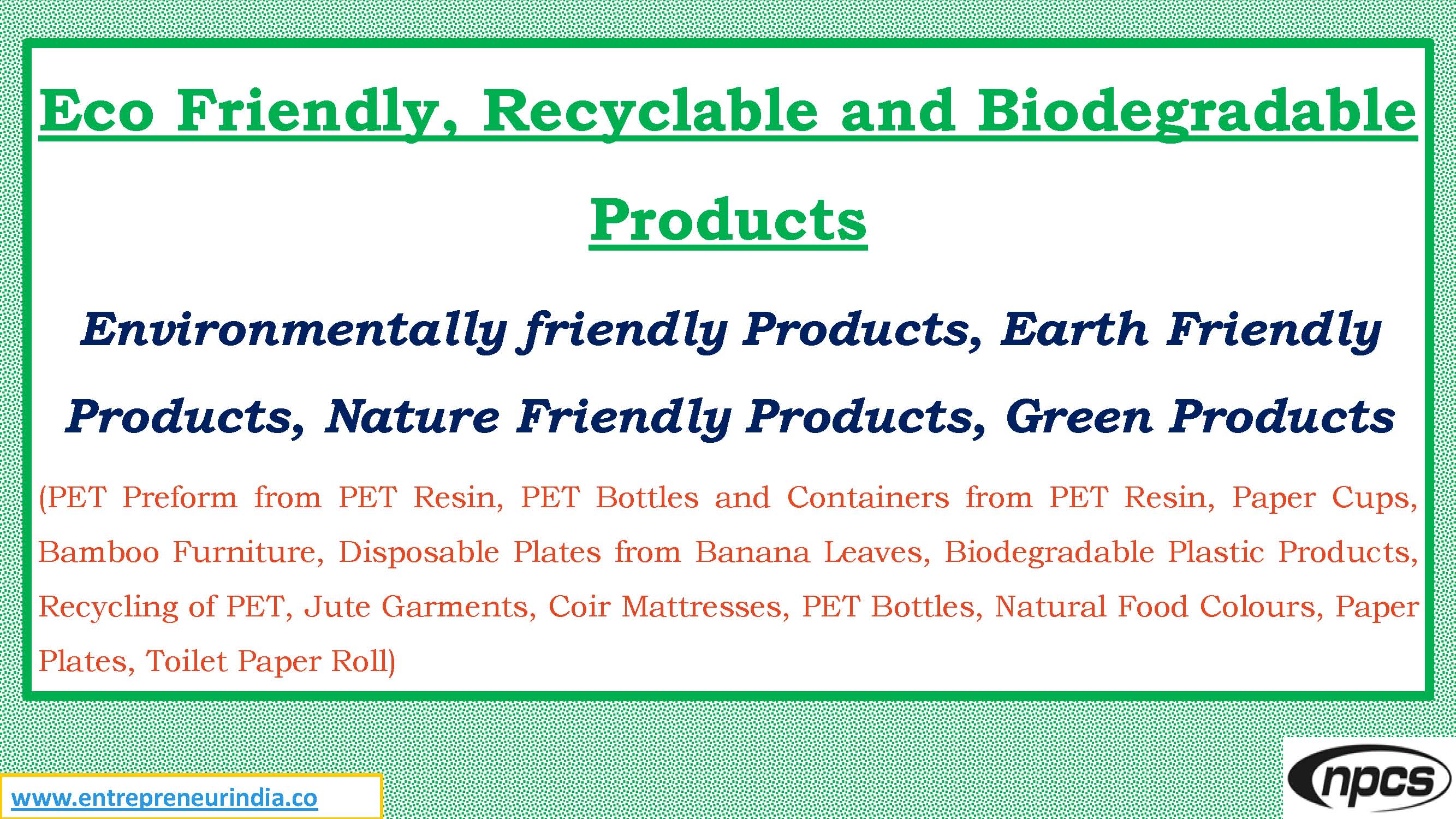
With rising awareness about plastic pollution, climate change, and sustainability, the demand for biodegradable products is growing rapidly across the globe. Governments are enforcing bans on single-use plastics, consumers are shifting toward eco-conscious brands, and industries are adopting green packaging. As a result, starting a business that manufactures or sells eco-friendly and biodegradable products is not just good for the planet—it’s also a smart and future-proof business idea.
Eco-Friendly & Biodegradable Products | Green Business Idea
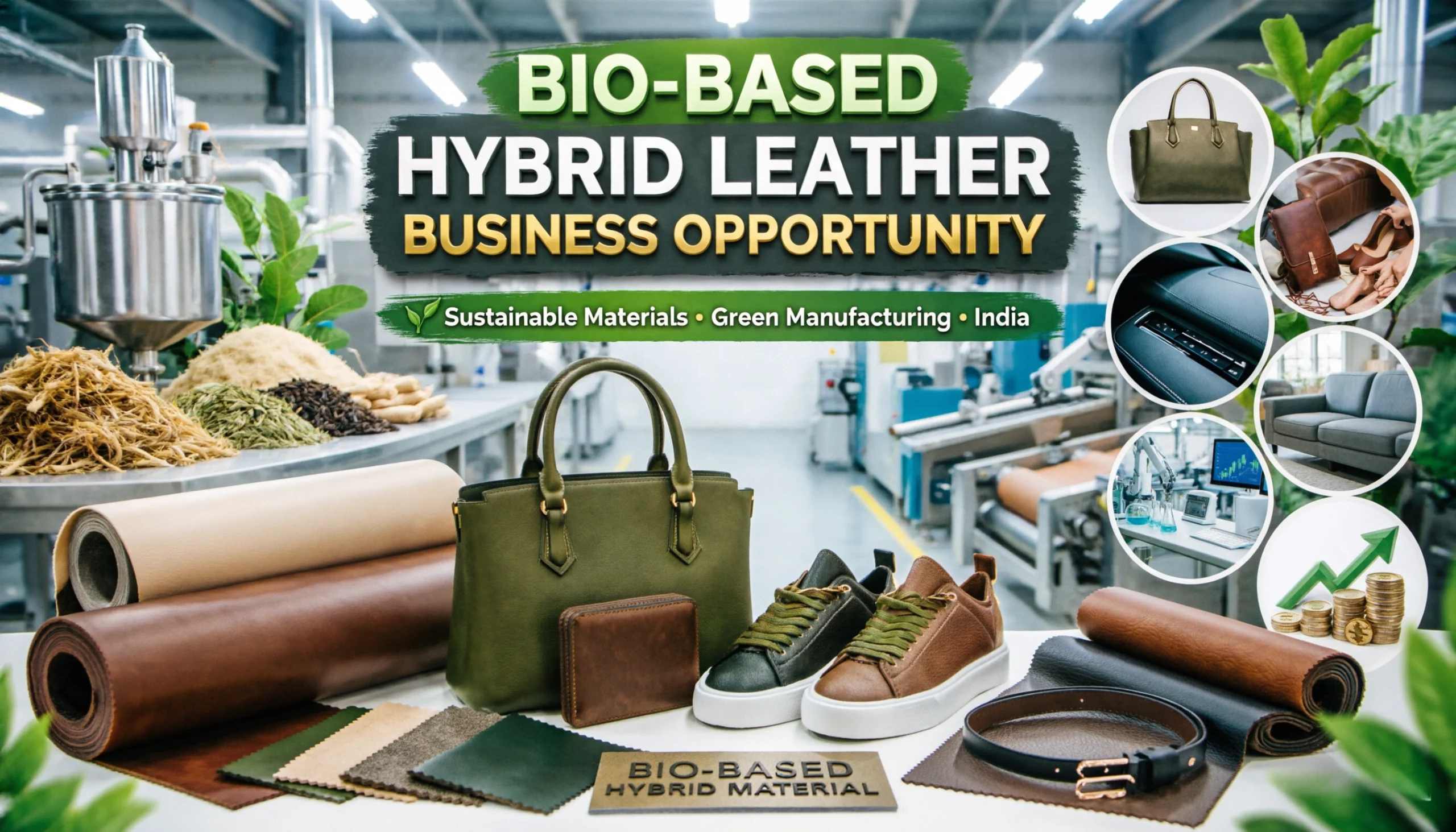
Biodegradable products are made from natural materials that decompose safely into the environment without leaving harmful residues. These items break down with the help of bacteria, fungi, or other natural organisms within a short time. Whether it’s packaging, tableware, hygiene products, or textiles, biodegradable alternatives are replacing conventional plastic and synthetic materials across sectors. Moreover, with the rising popularity of zero-waste living and green entrepreneurship, this market is booming with opportunities.
See Also :Profitable Manufacturing & Processing Ideas in Jharkhand
Types of Biodegradable Products You Can Manufacture
The range of biodegradable products you can create or sell includes:
Tableware: Plates, bowls, spoons, and cups made from sugarcane bagasse, bamboo, or areca leaves
Carry bags and packaging: Compostable grocery bags, mailers, and wrappers made from corn starch or jute
Sanitary items: Organic sanitary pads, diapers, and wipes made from bamboo or cotton pulp
Cutlery and straws: Made from rice husk, wheat bran, or PLA (polylactic acid)
Toothbrushes and combs: Crafted from wood, bamboo, or wheat straw plastic
Biodegradable garbage bags: Used in households, hotels, and hospitals
Plant-based bottles and containers: Replacing PET bottles in packaging
Moreover, these products cater to both B2B (restaurants, hotels, corporates) and B2C (eco-conscious consumers) segments.
Raw Materials and Their Sourcing
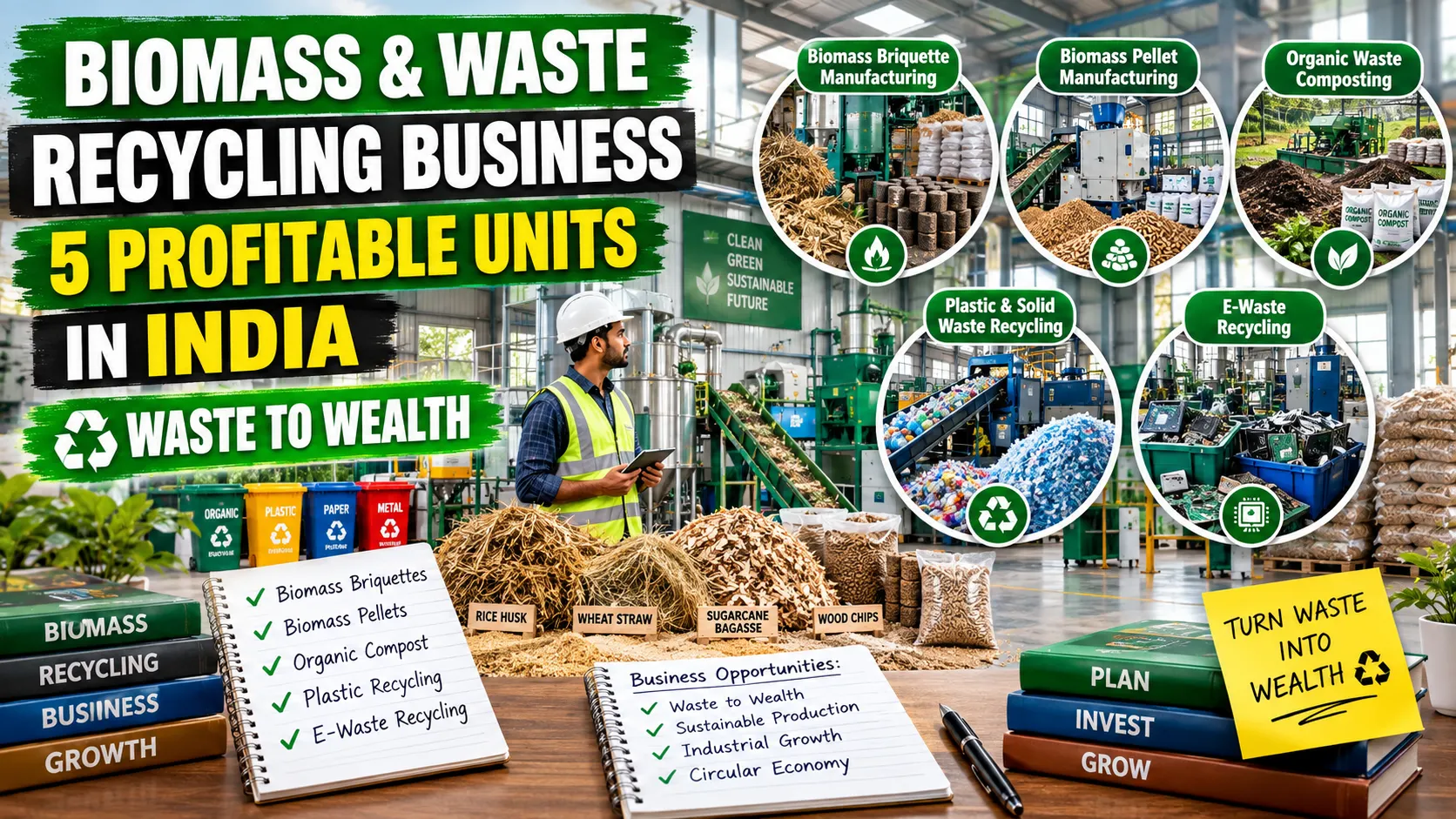
Most biodegradable products are made using plant-based or organic waste materials, such as:
Corn starch
Bagasse (sugarcane waste)
Areca palm leaves
Bamboo fiber
Banana leaves
Rice husk
Paper pulp
Coconut coir
Jute and cotton
Moreover, India, with its agricultural abundance, offers easy and affordable access to these raw materials, making local production viable and sustainable.
Manufacturing Process Overview
Though the process depends on the product type, a typical biodegradable manufacturing workflow includes:
Raw material preparation – Washing, grinding, or pulping organic waste
Molding or pressing – Shaping material into trays, plates, or sheets using heat and pressure
Drying and cooling – Removing moisture for durability
Trimming and finishing – Cutting edges and quality checking
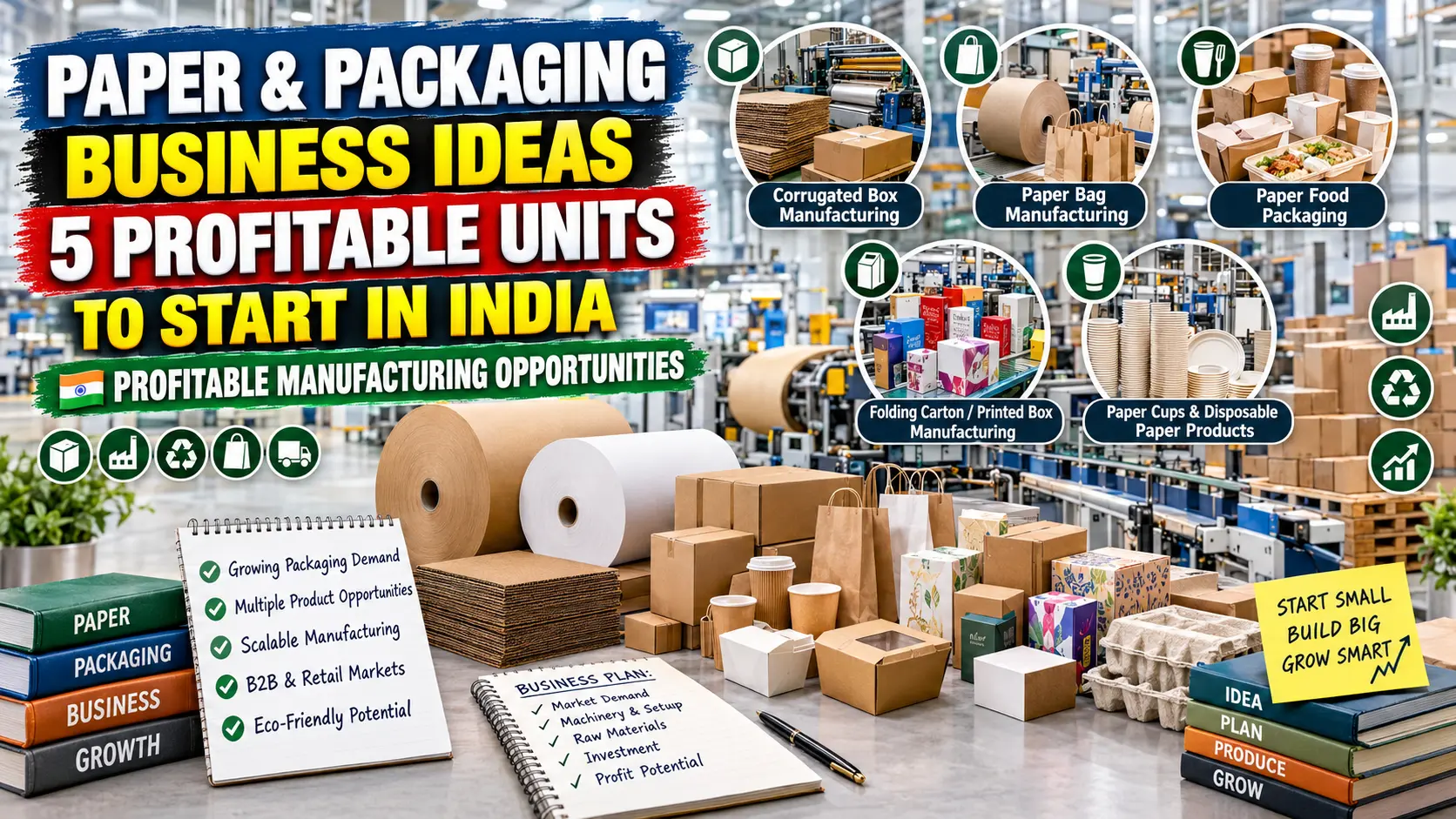
Packaging – Using eco-friendly packaging material like kraft paper or compostable film
Moreover, certain advanced products like biodegradable films or PLA items require extrusion or blow-molding equipment.
Machinery Required
Based on the type of biodegradable products, your plant may require:
Hydraulic or thermoforming machines
Bagasse or pulp molding machines
Biodegradable bag-making machines
Corn-starch film extruders
Cutting, trimming, and sealing units
Compostable printing and labeling systems
Moreover, setting up a clean, dust-free space and maintaining hygiene standards is crucial, especially for food-grade and sanitary items.
Investment and Profit Potential
The cost of setting up a biodegradable products business depends on scale, product range, and automation:
| Business Type | Investment (INR) | Monthly Profit Potential |
|---|---|---|
| Home-based unit (tableware) | ?5 – ?10 lakhs | ?30,000 – ?70,000 |
| Semi-automated plant | ?15 – ?30 lakhs | ?80,000 – ?2 lakhs |
| Large-scale facility | ?50 lakhs – ?1.5 crores | ?2 – ?5 lakhs |
Moreover, as environmental regulations tighten, premium customers and exporters offer even better profit margins for eco-certified products.
Target Markets and Sales Channels
You can sell biodegradable products to:
Restaurants and cafes (takeaway containers, straws)
Hotels and resorts (eco-friendly amenities)
Supermarkets and organic stores (B2C packaging)
E-commerce platforms (Amazon, Flipkart, niche eco sites)
Corporate gifting or promotional eco kits
Exporters and international buyers (especially in EU and USA)
Moreover, partnerships with NGOs, green events, and government institutions can help you build strong recurring orders.
Branding and Differentiation
To stand out in the growing eco-market:
Use minimal, recyclable packaging
Highlight certifications like ISO, BPI, or Compostable India Standard
Educate consumers through storytelling (farm-to-product, sustainable sourcing)
Offer reusable or multi-functional designs
Focus on zero-plastic or zero-waste processes
Moreover, branding your business with sustainability goals (like plastic offset or tree planting) builds customer trust and loyalty.
Government Support and Incentives
India offers various schemes and support for eco-friendly startups:
MSME registration with access to capital subsidy
Start-up India benefits like tax exemptions and funding access
PMEGP and Stand-Up India loans for women and first-time entrepreneurs
Pollution Control Board approvals for green units are easier to obtain
Export incentives under RoDTEP for certified products
Moreover, state-level policies in Maharashtra, Kerala, and Tamil Nadu actively encourage compostable alternatives and biodegradable production zones.
Legal Requirements and Certifications
To start your biodegradable products venture legally, you’ll need:
Udyam/MSME registration
GST registration
Pollution Control Board NOC (especially for manufacturing units)
ISO 14001 (for environmental management)
CPCB or CIPET certification (for compostable plastic items)
FSSAI registration (for food contact products)
Moreover, certifications like OK Compost, TUV Austria, or USDA Biobased boost your credibility in global markets.
Read Also :How to Manufacture Potato Flakes and Pellets
Conclusion
The shift toward sustainability is no longer a trend—it’s a necessity. Launching a biodegradable products business not only aligns with global environmental goals but also opens up immense commercial potential. From affordable tableware to high-tech bioplastics, the market is vast and growing rapidly. Moreover, with rising awareness, favorable policies, and abundant raw material access in India, you can build a scalable, green, and profitable business that truly makes a difference.