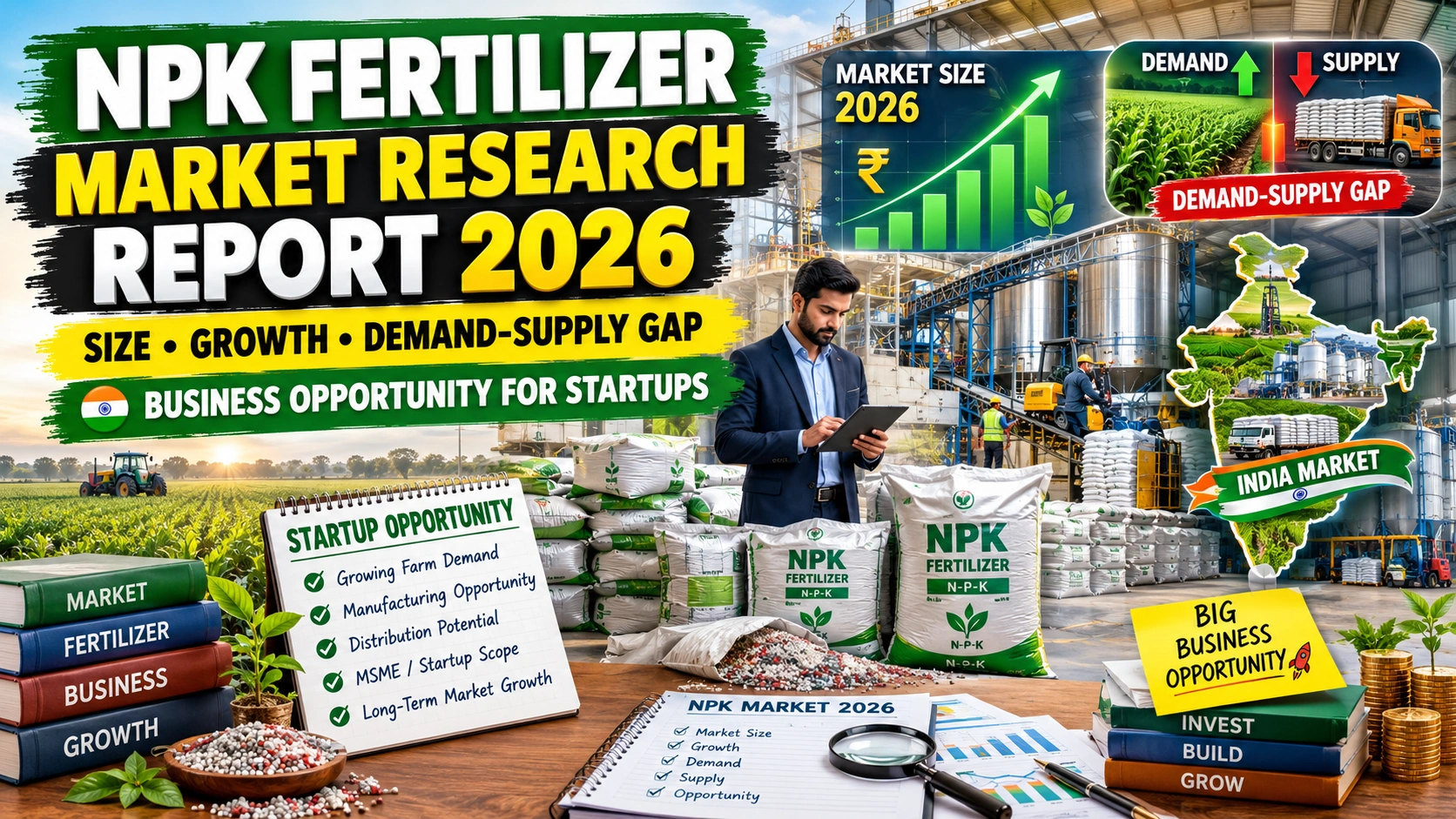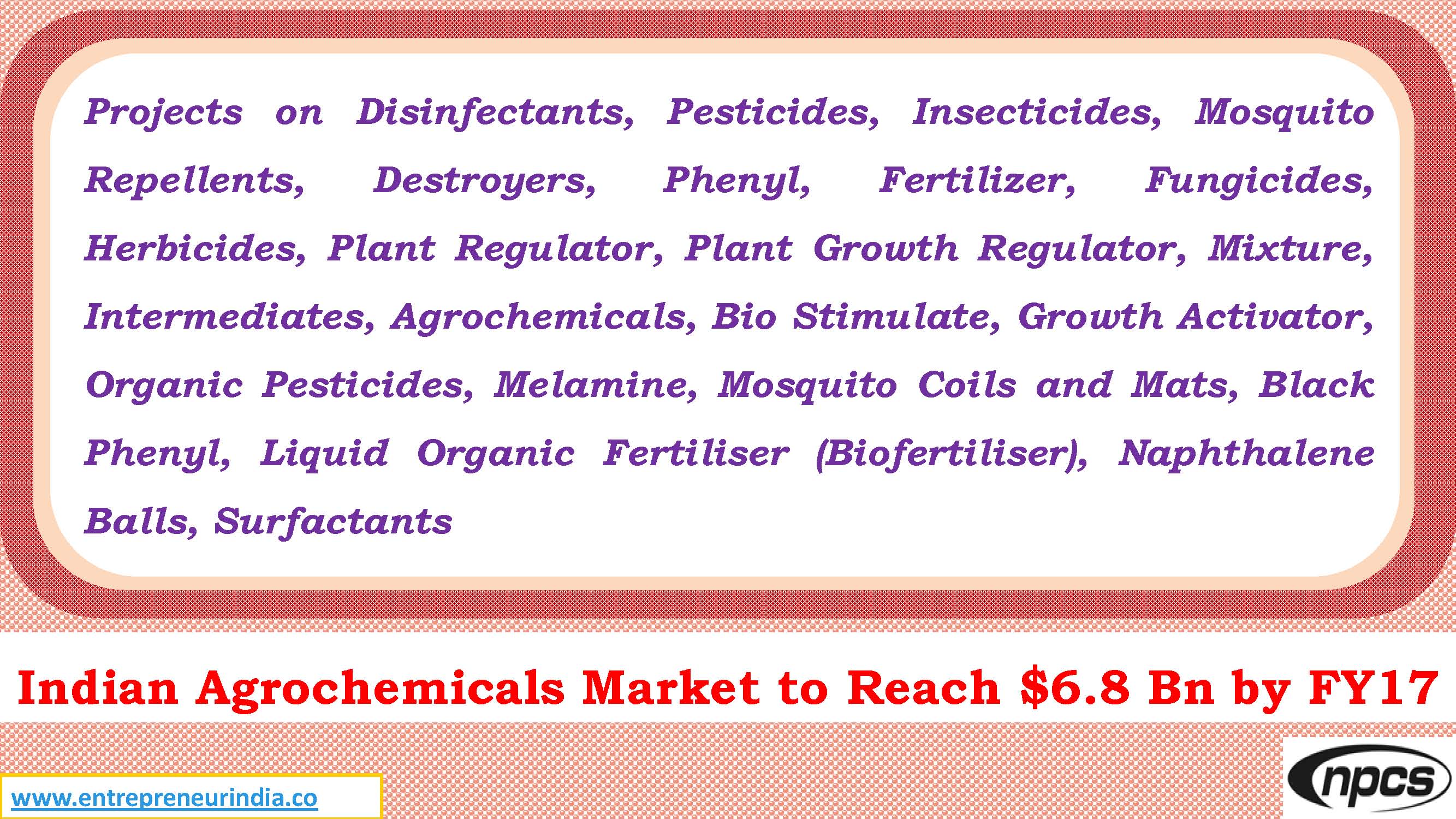
The agricultural and sanitation sectors are undergoing rapid modernization, leading to a rising demand for efficient chemical solutions. Starting a business in Agrochemical & Disinfectant Projects presents an excellent opportunity to cater to the growing needs of farmers, industries, healthcare facilities, and households. With increasing emphasis on crop protection and hygiene, entrepreneurs can profitably venture into manufacturing agrochemicals like pesticides, herbicides, and fertilizers, alongside disinfectants used in cleaning and disease prevention.
Agrochemical & Disinfectant Projects | Start Manufacturing
Agrochemical & Disinfectant Projects involve the formulation, packaging, and distribution of chemical compounds designed to either protect crops or eliminate harmful pathogens in various environments. These products are essential for improving agricultural yields and maintaining public health. Moreover, due to the demand surge post-pandemic and the need for sustainable agriculture, this dual-purpose industry is witnessing rapid expansion across rural and urban markets alike.
Read Also :Earn Profits from Rice Husk Ash
Scope of the Agrochemical Industry
Agrochemicals are chemical agents that support modern agriculture by enhancing productivity and crop resistance. These include:
Pesticides – To eliminate harmful insects and pests
Herbicides – For weed control
Fungicides – To prevent fungal infections in crops
Insecticides – Specific solutions to manage infestations
Bio-pesticides – Environmentally friendly alternatives
Plant growth regulators – To improve crop health and yield
Micronutrient mixtures and foliar sprays
Moreover, India is among the top producers and exporters of agrochemicals, offering strong potential for both domestic and global sales.
Disinfectant Market Demand
Disinfectants are used across healthcare, food processing, sanitation, hospitality, and home care segments. Products in this category include:
Surface disinfectants
Hand sanitizers and antiseptic liquids
Hospital-grade floor cleaners
Toilet and bathroom cleaners
Industrial degreasers
Agro-surface sterilizers (for greenhouses, poultry farms)
Moreover, increased health consciousness and government mandates in hospitals and public places have spiked demand for effective disinfectant solutions.
Manufacturing Process Overview
Whether producing agrochemicals or disinfectants, your plant will follow a structured process involving:
Raw material procurement – Active chemicals, solvents, emulsifiers
Formulation and blending – Mixing chemicals in specific ratios
Quality control testing – Ensuring product efficacy and safety
Bottling or drum filling – Packaging in different sizes
Labeling and coding – As per BIS and safety standards
Storage and dispatch – Safe warehousing and transportation
Moreover, proper adherence to environmental and safety norms is essential during every step of the process.
Required Machinery and Setup
To begin Agrochemical & Disinfectant Projects, the following equipment is typically needed:
Blenders or chemical reactors (SS or MS-lined tanks)
Agitators and stirrers
Storage tanks with anti-corrosive lining
Liquid and powder filling machines
Cap sealing and labeling machines
pH meters, viscometers, and chemical testing kits
Fume extraction systems and safety gear
Moreover, a well-ventilated, explosion-proof infrastructure is recommended due to the flammable nature of some ingredients.
Raw Materials and Their Sources
Key inputs used in Agrochemical & Disinfectant Projects include:
Active ingredients – Chlorpyrifos, Cypermethrin, Mancozeb, etc. (for agrochemicals)
Hydrogen peroxide, isopropyl alcohol, sodium hypochlorite (for disinfectants)
Solvents – Methanol, acetone, water
Emulsifiers and stabilizers – Surfactants to ensure homogeneity
Fragrances and colors – For consumer-oriented disinfectants
HDPE bottles, cans, and drums – For safe packaging
Moreover, these inputs can be sourced from specialty chemical suppliers or in bulk through authorized distributors.
Investment and Profit Potential
The cost of setting up a manufacturing unit varies depending on your product range and scale:
| Type of Unit | Investment (INR) | Monthly Profit Potential |
|---|---|---|
| Small (Manual/semi-auto) | ?10 – ?25 lakhs | ?70,000 – ?1.5 lakhs |
| Medium-scale (auto filling/blending) | ?40 lakhs – ?1 crore | ?2 – ?5 lakhs |
| Large (Multiple product lines) | ?1.5 – ?3 crores | ?6 – ?10 lakhs |
Moreover, contract manufacturing for established brands offers a low-risk entry point with assured margins.
Target Markets and Customers
You can sell your products to:
Fertilizer and agro-input dealers
Farmer cooperatives and Krishi Kendras
Hospitals, clinics, and diagnostic centers
Hotels, schools, and commercial buildings
Cleaning service companies
Government and municipal tenders
E-commerce platforms and bulk B2B marketplaces
Moreover, branding your disinfectant products with eco-friendly or herbal formulations helps attract premium customers.
Legal Compliance and Certifications
To run your Agrochemical & Disinfectant Projects unit legally, obtain:
CIBRC license (for agrochemical manufacturing under Insecticide Act, 1968)
FSSAI license (for plant-safe disinfectants in food industries)
MSME/Udyam registration
GST registration
Pollution Control Board NOC
Fire & factory licenses
Moreover, ISO 9001 and ISO 14001 certification will boost your credibility in institutional and export markets.
Packaging and Labeling
Packaging must comply with safety and BIS labeling guidelines:
Child-proof and leak-proof containers
Hazard symbols (flammable, toxic, corrosive, etc.)
Usage instructions and dilution ratios
MRP, batch number, manufacture & expiry dates
Emergency first-aid measures
Moreover, providing your products in various sizes (500 ml, 1 L, 5 L, 25 L drums) expands your reach across retail and bulk customers.
Government Support and Incentives
Several government schemes support chemical and agro-based manufacturing:
Subsidy under PMFME Scheme (for rural and micro-processing units)
NABARD and SIDBI term loans
Start-up India registration benefits
Export incentives under MEIS and RoDTEP
Technology upgrade assistance under CLCS-TUS
Moreover, state governments offer interest subsidies and land concessions in industrial estates for chemical manufacturers.
See Also :Small Business Ideas for more Profits
Conclusion
The demand for safe crops and clean environments is creating a strong, future-ready market for Agrochemical & Disinfectant Projects. Whether you focus on crop protection, hygiene, or both, manufacturing these essential products offers scalability, profitability, and export potential. Moreover, with rising awareness, government support, and advanced formulation techniques, this sector offers a compelling opportunity for entrepreneurs looking to build a sustainable and impactful chemical business.