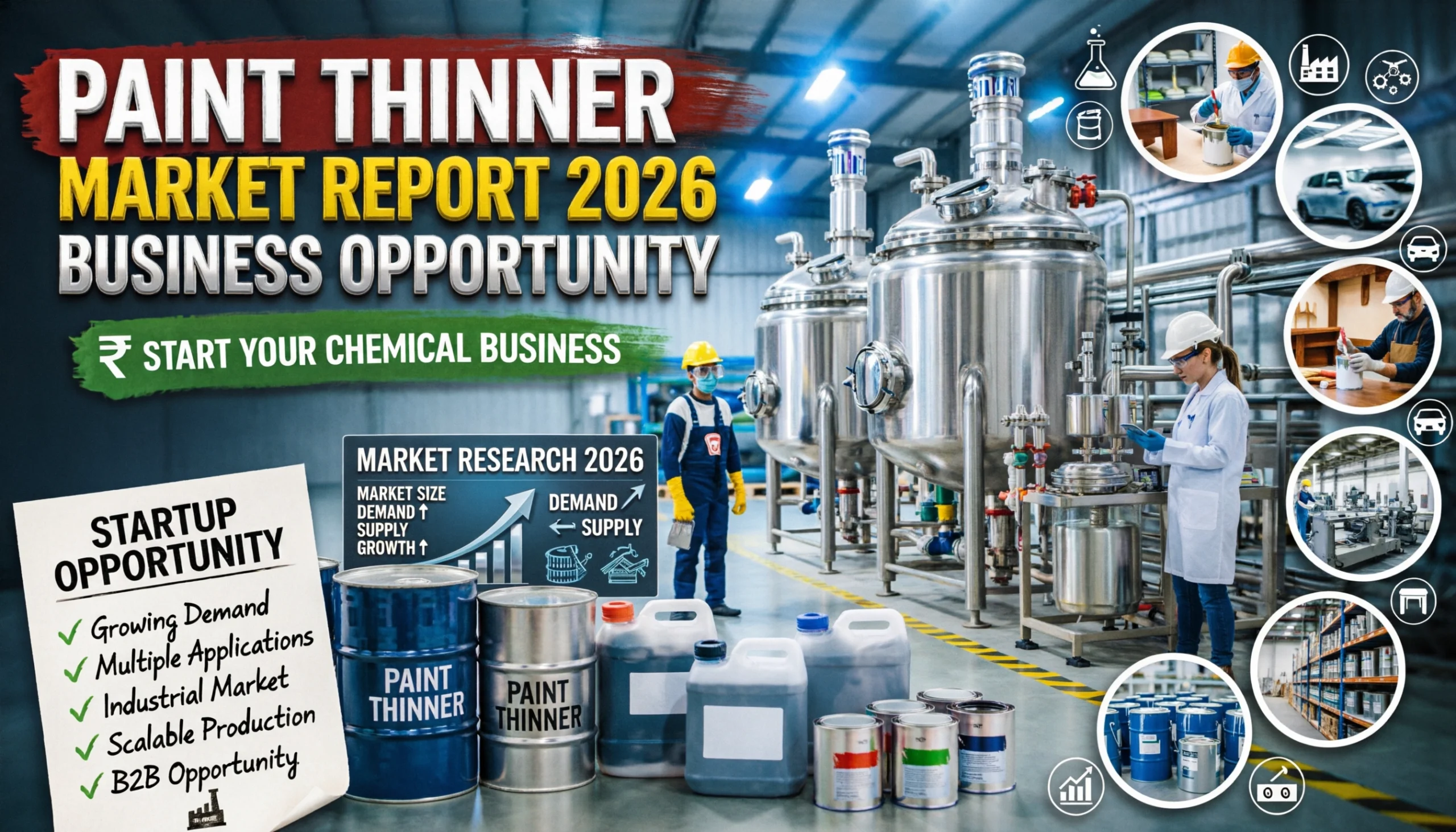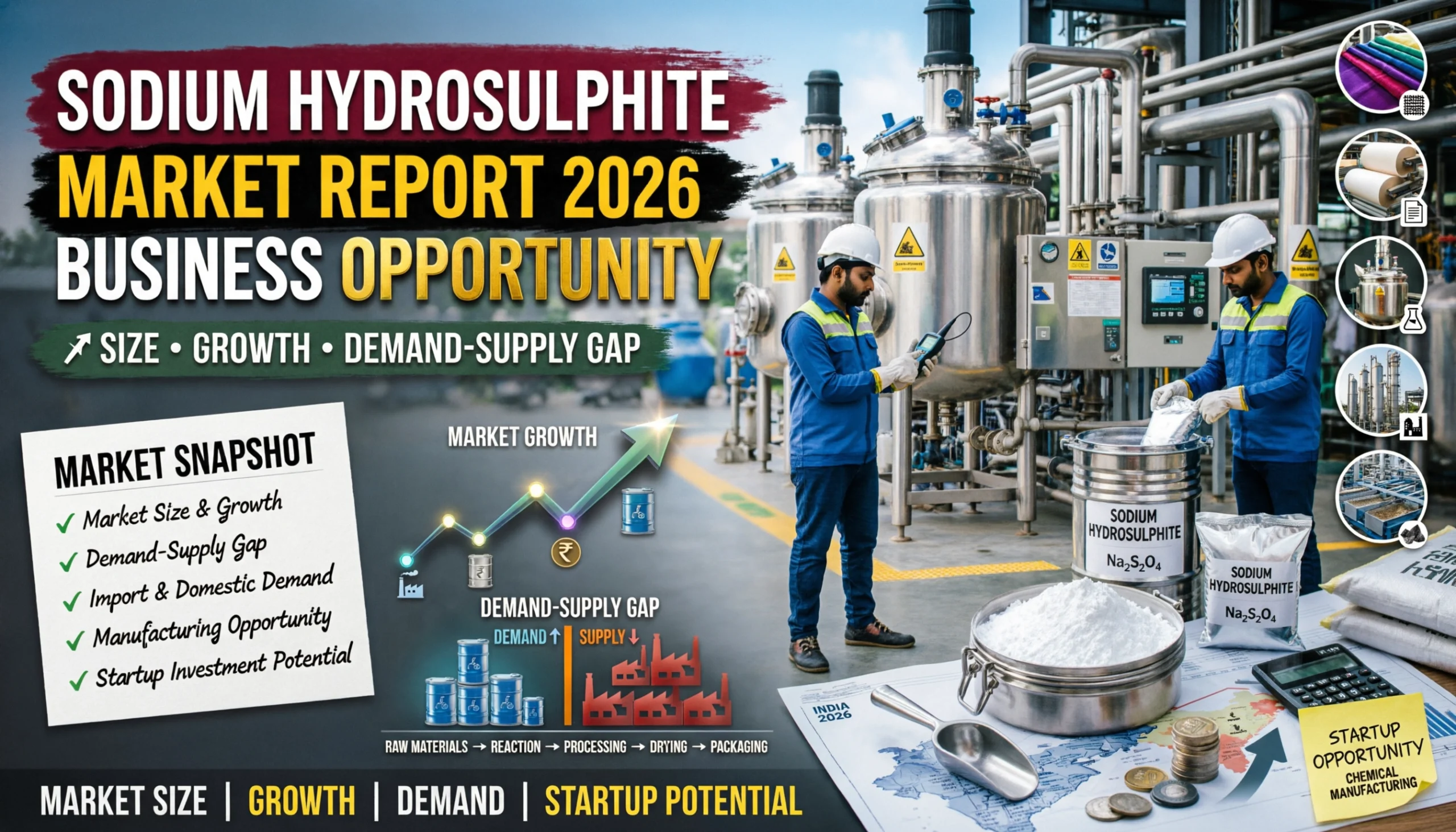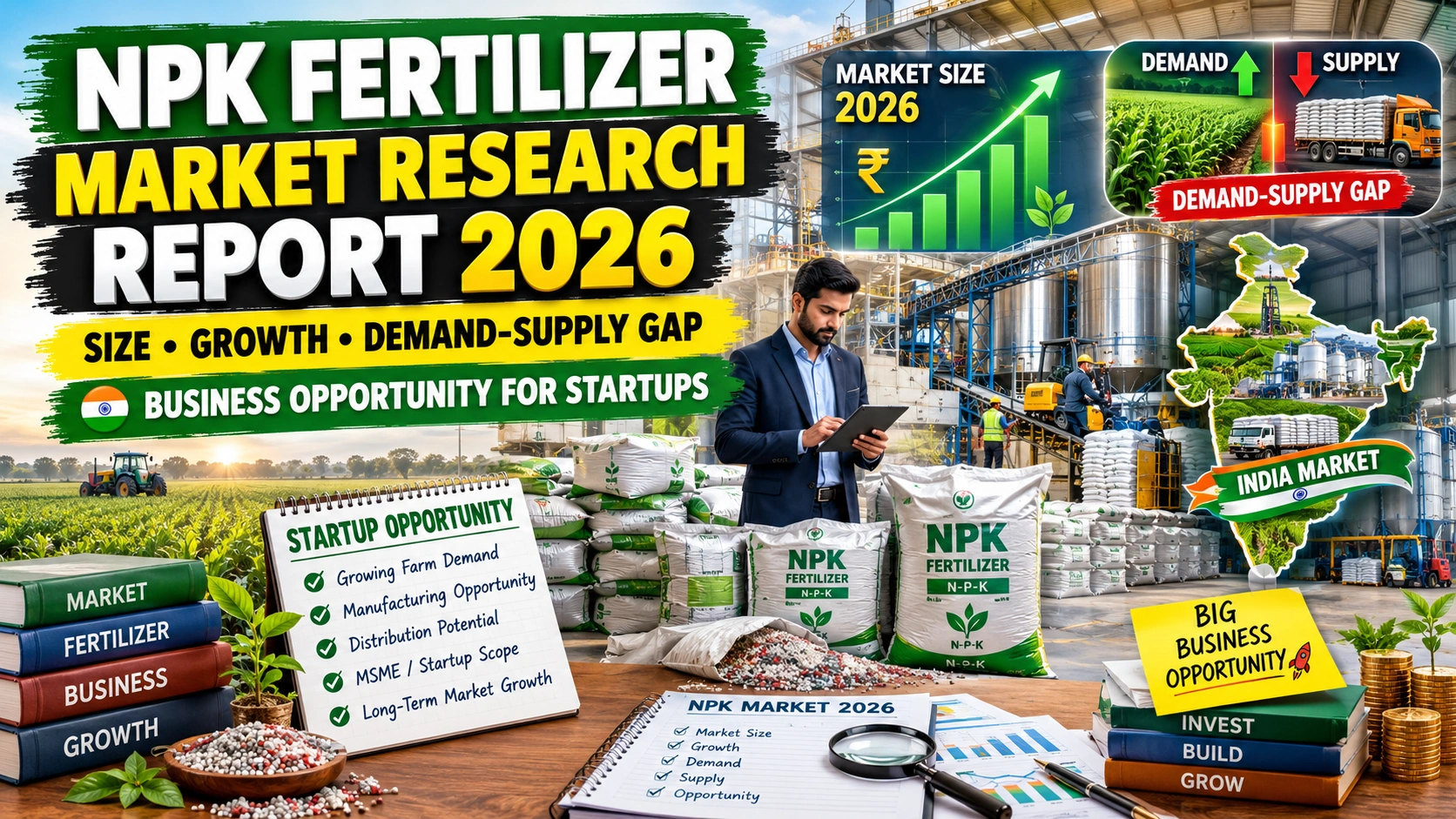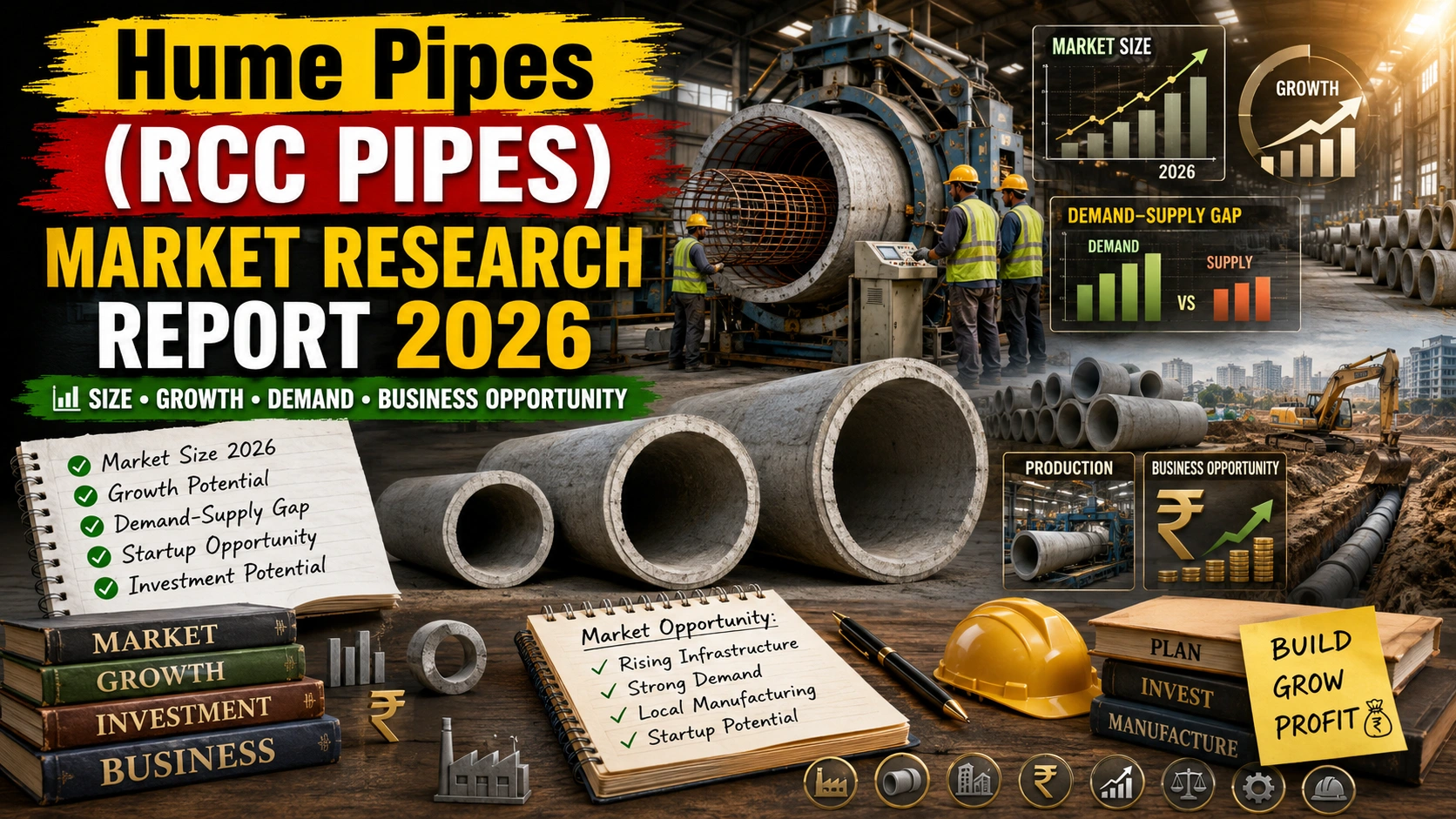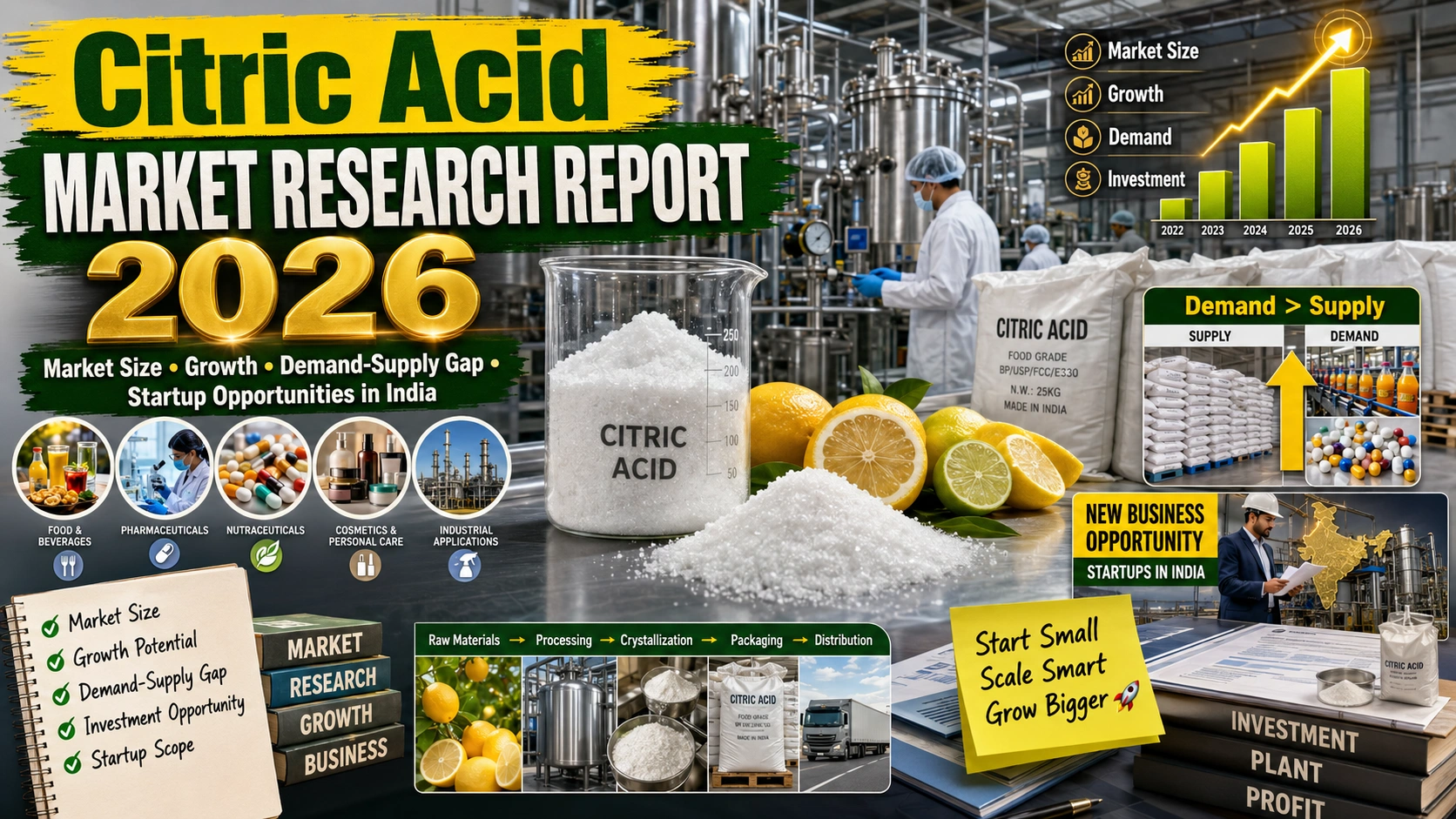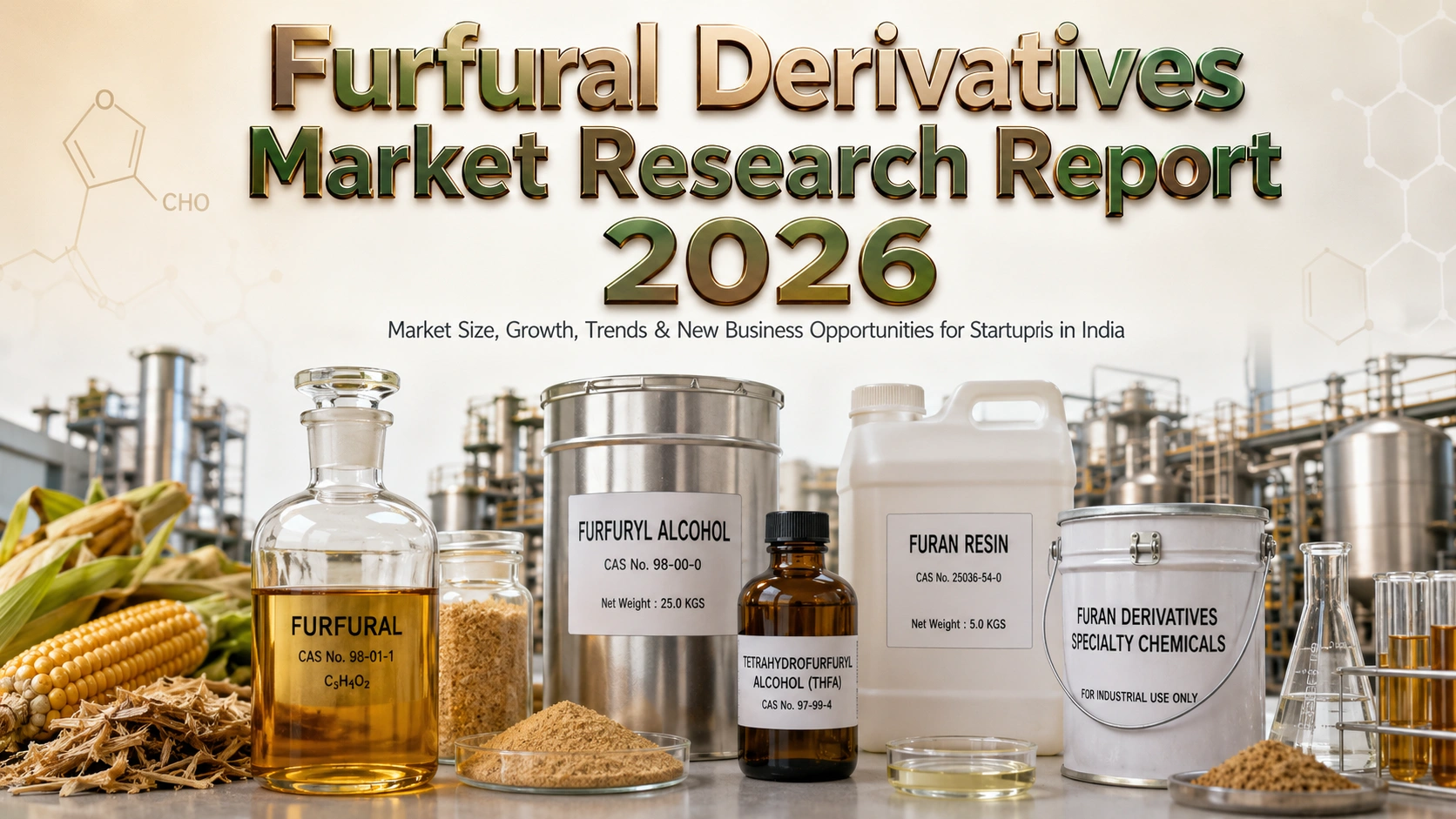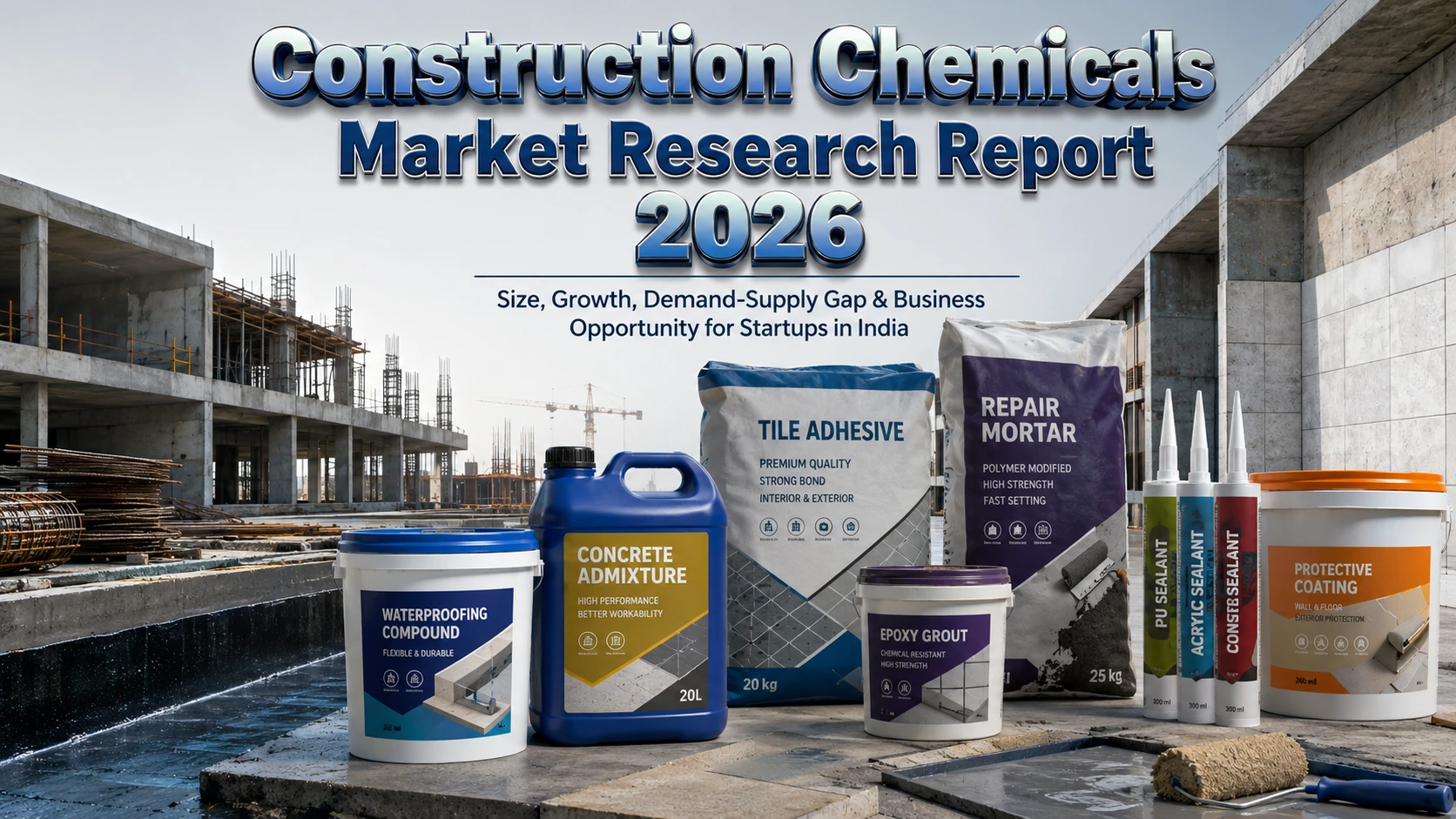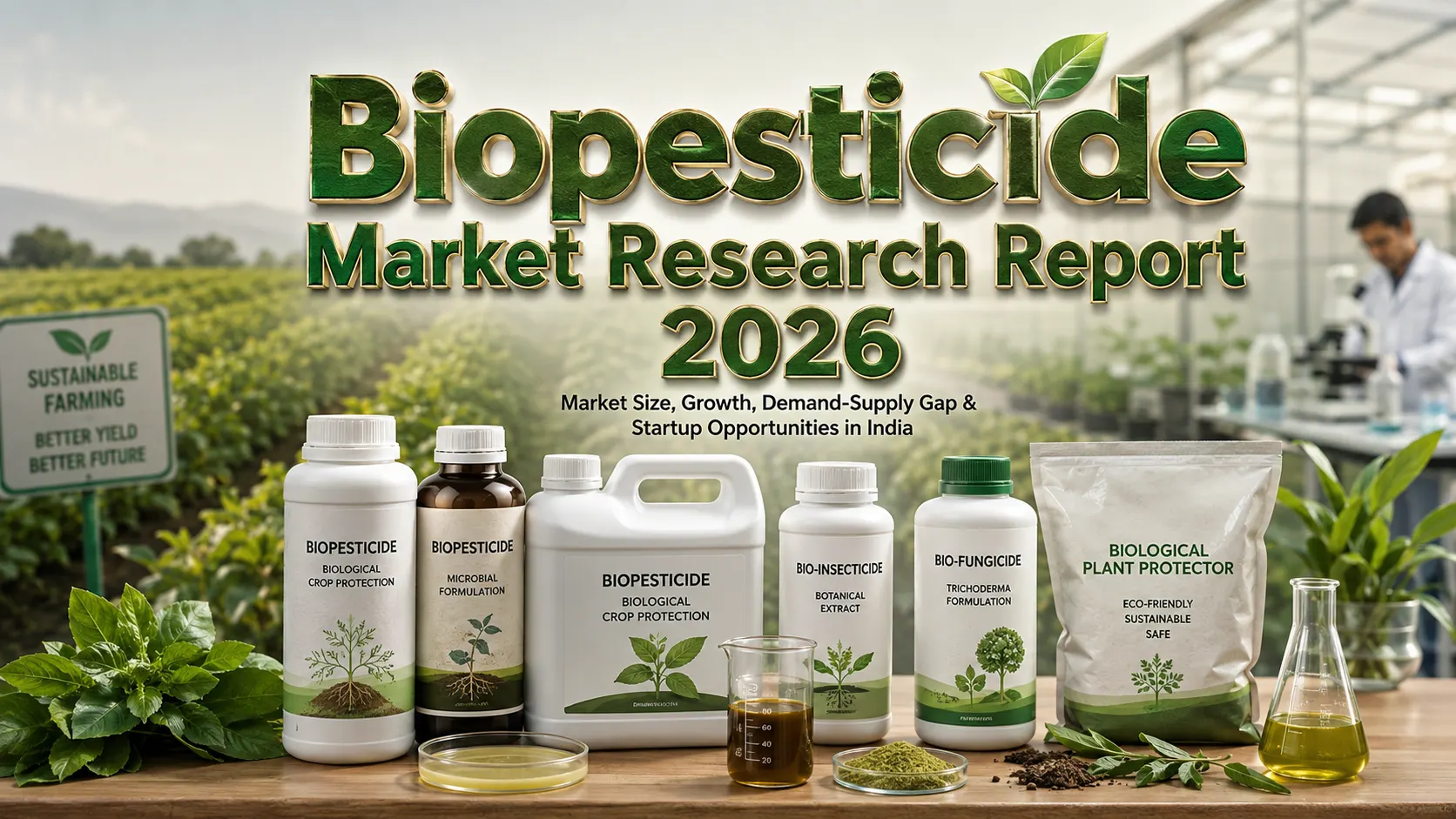
India’s industrial growth depends heavily on the chemical sector. From fertilizers and construction to textiles and pharmaceuticals, industrial chemicals play a central role. These chemicals serve as raw materials, catalysts, and performance enhancers across multiple sectors. As a result, the Industrial Chemicals Manufacturing industry has become a critical backbone of the economy. Moreover, increasing demand for high-purity, specialty, and green chemicals is driving innovation and new business opportunities in this space.
Whether you plan to set up a small-scale plant or expand an existing unit, understanding the right production processes and product types is essential.
Industrial Chemicals Manufacturing | Products & Processes
Industrial chemical production involves converting basic raw materials into valuable compounds used in everyday products. This includes acids, alkalis, solvents, resins, gases, and specialty additives. The choice of manufacturing process depends on the product’s end-use, required purity, and environmental compliance.
Let’s explore the major types of industrial chemicals, key production methods, and application areas.
See Also :Fruit Juice Processing Plant
Major Categories of Industrial Chemicals
The Industrial Chemicals Manufacturing sector covers a wide range of product types. Common categories include:
Basic Chemicals: Sulfuric acid, caustic soda, ammonia
Specialty Chemicals: Dyes, pigments, surfactants, textile auxiliaries
Agrochemicals: Urea, NPK fertilizers, pesticides
Petrochemicals: Ethylene, propylene, benzene
Construction Chemicals: Adhesives, waterproofing agents, curing compounds
Cleaning Chemicals: Sodium hypochlorite, disinfectants, solvents
Gases and Industrial Fluids: Hydrogen, oxygen, carbon dioxide, brake fluids
Moreover, demand for custom blends and environment-safe alternatives is steadily increasing.
Common Raw Materials
Raw materials vary based on product type but typically include:
Minerals – Salt, limestone, gypsum, sulfur
Petroleum derivatives – Naphtha, toluene, xylene
Gases – Nitrogen, hydrogen, oxygen
Organic compounds – Methanol, ethanol, acetic acid
Catalysts and reagents – Zeolites, alumina, enzymes
Solvents and water
Moreover, maintaining raw material purity directly affects product consistency and safety.
Production Processes
Industrial Chemicals Manufacturing uses several core processes, including:
Neutralization – Producing salts or acids by mixing acid and base
Distillation – Purifying solvents and separating compounds
Oxidation and Reduction – Used in pigments and bleaching agents
Polymerization – Manufacturing resins and plastics
Fermentation and Bio-processing – For eco-friendly additives
Spray Drying and Crystallization – To get solid powders or granules
Moreover, modern units integrate automation, PLC control systems, and energy recovery to increase efficiency and meet safety norms.
Sample Product: Sodium Hypochlorite Solution
Used in water treatment and cleaning industries
Ingredients:
Liquid chlorine gas
Sodium hydroxide
Water
Process:
Chlorine is reacted with dilute sodium hydroxide in a reactor. The resulting solution is cooled, filtered, and packed in HDPE drums.
Moreover, proper ventilation and chlorine scrubbing systems are vital for worker safety and emission control.
Applications of Industrial Chemicals
Industrial Chemicals Manufacturing supports multiple industries, including:
Agriculture – Fertilizers, pesticides, and soil conditioners
Water treatment – Coagulants, disinfectants, pH balancers
Textiles – Dyes, sizing agents, finishing chemicals
Paper and pulp – Bleaching agents and defoamers
Automotive – Brake fluids, coolants, adhesives
Pharmaceuticals – Intermediates and active ingredients
Construction – Epoxy systems, grouts, curing agents
Moreover, sectors like electronics, cosmetics, and food processing increasingly rely on specialized industrial chemicals.
Safety & Regulatory Compliance
Manufacturing industrial chemicals requires strict safety measures and licenses. These include:
Proper storage for corrosive or flammable materials
Effluent Treatment Plant (ETP) for liquid waste
Air pollution control (scrubbers, fume extractors)
Personal protective equipment (PPE) for all workers
Hazardous chemical handling license
Factory license and Pollution Control Board clearance
Moreover, ISO certification and REACH compliance can enhance market trust and export eligibility.
Quality Control & Packaging
Each chemical batch must undergo rigorous testing, including:
Purity and concentration analysis
pH and viscosity testing
Shelf-life and thermal stability checks
Residue and heavy metal testing
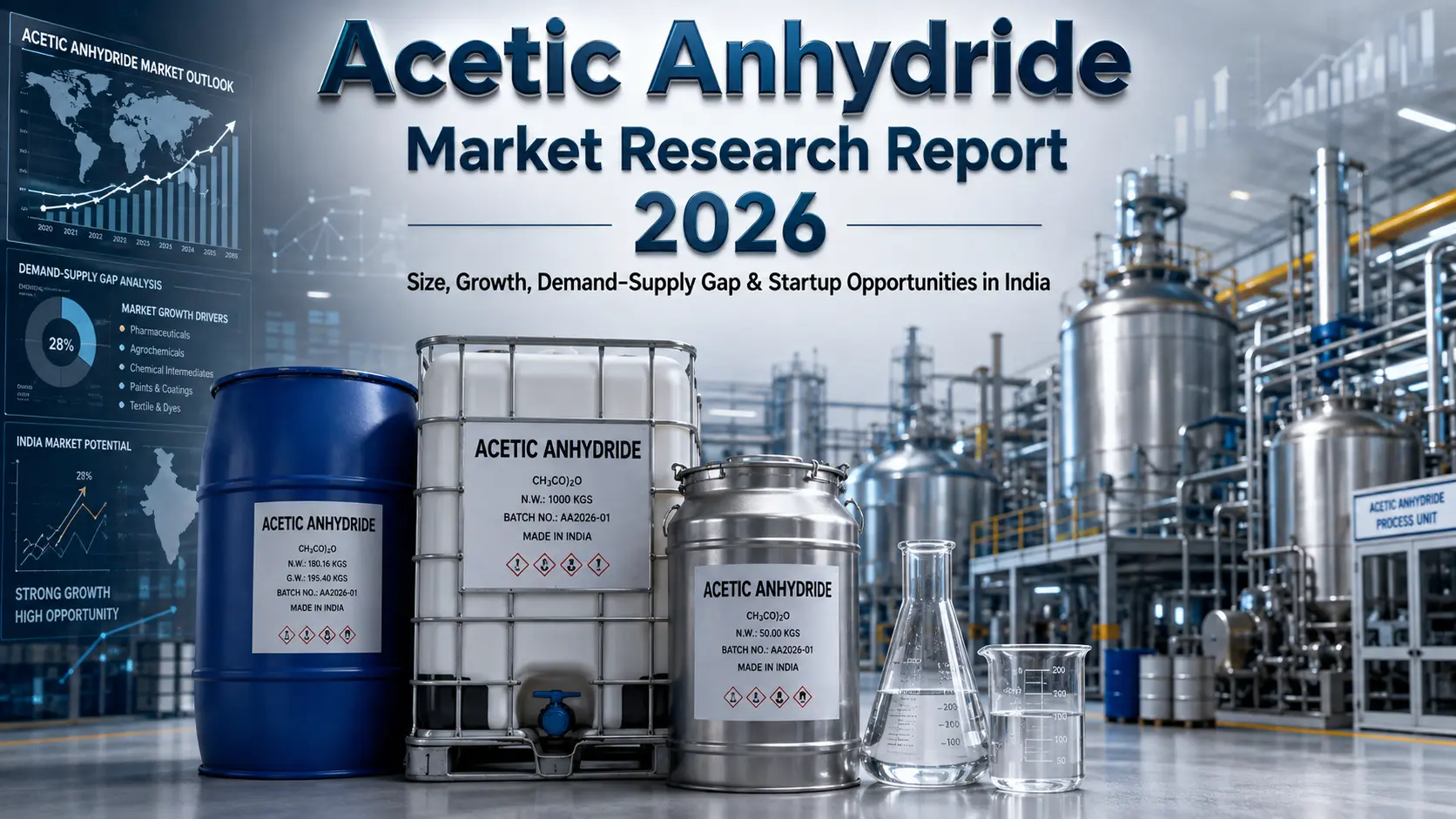
Packaging is done in drums, IBC tanks, or containers depending on volume and chemical type. Moreover, proper labeling—mentioning hazard codes and batch numbers—is mandatory.
Read Also :Earn Profits from Rice Husk Ash
Conclusion
The Industrial Chemicals Manufacturing industry continues to grow with increasing demand from infrastructure, agriculture, healthcare, and technology sectors. With a wide range of applications, steady demand, and room for innovation, this business offers long-term growth for both small and large manufacturers. Moreover, focusing on sustainability, automation, and compliance will ensure competitiveness in today’s global market.
Starting with a niche product and scaling gradually is a smart way to enter this high-potential industry.