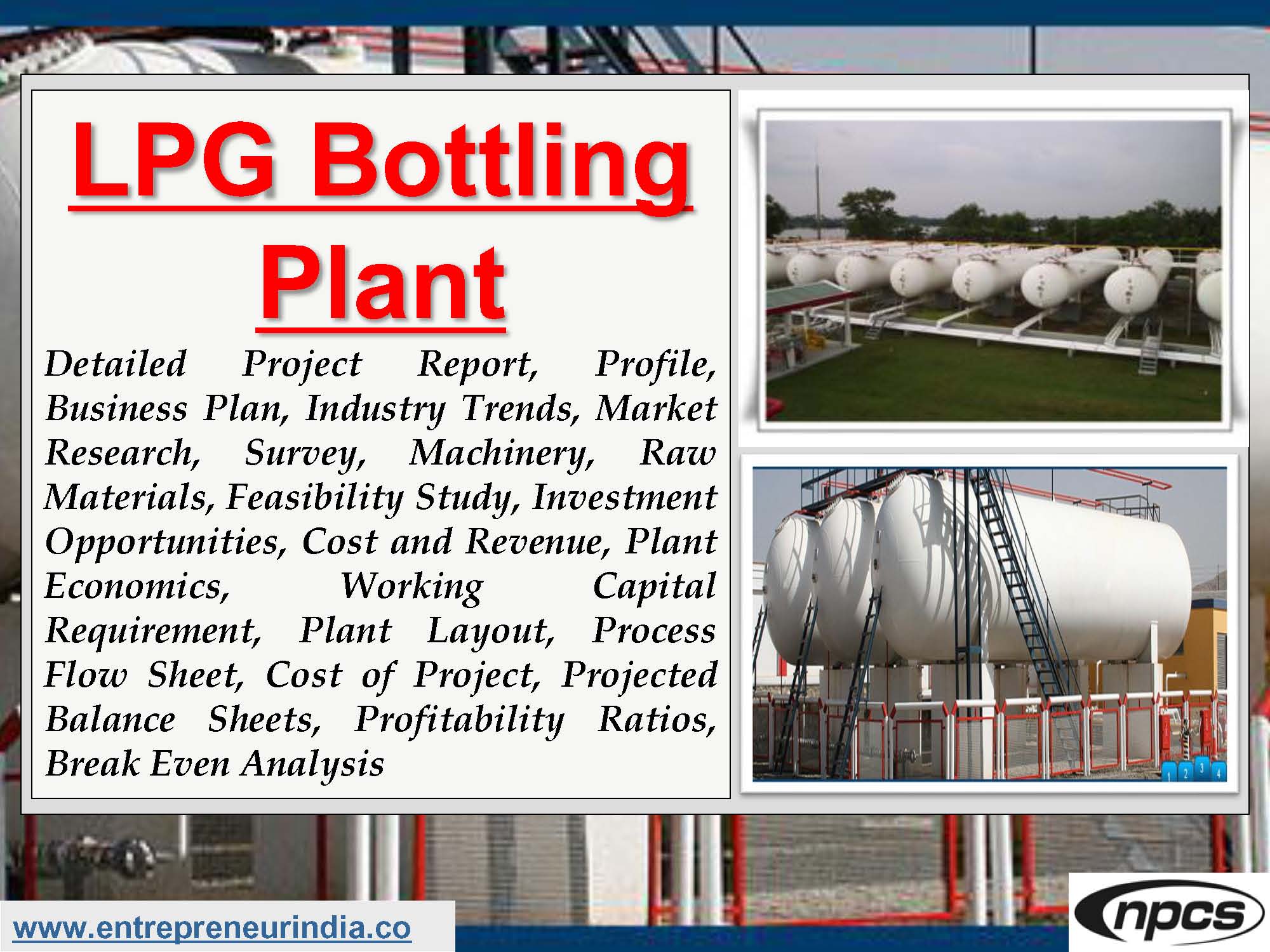
Liquefied Petroleum Gas (LPG) is one of the most widely used fuels in both domestic and industrial sectors. With the rise in urbanization, clean energy demand, and rural household LPG penetration, the requirement for refilling and bottling infrastructure is increasing rapidly. As a result, setting up an LPG Bottling Plant presents a lucrative business opportunity. It supports the energy supply chain while offering high volume turnover, strong margins, and long-term viability. Moreover, with support from government schemes and energy policies, entrepreneurs can participate in this vital segment of the petroleum industry.
LPG Bottling Plant Setup | Project Report & Business Plan
An LPG Bottling Plant involves the transfer of LPG in bulk from tankers to cylinders of different capacities through a controlled, safe, and certified bottling process. Establishing such a plant demands regulatory approvals, robust infrastructure, safety systems, and a solid business plan.
Read Also :Quartz Slabs Manufacturing Business
Market Scope and Industry Potential
The demand for bottled LPG is growing due to its clean-burning nature and versatility in cooking, heating, and light industrial applications. Key growth drivers include:
Expansion of Ujjwala Yojana and household LPG connections
Increased demand from hotels, restaurants, and food industries
Use in rural and peri-urban areas without piped gas supply
Demand from commercial kitchens and small-scale industries
Moreover, setting up a strategically located LPG Bottling Plant can serve as a hub for multiple distribution points and franchise dealers, improving logistics efficiency.
Site Selection and Infrastructure
The location of your LPG Bottling Plant should meet the following criteria:
At least 1–2 acres of industrial land
Good road connectivity for bulk tanker access
Minimum safe distance from residential zones
Access to power and water supply
Compliance with zoning and explosive act regulations
The basic infrastructure includes:
LPG storage bullets (above-ground or mounded)
Cylinder filling carousels or filling stations
Weighing and leak testing machines
Firefighting system and gas detection sensors
Valve and seal fixing stations
Cylinder storage yard (filled and empty segregation)
Administrative office, security cabin, and control room
Moreover, designing the plant layout as per PESO (Petroleum & Explosives Safety Organization) standards is mandatory.
Licensing and Regulatory Compliance
Operating an LPG Bottling Plant involves strict regulatory compliance. Key licenses and permissions include:
PESO license for storage and bottling
NOC from the Chief Controller of Explosives
Environmental Clearance from State Pollution Control Board
Factory license and approval from District Industries Center (DIC)
Fire safety approval from local authorities
PESO-approved equipment and pipeline layout
Moreover, maintaining documentation such as Standard Operating Procedures (SOPs), safety manuals, and inspection records is critical for audits and renewals.
Plant Setup: Equipment and Technology
To set up a fully operational LPG Bottling Plant, you’ll need the following key equipment:
LPG storage vessels (capacities vary by scale)
LPG transfer pumps and compressors
Filling carousels (automatic or semi-automatic)
Digital weighing scales and leak detection systems
Valve fixing and capping units
Chain conveyors and hoists
Fire suppression system and hydrants
CCTV, access control, and alarm systems
Moreover, integrating SCADA or automation software allows real-time monitoring, safety alerts, and production tracking.
Safety Protocols and Training
Safety is the top priority in any LPG-related business. Your plant must follow best practices such as:
Hazardous area classification and flameproof fittings
Routine pressure testing of cylinders
Emergency response plans (ERP) and mock drills
Personal protective equipment (PPE) for staff
Employee training in fire control, first aid, and LPG handling
Moreover, installing lightning arresters, gas leakage alarms, and wind direction indicators enhances plant safety and regulatory compliance.
DPR (Detailed Project Report) Highlights
A well-prepared project report is essential for obtaining loans, government permissions, and attracting investors. A DPR for an LPG Bottling Plant should include:
Executive summary and promoter background
Market study and demand assessment
Land and infrastructure details
Machinery and technology overview
Utility requirements (electricity, water, air)
Safety and environmental plan
Financial estimates (CAPEX, OPEX, working capital)
Profitability analysis and break-even point
Risk and contingency planning
Moreover, attaching engineering drawings, vendor quotations, and PESO layout approvals strengthens your DPR.
Business Plan and Revenue Model
A typical LPG Bottling Plant earns revenue through:
Cylinder refilling charges (per kg or per cylinder)
Bulk LPG sales to commercial users
Franchise or distributor commissions
Cylinder testing and maintenance fees
You can choose to operate as:
A third-party bottler for oil companies (PSU or private)
An independent bottler with your own distribution channel
A franchisee or joint venture partner of existing brands
Moreover, expanding services to include valve testing, cylinder recertification, and logistics improves business sustainability.
Workforce and Operations
For smooth operations, your plant requires:
Trained plant manager and safety officer
Filling operators and supervisors
Quality control and leak testing personnel
Security and housekeeping staff
Accounts and administrative team
Moreover, operating in multiple shifts ensures higher output and faster turnaround for dealers.
Marketing and Distribution
While the LPG industry is largely B2B, you can focus your marketing efforts on:
Partnering with regional distributors or dealers
Collaborating with industries, hotels, and hospitals
Offering fast refill services and doorstep delivery options
Participating in energy expos and industrial trade fairs
Digital promotions and bulk order incentives
Moreover, highlighting safety compliance and faster logistics gives your brand a competitive edge.
See Also :How to Start Rajnigandha Oil Extraction Unit
Conclusion
Establishing an LPG Bottling Plant is a capital-intensive but high-reward venture. It serves a critical link in the country’s energy infrastructure and offers steady demand from domestic and commercial segments. With the right location, regulatory clearances, safety measures, and business strategy, you can build a profitable and compliant LPG bottling unit. Moreover, as clean energy becomes a national priority, investing in such projects aligns with long-term sustainability and national development goals.
Frequently Asked Questions (FAQs)
FAQ 1: What is an LPG bottling plant and why is it a profitable business?
An LPG bottling plant is an industrial facility where bulk Liquefied Petroleum Gas (LPG) is transferred from tankers into cylinders of various capacities through a controlled, safe, and certified bottling process. These cylinders are then distributed to domestic, commercial, and industrial consumers.
Why it is profitable:
Growing demand due to urbanization and clean energy initiatives
Government schemes like Ujjwala Yojana expanding LPG penetration
High volume turnover with strong profit margins
Consistent demand from domestic, commercial, and industrial sectors
Long-term viability with recurring revenue
With the rise in LPG consumption and government support for clean energy, an LPG bottling plant offers excellent returns on investment.
FAQ 2: What is the minimum investment required for an LPG bottling plant?
The investment required for an LPG bottling plant depends on the scale and capacity:
| Scale | Estimated Investment |
|---|---|
| Small-Scale Plant | ₹5 – 10 crore |
| Medium-Scale Plant | ₹10 – 25 crore |
| Large-Scale Plant | ₹25 crore and above |
Key Cost Components:
Land and infrastructure (1–2 acres minimum)
LPG storage vessels (bullets/mounded storage)
Filling equipment (carousels, weighing scales, leak detectors)
Firefighting systems and safety equipment
Licensing and regulatory compliance
Working capital
Government schemes and bank loans can help reduce the initial financial burden.
FAQ 3: What are the land and infrastructure requirements for an LPG bottling plant?
An LPG bottling plant requires careful site selection and infrastructure planning:
| Requirement | Specification |
|---|---|
| Land Area | At least 1–2 acres of industrial land |
| Location | Good road connectivity for bulk tanker access |
| Safety Distance | Minimum safe distance from residential zones |
| Utilities | Access to power and water supply |
| Zoning Compliance | Compliance with explosive act regulations |
Basic Infrastructure Includes:
LPG storage bullets (above-ground or mounded)
Cylinder filling carousels or filling stations
Weighing and leak testing machines
Firefighting system and gas detection sensors
Valve and seal fixing stations
Cylinder storage yard (filled and empty segregation)
Administrative office, security cabin, and control room
Plant layout must comply with PESO (Petroleum & Explosives Safety Organization) standards.
FAQ 4: What machinery and equipment are required for an LPG bottling plant?
An LPG bottling plant requires the following key equipment:
| Equipment | Purpose |
|---|---|
| LPG Storage Vessels | Bulk storage of LPG (above-ground or mounded) |
| LPG Transfer Pumps and Compressors | Transferring LPG from tankers to storage and filling stations |
| Filling Carousels | Automatic or semi-automatic cylinder filling |
| Digital Weighing Scales | Accurate weight measurement during filling |
| Leak Detection Systems | Safety testing for gas leaks |
| Valve Fixing and Capping Units | Sealing and capping cylinders |
| Chain Conveyors and Hoists | Material handling |
| Fire Suppression System | Fire safety and emergency response |
| CCTV and Access Control | Security monitoring |
Integrating SCADA or automation software allows real-time monitoring and safety alerts.
FAQ 5: What licenses and regulatory approvals are required for an LPG bottling plant?
Operating an LPG bottling plant requires strict regulatory compliance:
| License/Approval | Authority |
|---|---|
| PESO License | Petroleum & Explosives Safety Organization for storage and bottling |
| NOC from Chief Controller of Explosives | Explosive safety clearance |
| Environmental Clearance | State Pollution Control Board |
| Factory License | District Industries Center (DIC) |
| Fire Safety Approval | Local fire authorities |
| PESO-Approved Equipment | Certified equipment and pipeline layout |
Additional Documentation Required:
Standard Operating Procedures (SOPs)
Safety manuals
Inspection records
Emergency response plans
Regular audits and renewals are essential for compliance.
FAQ 6: How profitable is an LPG bottling plant business?
An LPG bottling plant offers attractive profitability:
| Financial Metric | Value |
|---|---|
| Revenue Model | Cylinder refilling charges, bulk LPG sales, franchise commissions |
| Profit Margins | 8–15% (high volume, low margin business) |
| ROI Timeline | 3–5 years |
| Break-even Period | 2–3 years |
Key Factors Influencing Profitability:
Efficient operations and high capacity utilization
Bulk contracts with oil companies and commercial users
Value-added services (cylinder testing, maintenance)
Logistics optimization
Cost control and safety compliance
With proper planning and strategic partnerships, this business delivers sustainable long-term returns.
FAQ 7: What are the revenue streams for an LPG bottling plant?
An LPG bottling plant generates revenue through multiple streams:
| Revenue Stream | Description |
|---|---|
| Cylinder Refilling Charges | Per kg or per cylinder refilling fees |
| Bulk LPG Sales | Sales to commercial and industrial users |
| Franchise/Distributor Commissions | Commissions from dealer networks |
| Cylinder Testing and Maintenance | Fees for cylinder recertification |
| Valve Testing Services | Additional service revenue |
| Logistics Services | Transportation and delivery fees |
Diversifying revenue streams enhances business stability and profitability.
FAQ 8: What are the safety protocols for an LPG bottling plant?
Safety is the top priority in any LPG bottling plant. Key safety measures include:
| Safety Measure | Description |
|---|---|
| Hazardous Area Classification | Flameproof fittings in all areas |
| Routine Pressure Testing | Regular testing of cylinders |
| Emergency Response Plans | Mock drills and ERP implementation |
| Personal Protective Equipment | PPE for all staff |
| Employee Training | Fire control, first aid, LPG handling |
| Gas Leakage Alarms | Detection systems throughout the plant |
| Lightning Arresters | Protection against lightning strikes |
| Wind Direction Indicators | For emergency response planning |
Safety compliance is mandatory for PESO approval and operational continuity.
FAQ 9: How can I market an LPG bottling plant?
Marketing strategies for an LPG bottling plant include:
| Channel | Strategy |
|---|---|
| Partner with Oil Companies | Third-party bottling for PSUs and private companies |
| Regional Distributors | Partner with local dealers and franchises |
| B2B Sales | Supply to hotels, hospitals, and industrial users |
| Government Tenders | Participate in energy supply contracts |
| Trade Expos | Attend energy and industrial fairs |
| Digital Promotions | Highlight safety compliance and logistics |
Emphasizing safety compliance, faster logistics, and reliable service provides a competitive edge.
FAQ 10: What are the challenges in setting up an LPG bottling plant?
| Challenge | Solution |
|---|---|
| High Capital Investment | Explore partnerships, bank loans, and government schemes |
| Regulatory Compliance | Hire consultants for PESO and environmental approvals |
| Safety Risks | Invest in robust safety systems and training |
| Land Availability | Choose industrial zones with proper zoning |
| Competition | Focus on service quality and logistics efficiency |
| Price Volatility | Long-term contracts with suppliers |
Proper planning, risk management, and professional guidance can overcome these challenges.
FAQ 11: What is the future growth potential for LPG bottling plants?
The LPG bottling plant industry has strong growth potential:
| Growth Driver | Impact |
|---|---|
| Ujjwala Yojana Expansion | Increased household LPG connections |
| Clean Energy Demand | Shift toward cleaner cooking fuels |
| Commercial Sector Growth | Hotels, restaurants, and food industries |
| Rural Penetration | Expanding LPG access in rural areas |
| Industrial Applications | LPG use in light manufacturing |
| Export Opportunities | Growing demand in developing countries |
With the government’s focus on clean energy, this business offers long-term scalability.
FAQ 12: Can I start an LPG bottling plant with government support?
Yes, the Indian government offers support for energy infrastructure:
| Scheme | Benefit |
|---|---|
| MSME/Udyam Registration | Access to subsidies and benefits |
| Bank Loans | CGTMSE, SIDBI support for capital investment |
| Make in India | Policy support and investment facilitation |
| State-Level Subsidies | Power and land benefits in industrial zones |
| PESO Support | Streamlined approval processes |
Applying for these schemes can significantly reduce the initial financial burden.
FAQ 13: What workforce is required for an LPG bottling plant?
An LPG bottling plant requires a skilled and trained workforce:
| Position | Responsibility |
|---|---|
| Plant Manager | Overall plant operations |
| Safety Officer | Safety compliance and training |
| Filling Operators | Cylinder filling operations |
| Quality Control Personnel | Leak testing and quality checks |
| Security Staff | Plant security and access control |
| Accounts Team | Financial management |
| Administrative Staff | Documentation and compliance |
Multiple shifts may be required for higher output and faster turnaround.
FAQ 14: What is the role of a Detailed Project Report (DPR) for an LPG bottling plant?
A Detailed Project Report (DPR) is essential for an LPG bottling plant:
| DPR Component | Purpose |
|---|---|
| Executive Summary | Business overview and promoter background |
| Market Study | Demand assessment and market potential |
| Land and Infrastructure | Site details and layout |
| Machinery Overview | Equipment and technology selection |
| Utility Requirements | Power, water, and air needs |
| Safety Plan | Safety protocols and compliance |
| Financial Estimates | CAPEX, OPEX, working capital |
| Profitability Analysis | ROI and break-even analysis |
| Risk Planning | Contingency and risk mitigation |
A well-prepared DPR is essential for obtaining loans, approvals, and attracting investors.
FAQ 15: Why should I invest in an LPG bottling plant?
Investing in an LPG bottling plant offers multiple advantages:
| Reason | Benefit |
|---|---|
| Consistent Demand | Essential for domestic and industrial energy needs |
| Government Support | Schemes promoting clean energy |
| High Volume Turnover | Large-scale operations with strong cash flow |
| Scalable Operations | Can expand capacity based on demand |
| Long-Term Viability | Energy sector is recession-resistant |
| Value-Added Services | Cylinder testing, valve maintenance, logistics |
| Social Impact | Contributes to clean energy access |
With proper planning, safety compliance, and strategic partnerships, an LPG bottling plant can become a highly profitable and sustainable industrial venture.
Ready to Set Up Your LPG Bottling Plant?
The LPG industry is growing rapidly, driven by government initiatives like Ujjwala Yojana and increasing demand for clean energy. With consistent demand and strong revenue potential, an LPG bottling plant is a strategic investment for entrepreneurs looking to enter the energy infrastructure sector.
Ready to Set Up Your LPG Bottling Plant?
The LPG industry is growing rapidly, driven by government initiatives like Ujjwala Yojana and increasing demand for clean energy. With consistent demand and strong revenue potential, an LPG bottling plant is a strategic investment for entrepreneurs looking to enter the energy infrastructure sector.
At NPCS (NIIR Project Consultancy Services), we specialize in providing end-to-end project consultancy services to help you establish a successful LPG bottling plant:
✅ Detailed Project Reports – Comprehensive feasibility studies, market analysis, and financial projections
✅ Technology & Machinery Selection – Guidance on equipment and automation systems
✅ Plant Setup Support – End-to-end assistance from land acquisition to commissioning
✅ Regulatory Compliance – Expert advice on PESO licensing, safety, and approvals
✅ Market Intelligence – Insights into demand trends, pricing, and distribution strategies
Take the first step toward building a profitable and compliant LPG bottling plant today!
📞 Call us now for a personalized consultation
📧 Email us to request a detailed project report
🌐 Visit our website to explore more business opportunities