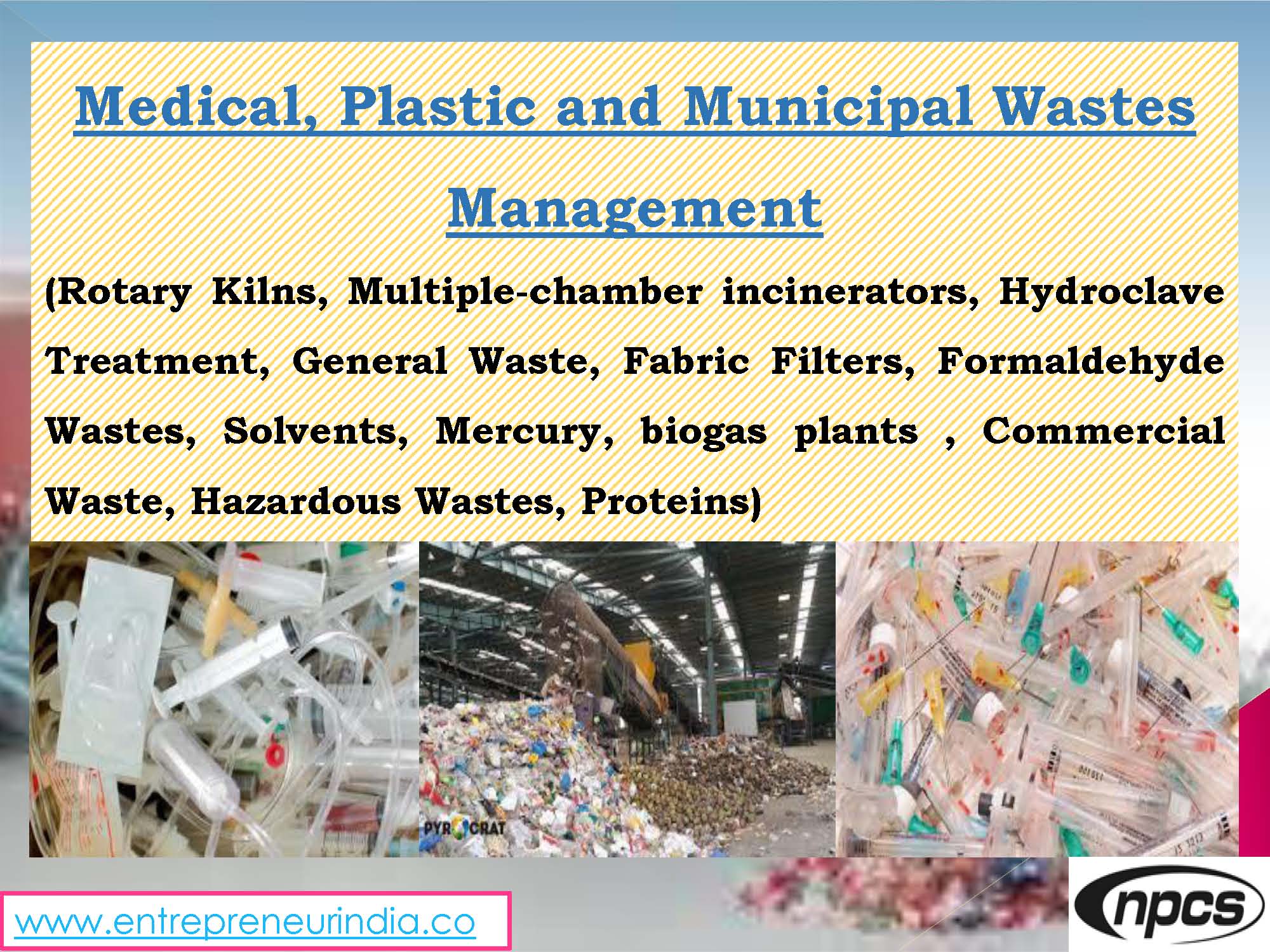
In today’s rapidly urbanizing world, effective medical plastic and municipal wastes management has become a pressing necessity. With increasing volumes of disposable medical products, single-use plastics, and hazardous materials, traditional disposal methods are no longer sufficient. Moreover, growing awareness of environmental and public health risks has pushed industries and governments to adopt cleaner, safer, and more sustainable solutions. From advanced incinerators to hydroclave sterilization and biogas generation, innovative technologies are transforming waste treatment. This article explores the tools, challenges, and future pathways for managing a wide range of waste types—from clinical debris to urban garbage—using responsible and efficient methods.
Technologies and Solutions in Medical Plastic and Municipal Wastes Management
Proper segregation, treatment, and disposal of waste are key to preventing environmental contamination and disease outbreaks. Advancements in incineration, sterilization, filtration, and energy recovery have significantly enhanced how we handle complex waste streams in both medical and municipal domains.
See Also : Dyestuff & Pigment Projects
Rotary Kilns and Multi-Chamber Incinerators
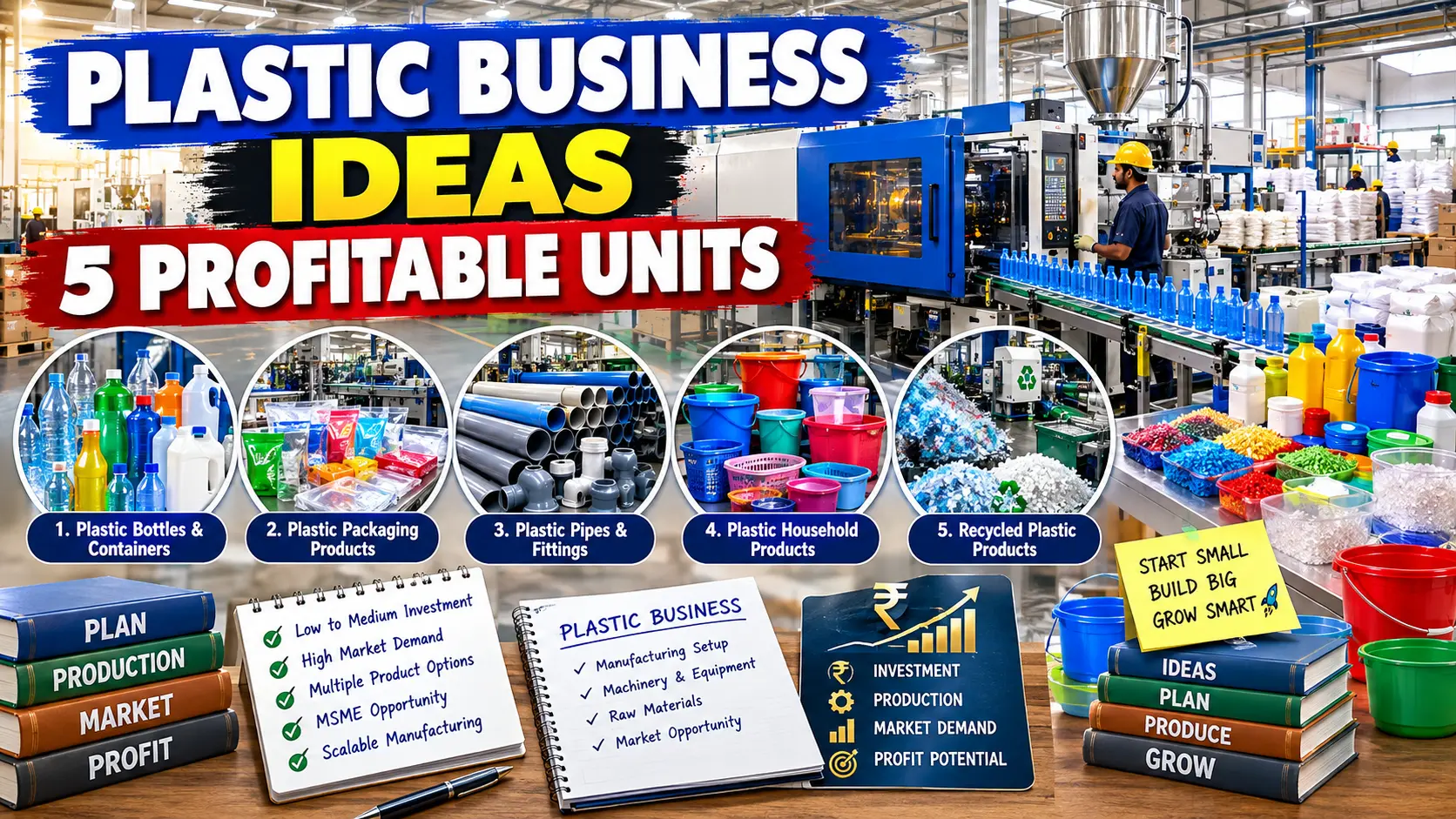
One of the most reliable methods for treating hazardous medical and plastic waste is incineration. Rotary kilns—cylindrical, rotating furnaces—can reach extremely high temperatures, ensuring the complete destruction of infectious waste, plastic-based medical disposables, and toxic substances. These kilns are often equipped with multiple chambers, allowing for staged combustion and better emission control. In contrast to simple open burning, these systems dramatically reduce the release of harmful gases like dioxins and furans. Moreover, the ash residue from these incinerators can be stabilized and safely landfilled. For comprehensive medical plastic and municipal wastes management, rotary kilns remain essential in centralized waste treatment facilities.
Hydroclave Treatment for Clinical Waste
Hydroclaves offer a more environmentally friendly alternative to incineration, particularly for medical waste that includes contaminated plastics, textiles, and sharps. This technology uses high-pressure steam and agitation to sterilize and break down materials, making them safe for landfilling or further processing. Unlike incinerators, hydroclaves do not release harmful combustion gases, making them ideal for urban hospitals and clinics. Additionally, they reduce waste volume by up to 80%, saving transportation and disposal costs. In the broader context of medical plastic and municipal wastes management, hydroclaves are gaining popularity for their low emissions and sterilization efficiency.
Managing General Waste with Fabric Filters and Emission Controls
In municipal waste management, the role of fabric filters (also called baghouses) is pivotal. These filters trap fine particulate matter generated during waste combustion or processing, protecting air quality and meeting environmental regulations. When used with incinerators or waste-to-energy plants, fabric filters remove pollutants like heavy metals, fly ash, and dust. Moreover, selective catalytic reduction (SCR) systems may be integrated to neutralize nitrogen oxides. Effective general waste management depends not only on destroying or converting waste but also on controlling emissions—a critical component of sustainable municipal practices.
Handling Formaldehyde Waste, Solvents, and Mercury
Chemical wastes from hospitals, labs, and industries—such as formaldehyde, used in tissue preservation, or solvent-based cleaners—require specialized handling. These substances are highly toxic and often flammable. Formaldehyde, for instance, must be neutralized using agents like sodium bisulfite before disposal. Mercury from broken thermometers or dental amalgams poses long-term environmental hazards and is often recovered through vacuum distillation. Proper collection, segregation, and treatment of such hazardous substances is vital in any medical plastic and municipal wastes management system. Moreover, strict adherence to safety protocols ensures that these chemicals do not enter water bodies or the food chain.
Role of Biogas Plants in Organic Waste Management
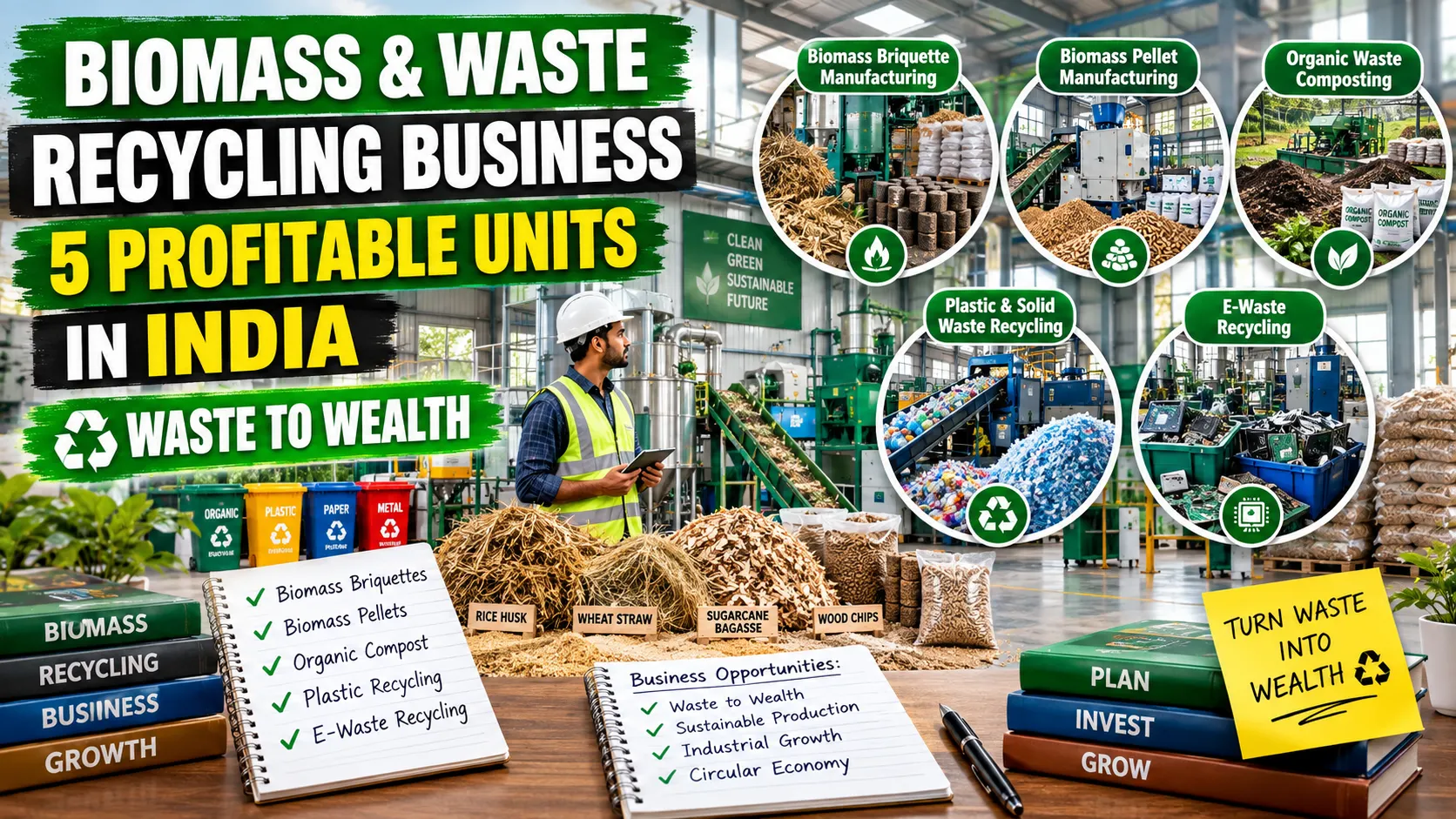
While plastics and chemicals dominate hazardous waste discussions, organic waste from hospitals (like food leftovers) and cities (like kitchen waste) also poses a disposal challenge. Biogas plants offer an eco-friendly solution by converting biodegradable matter into methane and nutrient-rich slurry. This methane can be used as a renewable energy source, while the slurry serves as organic fertilizer. Integrated into municipal systems, biogas plants reduce landfill pressure and contribute to a circular economy. When paired with proper waste segregation at the source, they greatly enhance the sustainability of medical plastic and municipal wastes management systems.
Read More :cold chain systems
Conclusion
Effective medical plastic and municipal wastes management is a multidimensional effort that integrates technology, regulation, and public awareness. From rotary kilns and hydroclaves for hazardous materials to biogas plants for organic waste, each solution plays a unique role in creating a safer and cleaner environment. Moreover, the proper handling of formaldehyde, solvents, and heavy metals ensures that toxic substances do not threaten ecosystems or public health. As waste volumes continue to rise, the future of sustainable waste management lies in adopting advanced, emission-controlled systems combined with rigorous waste segregation and recycling. With thoughtful planning and innovation, we can turn waste into a resource while safeguarding both people and the planet.