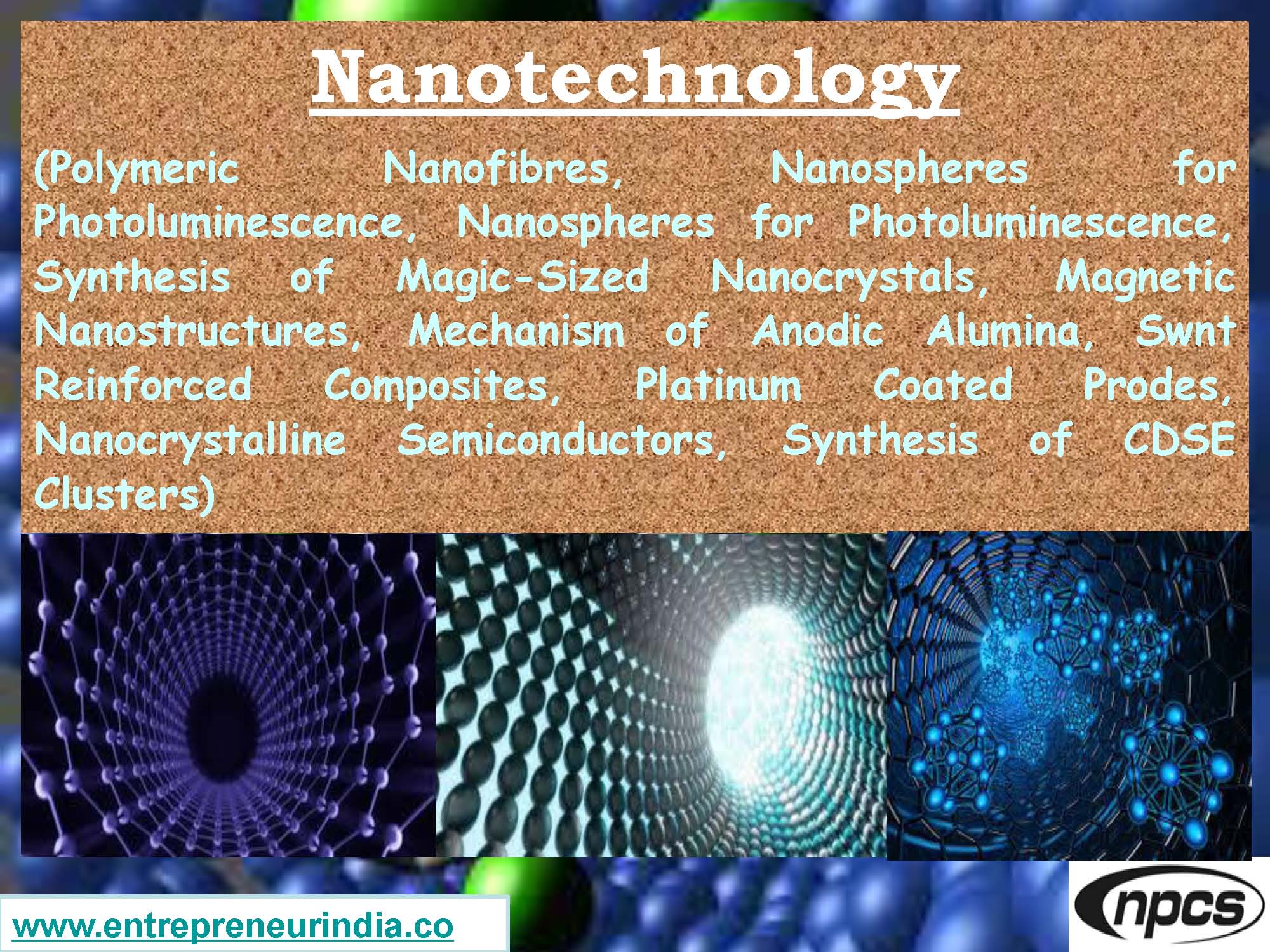
In recent years, nanotechnology polymeric nanofibres have revolutionized materials science by introducing new possibilities in biomedical, optical, and electronic fields. These nanoscale fibers and spheres offer exceptional surface-area-to-volume ratios, tunable properties, and high flexibility. Moreover, their applications in photoluminescence, magnetic systems, and smart drug delivery have opened new frontiers for researchers and industry alike. As a result, there is growing interest in understanding their fabrication methods, structural mechanisms, and integration with nanoscale architectures such as anodic alumina and magic-sized Nanotech Focus. This article delves into the cutting-edge technologies driving this fascinating area of modern science.
Breakthrough Applications of Nanotechnology Polymeric Nanofibres and Nanostructures
Nanotechnology has expanded the scope of materials engineering by introducing functional nanostructures with unique electrical, magnetic, and optical properties. Among them, nanotechnology polymeric nanofibres and nanospheres stand out for their versatility and potential across multiple domains.
Read More :oil processing
Polymeric Nanofibres and Nanospheres in Photoluminescence
Polymeric Nanotech Focus and nanospheres have found significant use in photoluminescence applications, particularly in bioimaging, sensors, and display technologies. These structures are typically created using electrospinning or emulsion-based methods. When doped with photoluminescent compounds, they can emit light upon excitation—making them ideal for fluorescent tagging or light-emitting devices. Moreover, the polymer matrix can be customized to control luminescence intensity and stability. These properties make nanotechnology polymeric nanofibres invaluable in optical data storage and real-time imaging for disease detection. Additionally, combining polymers with quantum dots or rare-earth ions enhances emission lifetimes and wavelength selectivity.
Synthesis of Magic-Sized Nanocrystals
A fascinating development in nanoscience is the creation of magic-sized nanocrystals (MSNCs)—tiny particles with precise atom counts and stable emission properties. Unlike typical quantum dots, MSNCs exhibit sharp spectral features due to their exact atomic configuration. Their controlled synthesis involves high-temperature organometallic reactions or aqueous phase routes using surface ligands to stabilize growth. These nanocrystals are essential for optoelectronic applications such as LEDs, solar cells, and lasers. When integrated with nanotechnology polymeric nanofibres, MSNCs can be uniformly dispersed, improving performance in hybrid materials. Furthermore, their narrow emission bands make them suitable for high-definition imaging and targeted therapy.
Magnetic Nanostructures: Design and Utility
Magnetic nanostructures—such as iron oxide or cobalt-based nanoparticles—are another vital innovation. These particles demonstrate superparamagnetism, allowing them to respond to external magnetic fields without retaining residual magnetism. Applications range from magnetic resonance imaging (MRI) contrast agents to hyperthermia-based cancer therapy and smart drug delivery systems. Researchers often embed these particles into polymeric nanofibres to develop magneto-responsive textiles and bioscaffolds. Moreover, surface functionalization improves their biocompatibility and specificity. In industrial domains, they assist in data storage, catalysis, and environmental remediation by enabling remote control and targeted localization.
Mechanism of Anodic Alumina in Nanotechnology
Anodic alumina membranes (AAMs) are highly ordered, porous materials created through electrochemical anodization of aluminum in acidic electrolytes. The mechanism of anodic alumina formation involves a balance between oxide growth and dissolution, resulting in uniform nanopores. These structures act as templates for synthesizing aligned nanowires, nanotubes, and nanofibres. When combined with nanotechnology polymeric nanofibres, anodic alumina enhances mechanical strength and alignment in composite materials. Additionally, AAMs support high-throughput fabrication of nanodevices by providing structural control at the atomic level. Their applications span from biosensors and filtration systems to nanoelectronics and photovoltaics.
See Also : Aluminium Downstream Projects
Conclusion
The field of Nanotech Focus polymeric nanofibres continues to evolve, offering limitless possibilities for innovation in materials science and applied technology. From controlling light through photoluminescent nanospheres to achieving atomic precision with magic-sized nanocrystals, the advances are both impactful and scalable. Moreover, the integration of magnetic nanostructures and anodic alumina frameworks expands the functional landscape of nanocomposites. As synthesis techniques become more refined and interdisciplinary research grows, these nanoscale innovations will likely shape the next generation of biomedical, optical, and electronic solutions. Investing in this domain now offers not just scientific breakthroughs, but also industrial transformation for the future.