The pulp and paper industry plays a critical role in modern society by producing paper for printing, packaging, hygiene, and more. However, this industry also faces growing pressure to reduce its environmental footprint. Two essential processes—bleaching & recycling—are central to enhancing the sustainability of paper production. Bleaching is used to whiten pulp and improve paper quality, while recycling involves reprocessing used paper to conserve raw materials and minimize waste. Understanding the technologies, chemistry, and challenges involved in bleaching & recycling is vital for appreciating how the pulp industry is evolving to meet both consumer demands and environmental responsibilities.
Contents
The Role of Bleaching in Paper Making
Bleaching is a chemical process that removes color from pulp to produce bright white paper. While mechanical pulps retain much of the lignin (a component that causes yellowing), chemical pulps—such as kraft pulp—are often bleached to achieve high brightness and strength. Bleaching does not merely whiten the pulp; it also enhances the cleanliness and uniformity of the final product.
Traditionally, chlorine-based compounds were widely used in bleaching, but these methods released harmful dioxins and chlorinated organics into the environment. In response, the industry has shifted toward more eco-friendly alternatives such as elemental chlorine-free (ECF) and totally chlorine-free (TCF) bleaching. These methods use oxygen, ozone, hydrogen peroxide, and chlorine dioxide, significantly reducing the environmental impact.
The bleaching process typically involves multiple stages. The pulp is treated in a sequence of steps where different chemicals are applied under controlled temperature and pH conditions. For example, oxygen delignification removes residual lignin, followed by stages of peroxide or ozone bleaching. The result is pulp with improved brightness, fewer impurities, and better mechanical properties.
Apart from environmental considerations, bleaching is also driven by market needs. White paper is widely preferred for printing, books, tissues, and packaging. Manufacturers must balance cost, environmental regulations, and customer expectations when selecting bleaching techniques.
See Also: Bakery Manufacturing Process
The Recycling Process in Paper Manufacturing
Paper recycling begins with the collection of used paper from households, offices, and industries. This paper is then sorted based on quality, ink content, coatings, and fiber strength. The sorted paper is transported to recycling mills where it undergoes re-pulping—mixing with water and mechanical agitation to break it down into individual fibers.
One of the most important steps in the recycling process is deinking. During deinking, the pulp is treated with surfactants and air bubbles to lift ink particles from the fiber surfaces. The ink floats to the surface and is skimmed off or removed using screens and washers. There are two main deinking methods: flotation and washing. Flotation is ideal for removing fine ink particles, while washing works well for removing large contaminants.
The recycled pulp may still be dull or grayish, depending on the ink and additives in the original paper. To improve brightness, recycled fibers often undergo mild bleaching. However, this is typically less intensive than the bleaching of virgin pulp. Eco-friendly agents like hydrogen peroxide or enzymes are used, ensuring minimal chemical exposure and lower energy consumption.
Recycled paper is used to make a wide variety of products including newsprint, tissue paper, corrugated boxes, and molded fiber packaging. Some high-quality applications such as writing or printing papers may still require a blend of virgin and recycled fibers for optimal performance.
There are several benefits of bleaching & recycling in the paper industry. Recycling conserves natural resources, reduces energy use, and limits landfill accumulation. According to estimates, recycling one ton of paper saves approximately 17 trees, 7,000 gallons of water, and 4,000 kWh of electricity. Additionally, recycled fibers produce fewer greenhouse gases than freshly pulped wood.
Environmental and Economic Impact of Bleaching & Recycling
As global demand for paper continues to rise—especially with the e-commerce and packaging boom—bleaching & recycling practices have taken center stage in environmental discussions. Stringent regulations such as the EU’s Integrated Pollution Prevention and Control (IPPC) directive or the U.S. Environmental Protection Agency’s cluster rule mandate mills to reduce emissions from bleaching and promote fiber reuse.
On the economic side, bleaching and recycling can both raise and lower production costs. While recycled fibers are cheaper than virgin fibers, cleaning and deinking processes require energy and capital investments. Bleaching adds to operational expenses but also increases product value. Therefore, mill operators must optimize the entire supply chain—from raw material procurement to chemical use—to remain competitive.
Innovations in biotechnology offer promising solutions. Enzymes such as xylanases and laccases are being used to partially replace harsh bleaching agents. These enzymes selectively break down lignin and hemicellulose without damaging cellulose fibers. Biobleaching reduces chemical usage, enhances brightness, and lowers costs in the long run.
Another exciting development is the use of nanotechnology. Nanocellulose, derived from recycled pulp, can reinforce weak fibers and improve paper strength. Additionally, researchers are exploring the use of nanomaterials in advanced filtration systems to recover chemicals from bleaching effluents.
From a social perspective, bleaching & recycling also influence consumer behavior. Many individuals and organizations now prefer products made from recycled paper or paper labeled as TCF or ECF bleached. Eco-certifications such as FSC (Forest Stewardship Council) or PEFC (Programme for the Endorsement of Forest Certification) guide ethical consumption and help build brand credibility.
Future Trends and Industry Outlook
The future of the pulp and paper industry lies in circular economy models where waste is minimized, resources are reused, and emissions are reduced. Bleaching & recycling are no longer just process choices—they are strategic imperatives that define sustainability credentials.
Emerging trends include decentralized recycling units in urban areas, the integration of renewable energy in bleaching operations, and the increased use of AI for quality control. Countries like Sweden, Japan, and Germany have already achieved high recycling rates and are setting benchmarks for global best practices.
In India, the paper recycling rate has seen steady growth, thanks to increased awareness and improved waste segregation. However, infrastructure gaps and informal sector dynamics still hinder full-scale adoption. Continued investments in R&D, policy support, and public-private collaboration are crucial for scaling up recycling and green bleaching techniques.
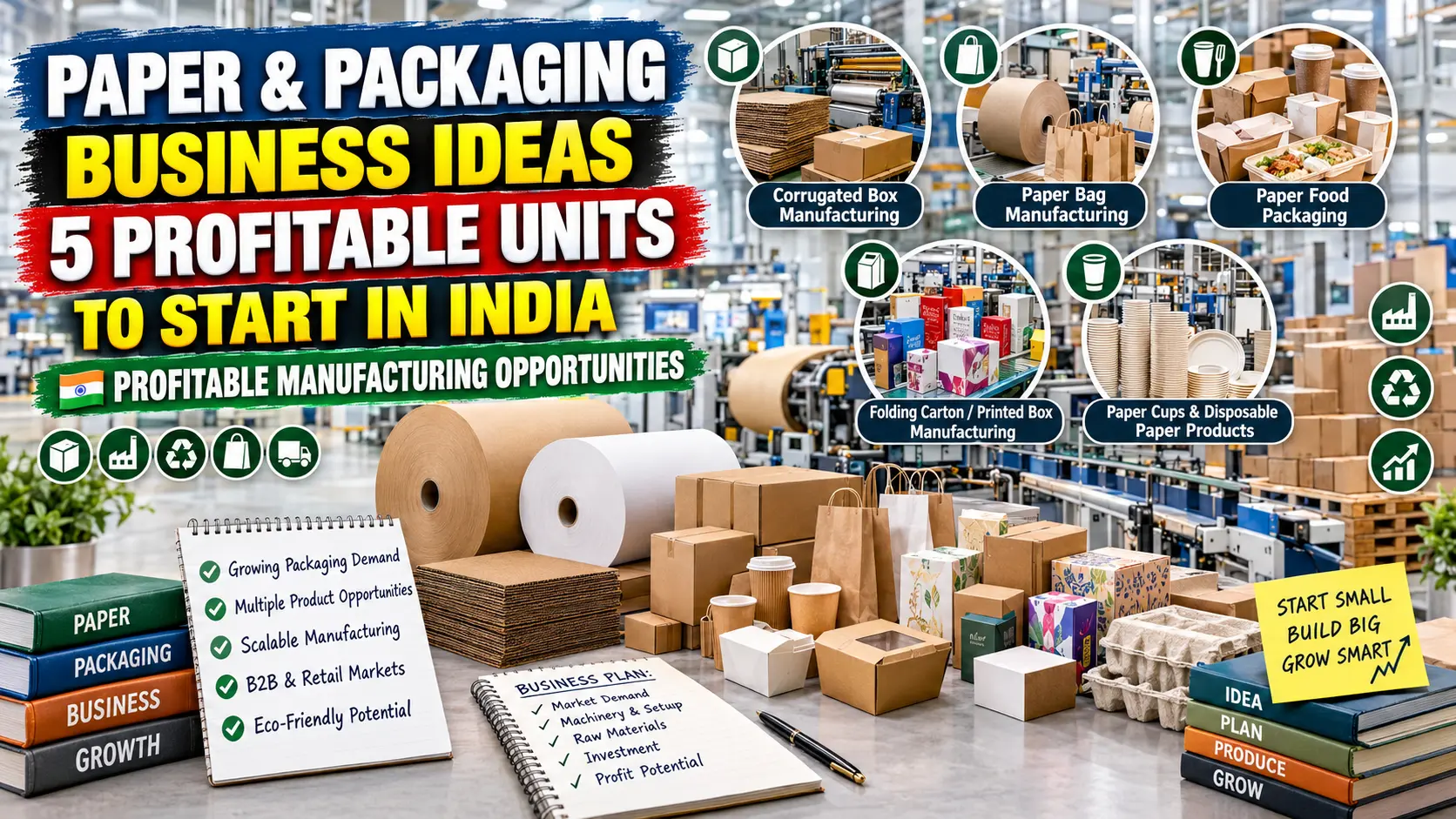
With global pressure mounting against single-use plastics, paper—especially recycled paper—has gained popularity as an alternative. Packaging, disposable tableware, and hygiene products are now being designed with both recycled and bleach-processed fibers in mind.
See Also: Banana Leaf Plate Manufacturing
Conclusion
Bleaching & recycling in the paper industry are twin pillars of innovation and sustainability. While bleaching ensures the aesthetic and functional quality of paper, recycling helps conserve resources and reduce environmental harm. Together, these processes represent the industry’s commitment to cleaner production, circular economies, and responsible consumption.
As technology advances and awareness grows, bleaching & recycling will continue to evolve—bridging the gap between industrial efficiency and ecological harmony. For producers, consumers, and policymakers alike, embracing these processes is key to shaping a greener paper future.