What is Silica from Rice Husk Ash?
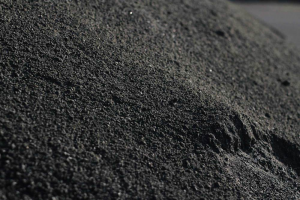
Silica from rice husk ash refers to high-purity amorphous silica extracted through thermal treatment and chemical processing of rice husk ash. Unlike crystalline silica, this variant is non-toxic and highly reactive, making it ideal for applications in high-tech and industrial sectors. It can be processed into:
Precipitated silica
Activated silica
Nano-silica
Silica gel
Each variant has distinct applications and market demand.
Read Similar Articles: Rice Husk Based Projects
Industrial Applications of Silica
Silica has versatile industrial uses, such as:
Rubber and Tyre Industry – As a reinforcing agent
Paints and Coatings – Enhances durability and finish
Adhesives and Sealants – Improves bonding strength
Construction Chemicals – Used in concrete and high-performance cements
Electronics and Semiconductors – For insulation and chip manufacturing
Cosmetics – Used in exfoliants and creams
Agriculture – As a biofertilizer additive
These diverse applications ensure consistent market demand for processed silica.
Raw Materials and Their Availability
The primary raw material is rice husk ash, obtained from rice mills and biomass power plants that burn rice husk as fuel. Additional chemicals and materials required include:
Hydrochloric acid or sulfuric acid (for silica extraction)
Distilled water
Anti-foaming agents
Filtration aids
India, being one of the top producers of rice, provides a steady and cheap supply of rice husk ash—making raw material procurement highly feasible.
Manufacturing Process of Silica from Rice Husk Ash
The silica extraction process from RHA involves several chemical and thermal steps:
Collection and Screening – Rice husk ash is collected and filtered to remove large particles.
Acid Leaching – The ash is treated with acid to remove metallic impurities.
Washing – The leached ash is thoroughly washed to remove residual acid.
Precipitation – The ash is treated with alkali to convert it into soluble silicate, which is then precipitated.
Drying and Calcination – The silica gel formed is dried and calcined to achieve the desired grade and purity.
Grinding and Packaging – Final silica powder is ground to a fine consistency and packed for sale.
This process requires technical know-how but ensures high-purity output.
Related Feasibility Study Reports: Silica From Rice Husk Ash – Manufacturing Plant
Machinery and Equipment Needed
To set up a silica manufacturing unit, you’ll need:
Ash storage and feeding system
Acid and alkali reactors
Filtration and neutralization tanks
Dryers and calcination kilns
Silica grinding mills
Pollution control systems
Quality testing laboratory
A semi-automated setup improves production efficiency and consistency in product quality.
Infrastructure and Space Requirements
You’ll need approximately 10,000 to 15,000 sq. ft. of industrial space for a small to medium-scale plant. The layout should include:
Raw material storage
Chemical reaction chambers
Filtration and drying zones
Packaging unit
Wastewater treatment area
Administrative block
The facility must comply with environmental norms and maintain proper ventilation and worker safety measures.
Read our Books Here: Rice Cultivation and Processing Industry
Licensing and Regulatory Approvals
Being a chemical manufacturing process, several licenses are required:
MSME/Udyam Registration
Factory License
NOC from the State Pollution Control Board
Chemical storage and handling license
Fire and Safety NOC
Hazardous Waste Disposal Permit (if applicable)
Ensure all approvals are obtained before commencing commercial operations to avoid penalties and delays.
Investment and Financial Insights
A silica manufacturing plant using rice husk ash can be set up with an investment of ?1.5 to ?3 crore depending on the scale. Key capital requirements include:
Machinery and plant setup
Working capital for chemicals and wages
Utilities like water, power, and fuel
Quality control and lab setup
Profit margins range from 20% to 35%, and the return on investment can be expected in 2–3 years if raw material access and market linkages are strong.
Environmental Benefits
This business is not just profitable—it’s also environmentally beneficial. Converting rice husk ash, which is often discarded or burned in open fields, into silica:
Reduces air pollution
Decreases landfilling and waste dumping
Promotes zero-waste circular economy
Cuts down on the use of mining-derived silica
Aligns with global green manufacturing practices
This gives your business an edge in sustainability and brand value.
Market Scope and Target Clients
Your primary buyers would be:
Rubber and tyre manufacturers
Paint and coating companies
Construction chemical brands
Agricultural input suppliers
Pharmaceutical and cosmetic product manufacturers
List your business on platforms like IndiaMART, TradeIndia, and Alibaba. Also, consider forming partnerships with rice mills or biomass power plants for steady RHA supply and vertical integration.
Challenges and How to Overcome Them
Challenges:
Managing acid-based chemical processes
Ensuring consistent quality of RHA
Meeting safety and compliance standards
Setting up reliable distribution networks
Solutions:
Train staff thoroughly in chemical handling
Source ash from reliable and standardized mills
Invest in quality control at every stage
Market your silica as eco-friendly to attract global buyers
Future Growth and Innovation Potential
The demand for silica from rice husk ash is set to grow as industries shift toward green materials. Innovations in nano-silica production, biodegradable packaging materials, and biofertilizer blends using silica open up new market avenues. Governments and international agencies are also supporting waste-to-wealth projects, making it easier to receive grants or subsidies.
Thoughts
Starting a manufacturing business of silica from rice husk ash is a win-win—converting agricultural waste into a high-value industrial product. With relatively low raw material cost, strong demand across sectors, and increasing environmental awareness, this business offers excellent returns and long-term scalability. If you are an entrepreneur looking for a sustainable and profitable venture, silica production from rice husk ash should be on your radar.
Visit this Page for More Information: Start a Business in Rice Husk Based Products Industry
Ending Note:
There are many uses and applications for silica, including the production of paper, glass, water filtration, paint pigment, ceramics, dyes, and pigments. As was already established, silica is extremely porous, has a large specific surface area, and a peculiar purity.
Frequently Asked Questions (FAQs)
FAQ 1: What is silica from rice husk ash and why is it valuable?
Silica from rice husk ash refers to high-purity amorphous silica extracted through thermal treatment and chemical processing of rice husk ash. Unlike crystalline silica, this variant is non-toxic and highly reactive, making it ideal for various industrial applications.
Key Products:
- Precipitated silica
- Activated silica
- Nano-silica
- Silica gel
Value Drivers:
- Growing demand across rubber, paints, electronics, and cosmetics sectors
- Eco-friendly alternative to mining-derived silica
- Converts agricultural waste into high-value industrial products
- Consistent market demand across multiple industries
The diverse applications and growing sustainability focus make silica from rice husk ash a highly valuable industrial product.
FAQ 2: What are the industrial applications of silica from rice husk ash?
Silica from rice husk ash has versatile industrial applications:
| Industry | Application |
|---|---|
| Rubber and Tyre Industry | As a reinforcing agent, improves durability and performance |
| Paints and Coatings | Enhances durability, finish, and weather resistance |
| Adhesives and Sealants | Improves bonding strength and stability |
| Construction Chemicals | Used in concrete and high-performance cements |
| Electronics and Semiconductors | For insulation and chip manufacturing |
| Cosmetics | Used in exfoliants, creams, and personal care products |
| Agriculture | As a biofertilizer additive and soil conditioner |
| Paper and Glass | Used in paper production, water filtration, and ceramics |
These diverse applications ensure consistent market demand for processed silica.
FAQ 3: What are the raw materials required for silica manufacturing?
The primary raw material for silica manufacturing is rice husk ash, obtained from rice mills and biomass power plants that burn rice husk as fuel.
Additional Materials Required:
| Material | Purpose |
|---|---|
| Hydrochloric Acid or Sulfuric Acid | For silica extraction (acid leaching) |
| Distilled Water | For washing and processing |
| Anti-foaming Agents | To control foam during chemical reactions |
| Filtration Aids | For purification and separation |
| Alkali (for precipitation) | To convert ash into soluble silicate |
India, being one of the top producers of rice, provides a steady and cheap supply of rice husk ash—making raw material procurement highly feasible and cost-effective.
FAQ 4: What is the manufacturing process for silica from rice husk ash?
The silica extraction process from rice husk ash involves several chemical and thermal steps:
| Step | Description |
|---|---|
| Collection and Screening | Rice husk ash is collected and filtered to remove large particles |
| Acid Leaching | The ash is treated with acid to remove metallic impurities |
| Washing | The leached ash is thoroughly washed to remove residual acid |
| Precipitation | The ash is treated with alkali to convert it into soluble silicate, which is then precipitated |
| Drying and Calcination | The silica gel formed is dried and calcined to achieve desired grade and purity |
| Grinding and Packaging | Final silica powder is ground to fine consistency and packed for sale |
This process requires technical know-how but ensures high-purity output suitable for various industrial applications.
FAQ 5: What machinery and equipment are needed for a silica manufacturing plant?
To set up a silica manufacturing unit, you will need the following equipment:
| Equipment | Purpose |
|---|---|
| Ash Storage and Feeding System | Storing and feeding rice husk ash to the process |
| Acid and Alkali Reactors | For chemical reactions and processing |
| Filtration and Neutralization Tanks | For separating solids and neutralizing chemicals |
| Dryers and Calcination Kilns | For drying and heat treatment |
| Silica Grinding Mills | For grinding silica to fine powder |
| Pollution Control Systems | For environmental compliance |
| Quality Testing Laboratory | For quality control and testing |
A semi-automated setup improves production efficiency and consistency in product quality.
FAQ 6: What infrastructure and space are required for silica production?
A small to medium-scale silica plant requires approximately 10,000 to 15,000 sq. ft. of industrial space. The layout should include:
| Area | Purpose |
|---|---|
| Raw Material Storage | For storing rice husk ash and chemicals |
| Chemical Reaction Chambers | For acid leaching and precipitation |
| Filtration and Drying Zones | For separating and drying silica |
| Packaging Unit | For final packing of silica powder |
| Wastewater Treatment Area | For treating effluent before discharge |
| Administrative Block | For office work and management |
The facility must comply with environmental norms and maintain proper ventilation and worker safety measures.
FAQ 7: What licenses and regulatory approvals are required?
As a chemical manufacturing business, several licenses are required:
| License/Approval | Purpose |
|---|---|
| MSME/Udyam Registration | Access to subsidies and government benefits |
| Factory License | Compliance with factory regulations |
| NOC from State Pollution Control Board | Environmental clearance |
| Chemical Storage and Handling License | For storing chemicals safely |
| Fire and Safety NOC | For fire safety compliance |
| Hazardous Waste Disposal Permit | For safe disposal of chemical waste |
| GST Registration | Tax compliance |
Ensure all approvals are obtained before commencing commercial operations to avoid penalties and delays.
FAQ 8: What is the investment required for a silica manufacturing plant?
A silica manufacturing plant using rice husk ash can be set up with an investment of ₹1.5 to ₹3 crore, depending on the scale.
Key Capital Requirements:
| Cost Component | Estimated Range |
|---|---|
| Machinery and Plant Setup | ₹80 lakhs – ₹1.5 crore |
| Working Capital (Chemicals, Wages) | ₹30 – ₹50 lakhs |
| Utilities (Water, Power, Fuel) | ₹20 – ₹30 lakhs |
| Quality Control and Lab Setup | ₹10 – ₹20 lakhs |
| Licensing and Compliance | ₹5 – ₹10 lakhs |
| Land and Infrastructure | ₹20 – ₹40 lakhs |
Smaller setups focusing on specific silica grades can start with lower investments and scale gradually.
FAQ 9: How profitable is the silica from rice husk ash business?
The silica manufacturing business offers excellent profit potential:
| Financial Metric | Value |
|---|---|
| Gross Profit Margins | 20% – 35% |
| Break-even Period | 2 – 3 years |
| Return on Investment | Attractive due to low raw material costs |
| Demand Growth | Consistent across multiple industries |
Key Profitability Drivers:
- Low-cost raw material (rice husk ash)
- Strong demand across rubber, paints, electronics, and cosmetics
- Eco-friendly positioning attracts premium pricing
- Export opportunities to international markets
With efficient operations and strong market linkages, this business offers sustainable long-term returns.
FAQ 10: What are the environmental benefits of silica from rice husk ash?
This business is not just profitable—it’s also environmentally beneficial:
| Benefit | Impact |
|---|---|
| Reduces Air Pollution | Prevents open burning of rice husk |
| Decreases Landfilling | Converts waste into valuable product |
| Promotes Circular Economy | Zero-waste approach to agricultural byproducts |
| Reduces Mining | Cuts down on use of mining-derived silica |
| Aligns with Green Manufacturing | Supports global sustainability goals |
This environmental edge enhances brand value and can attract eco-conscious buyers and government incentives.
FAQ 11: Who are the target customers for silica products?
Your primary buyers would be:
| Customer Segment | Examples |
|---|---|
| Rubber and Tyre Manufacturers | Major tyre companies and rubber product makers |
| Paint and Coating Companies | Industrial and decorative paint brands |
| Construction Chemical Brands | Adhesive, sealant, and concrete admixture producers |
| Agricultural Input Suppliers | Biofertilizer and soil conditioner manufacturers |
| Pharmaceutical and Cosmetic Companies | Personal care and healthcare product makers |
| Electronics Manufacturers | Semiconductor and insulation component producers |
List your business on platforms like IndiaMART, TradeIndia, and Alibaba for wider market reach.
FAQ 12: What are the challenges in silica manufacturing and how can they be overcome?
| Challenge | Solution |
|---|---|
| Managing Acid-Based Chemical Processes | Train staff thoroughly in chemical handling and safety |
| Ensuring Consistent Quality of RHA | Source ash from reliable and standardized mills |
| Meeting Safety and Compliance Standards | Invest in proper safety equipment and regular audits |
| Setting Up Distribution Networks | Build partnerships with rubber, paint, and construction companies |
| High Energy Consumption | Invest in energy-efficient equipment and heat recovery systems |
| Competition from Established Players | Focus on eco-friendly branding and premium quality |
Regular quality testing, continuous training, and strong market linkages can help overcome these challenges.
FAQ 13: What is the future growth potential of this industry?
The demand for silica from rice husk ash is set to grow significantly:
| Growth Driver | Opportunity |
|---|---|
| Shift Toward Green Materials | Industries seeking sustainable alternatives |
| Innovations in Nano-Silica | New applications in high-tech sectors |
| Biodegradable Packaging Materials | Emerging market for silica-based solutions |
| Biofertilizer Blends | Agricultural applications expanding |
| Government Support | Waste-to-wealth projects receiving grants and subsidies |
| Global Market Expansion | Export opportunities to developed countries |
With increasing environmental awareness and technological advancements, the future looks bright for this industry.
FAQ 14: Can I export silica from rice husk ash from India?
Yes, India has significant export potential for silica from rice husk ash:
| Target Market | Opportunity |
|---|---|
| Developed Countries (USA, Europe, Japan) | High demand for eco-friendly and sustainable products |
| Southeast Asia | Growing rubber and electronics industries |
| Middle East | Construction and infrastructure development |
| Africa | Emerging industrial markets |
To export, you will need:
- Import Export Code (IEC) from DGFT
- Compliance with international quality standards
- Certifications like ISO, and specific requirements from importing countries
Export markets offer premium pricing and higher profit margins.
FAQ 15: Why should I invest in silica from rice husk ash manufacturing?
Investing in silica from rice husk ash manufacturing offers multiple advantages:
| Reason | Benefit |
|---|---|
| Low Raw Material Cost | Rice husk ash is available cheaply in India |
| Strong Demand | Multiple industries depend on silica |
| Eco-Friendly Business | Converts waste into high-value products |
| Government Support | Eligible for subsidies and grants |
| Scalable Operations | Can start small and expand |
| Export Opportunities | Access to premium international markets |
| Good Profit Margins | 20–35% gross margins |
| Social Impact | Creates jobs and reduces pollution |
This business truly represents a win-win—turning agricultural waste into industrial gold while contributing to environmental sustainability and economic growth.
Ready to Turn Agricultural Waste into Industrial Gold?
The silica from rice husk ash manufacturing business offers a unique opportunity to build a profitable venture while contributing to environmental sustainability. With abundant raw material availability, strong industrial demand, and government support for waste-to-wealth projects, there has never been a better time to enter this growing market.
Contact NIIR Project Consultancy Services if you’re seeking a business opportunity to produce silica from rice husk ash. In the realm of business, NPCS has made a name for itself as a reliable source of integrated technical consulting services. Planners, engineers, specialists, experts, financial experts, designers, and economists with in-depth knowledge of the sector administer NPCS.
Click here to send your queries/Contact Us
Reasons for Buying NIIR Report:
- Our research report helps you get a detailed picture of the industry by providing an overview of the industry along with the market structure and classification.
- Our report provides market analysis covering major growth driving factors for the industry, the latest market trends and the regulatory framework of the industry.
- Our Report provides an analysis and in-depth financial comparison of major Players / Competitors.
- Our Report provides indispensable buyers data with their company financials as well as the contact details, which can be an important tool in identifying the target customers.
- Our report provides forecasts of key parameters which help to anticipate the industry performance.
- We use reliable sources of information and databases.
See More Links:
- Start a Business in Asia
- Start a Business in Potential Countries for Doing Business
- Best Industry for Doing Business
- Business Ideas with Low, Medium & High Investment
- Looking for Most Demandable Business Ideas for Startups
- Startup Consulting Services
- Start a Business in Africa
- Start a Business in India
- Start a Business in Middle East