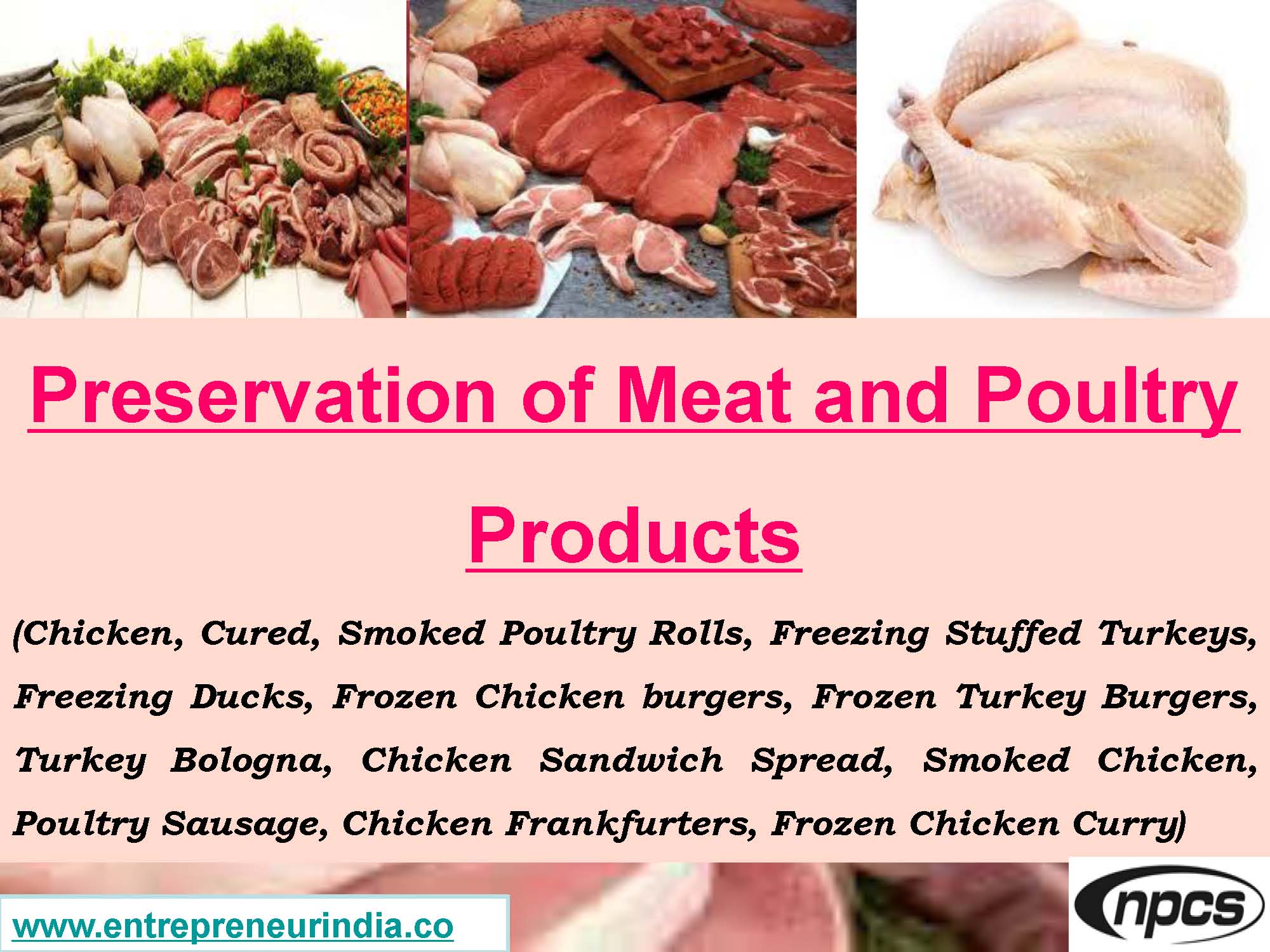
Preserving meat and poultry is essential to maintain food safety, flavor, and nutritional value. As global demand for protein rises, the food industry increasingly relies on advanced preservation methods such as freezing, curing, and smoking. These techniques help extend shelf life, reduce waste, and ensure year-round availability. Moreover, consumers today seek convenience without compromising on taste and texture. With innovations in cold storage, vacuum sealing, and flavor-enhancing technologies, preserved meat products are becoming more diverse and appealing. Understanding how frozen and smoked preservation works provides key insights into maintaining quality across the meat supply chain—from farms to retail shelves.
Read More :Agriculture & Food
Modern Methods for Preserving Meat and Poultry
Preserving meat and poultry involves several time-tested and technologically advanced methods designed to retain freshness, inhibit spoilage, and ensure food safety. These techniques—especially freezing and smoking—help stabilize products during transport and storage, which is crucial for domestic and export markets. Moreover, proper preservation reduces microbial risks and extends usability without heavy reliance on synthetic preservatives. By combining tradition with innovation, processors can meet consumer expectations for quality and variety.
Freezing and Cold Chain Logistics
Freezing is the most widely used preservation method for meat and poultry, as it locks in nutrients and prevents bacterial growth. Blast freezers and IQF (Individually Quick Frozen) systems rapidly lower the temperature to avoid ice crystal formation that damages texture. Maintaining an unbroken cold chain—from processing plants to retail freezers—is essential to preserve safety and quality. Moreover, vacuum-sealed packaging helps prevent freezer burn and cross-contamination. Frozen products such as chicken breasts, sausages, and kebabs enjoy year-round market demand thanks to their long shelf life and ease of preparation.
Smoking and Curing Techniques
Smoking not only enhances flavor but also acts as a natural preservative by reducing moisture and inhibiting bacteria. Traditional methods involve slow-smoking over hardwoods, while modern processors use controlled smokehouses for consistency and hygiene. Curing—using salt, nitrates, or sugar—complements smoking and is especially common in deli meats, bacon, and sausages. These meat and poultry products are prized for their rich taste and extended shelf life. Moreover, smoked and cured items are increasingly popular in gourmet and ready-to-eat categories, driving demand for artisanal and premium offerings.
Quality Control and Regulatory Compliance
Preserving meat and poultry requires strict adherence to food safety standards and regulatory guidelines. HACCP protocols, temperature logs, microbial testing, and traceability systems are essential at every stage—from slaughterhouses to packaging lines. Moreover, certifications like FSSAI, ISO 22000, and USDA approval help build consumer trust, especially for export-focused businesses. Quality control not only protects public health but also reduces product recalls and strengthens brand reputation. With growing consumer awareness, transparent labeling and clean processing practices are more important than ever.
See Also : Beverage & Food
Final Thoughts on Preserving Meat and Poultry
In conclusion, preserving meat and poultry through methods like freezing and smoking ensures that products remain safe, flavorful, and accessible across regions and seasons. Moreover, as global consumption continues to grow, the importance of effective preservation only intensifies. By investing in cold chain infrastructure, modern smoking technologies, and robust quality systems, businesses can meet demand while maintaining compliance and customer satisfaction. The future of meat processing lies in balancing safety, taste, and sustainability.